What Actually Happens When You Call a Rehab Hotline? A Step-by-Step Breakdown
Calling a rehab hotline is one of the most effective first steps in getting into treatment. It is also one that many people delay because they do not know what to expect. Here is exactly what happens — so the call feels less like a leap into the unknown.
Who Picks Up
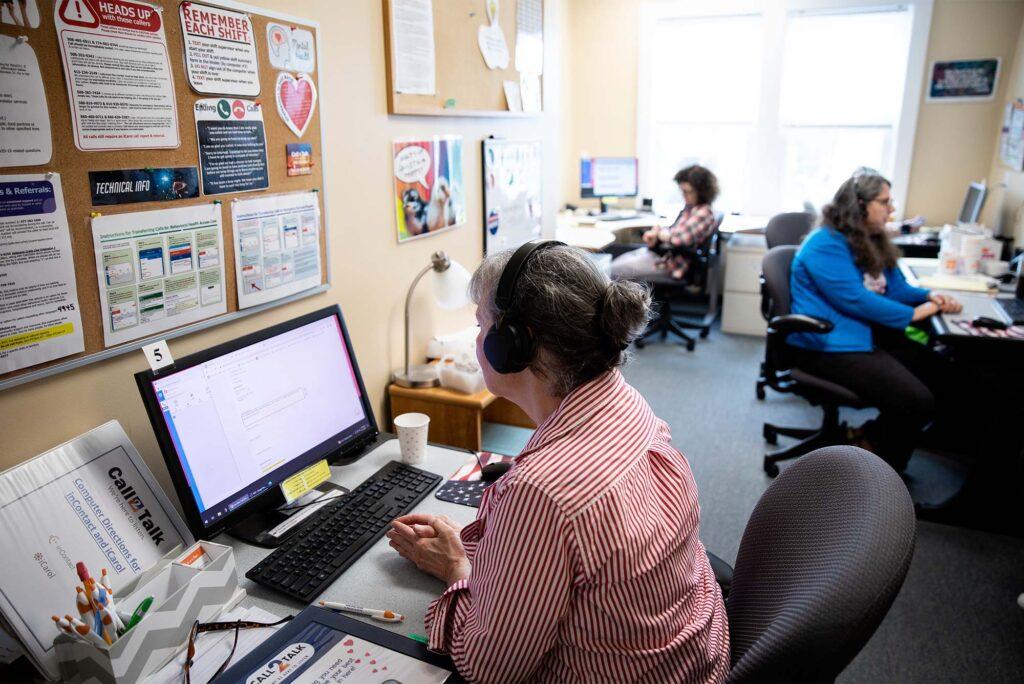
Most addiction hotlines are staffed by trained counselors — typically people with backgrounds in social work, counseling, or peer recovery support. Many are themselves in recovery. This is not a sales call center. The person on the other end is there to listen, assess, and help identify options. The SAMHSA National Helpline is government-operated, completely free, and has no commercial interest in directing you to any particular program.
The First Few Minutes
The conversation typically starts with a basic check-in: how are you doing, what prompted the call, where are you located? This is an effort to understand urgency and context. You will not be asked for your name if you do not want to give it. Most hotlines are confidential, and some are anonymous.
The Assessment
After the initial check-in, the counselor will typically conduct an informal assessment: what substance or substances are involved, how long use has been going on, whether there is physical dependence, whether there are co-occurring mental health concerns, what your insurance or payment situation looks like, and what your support network and living situation are.
Treatment Solutions’ rehab hotline connects callers with specialists who walk through this process and help identify the right next step, whether that is one of their programs or a referral elsewhere.
What You Will Receive
After the assessment, a counselor will typically provide specific program recommendations with contact information, help with insurance verification, information about financial assistance or state-funded options, immediate crisis resources if the situation is urgent, or support in scheduling a first appointment. Some hotlines can initiate the intake process directly.
Frequently Asked Questions
Will the hotline call the police or contact my family?
No — not unless you explicitly state that you intend to harm yourself or someone else. Standard hotline protocols are confidential. The purpose is to help you, not to report you.
What if I am not ready to go to treatment — can I still call?
Absolutely. Many people call while still ambivalent. A good counselor will not pressure you. They will provide information, answer questions, and leave the door open.
How is a rehab hotline different from a crisis line?
A crisis line (like 988) is designed for immediate mental health emergencies. A rehab hotline is focused on treatment navigation and placement. Both are valuable for different situations.
The Call Is Easier Than You Think
Most people who call a rehab hotline report the experience felt much less daunting than anticipated. The person on the other end is not there to judge the situation — they are there to help navigate it. Five minutes on the phone can open a path that weeks of searching online will not.