Understanding Advanced Pipe Cleaning Methods for Better Drainage Performance and Reliable Plumbing Maintenance
Maintaining a properly functioning drainage system is essential for the comfort, hygiene, and efficiency of any property. Pipes are responsible for carrying wastewater away from sinks, bathrooms, kitchens, commercial facilities, and other areas where water is regularly used. Although plumbing systems are designed for continuous operation, they can gradually develop problems because grease, sludge, dirt, mineral deposits, food particles, soap residue, and other materials collect inside the pipes. When this buildup becomes significant, water may drain slowly, unpleasant odors can develop, and repeated blockages may occur. In more serious cases, a restricted drainage line can lead to overflowing fixtures, wastewater backups, or expensive emergency repairs. Professional hydro jetting provides a powerful cleaning approach that uses high-pressure water to remove many types of buildup from suitable pipes. Unlike basic methods that may only break through an obstruction, this process can clean a larger section of the pipe interior and help restore better water flow. Understanding the process, benefits, safety considerations, and maintenance requirements can help property owners make informed decisions about their drainage systems.
What Is High-Pressure Pipe Cleaning?
Hydro jetting is a professional plumbing technique designed to clean the interior of drainage pipes using highly pressurized water. Specialized equipment normally includes a powerful water pump, a flexible hose, a water source, and specially designed nozzles. These nozzles direct streams of water toward the interior walls of the pipe, helping loosen and remove accumulated material. The rear-facing jets can help propel the hose through the drainage line while pushing loosened debris toward the outlet. Some nozzle designs also include forward-facing jets that assist in breaking through difficult obstructions. The pressure and equipment used depend on factors such as pipe size, pipe material, condition, and the type of buildup being treated. Because the water pressure can be extremely powerful, the process should be performed by a trained professional with suitable equipment and experience. Proper assessment before cleaning is important because not every pipe is appropriate for high-pressure treatment.
How the Cleaning Process Works
A professional cleaning service usually begins with an inspection of the drainage system. The technician may ask about previous blockages, slow drains, unusual odors, or recurring plumbing issues to understand the history of the problem. In many cases, a camera inspection can provide a detailed view of the inside of the pipe and reveal the location and type of obstruction. Once the condition has been assessed, the technician chooses a suitable nozzle and pressure setting. The hose is carefully inserted into the drainage line, and the water pump begins delivering high-pressure water through the nozzle. As the hose moves through the pipe, the water jets break apart accumulated deposits and wash them away from the interior surface. The loosened material is then carried through the drainage system by the flow of water. After the cleaning is finished, another inspection may be performed to confirm that the blockage has been addressed and to check for structural problems that may require additional attention.
Why Traditional Cleaning May Not Be Enough
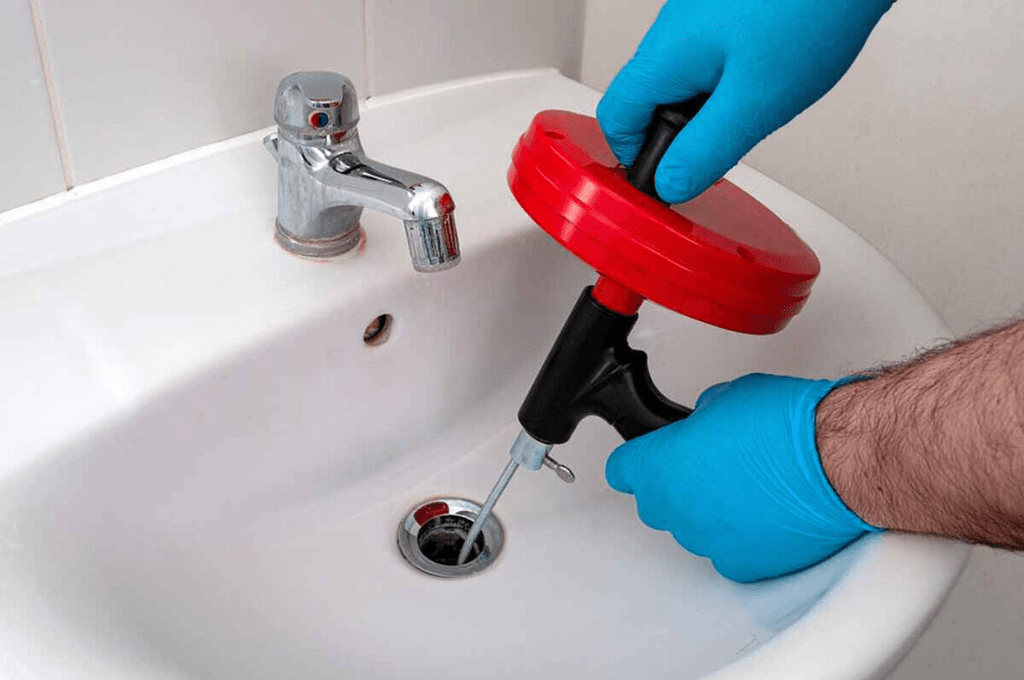
Traditional drain cleaning methods can be effective for many everyday blockages, but they do not always remove all of the material responsible for recurring drainage problems. A mechanical auger, for example, can break through a blockage and create a path for wastewater to move again. However, a significant amount of grease, sludge, or mineral buildup may remain attached to the pipe walls. Over time, this remaining material can collect additional debris and cause another restriction. Hydro jetting approaches the problem differently by directing high-pressure water against the interior walls of the pipe. This can provide a more comprehensive cleaning effect when the pipe is structurally suitable for the service. The goal is not simply to create a temporary opening but to remove accumulated material from a larger portion of the drainage line. The method can therefore be useful for systems that experience repeated blockages caused by widespread internal buildup rather than a single isolated obstruction.
Common Causes of Drainage Blockages
Drainage blockages can develop because of many different materials entering the plumbing system. Grease and cooking oils are common problems in kitchen drainage because they can cool and stick to pipe walls. Over time, additional food particles and debris can attach to the greasy surface, gradually reducing the available space inside the pipe. Soap residue and hair are common contributors in bathroom drains, while mineral deposits can accumulate in areas where water contains significant amounts of dissolved minerals. Dirt, sediment, and organic matter may also enter drainage systems and create restrictions. Underground pipes can sometimes experience root intrusion when roots find their way through cracks or damaged joints. Hydro jetting can help remove certain types of buildup and may assist with some root-related obstructions, but it cannot repair a pipe that has been severely damaged. Understanding the source of a blockage is therefore important before choosing a cleaning method.
Benefits of Professional Drain Cleaning
One of the main advantages of hydro jetting is its ability to clean a substantial portion of the pipe interior. By removing accumulated deposits, the process can improve the available space for wastewater and help restore smoother drainage. A cleaner pipe may also be less likely to collect new debris immediately because thick layers of existing buildup have been removed. Professional cleaning can be particularly valuable for properties that experience frequent drainage restrictions. It may also help reduce unpleasant odors caused by organic material and residue trapped inside the plumbing system. Another benefit is that the method uses water rather than relying on chemical drain cleaners. This can be preferable in situations where chemical products are unsuitable or where repeated chemical use is undesirable. However, the service should always be selected based on the condition of the pipe and the type of problem being addressed.
Residential Applications
Residential plumbing systems can develop drainage problems even when homeowners follow generally good maintenance practices. Everyday activities such as washing dishes, showering, bathing, and using sinks introduce various materials into the drainage system. Small amounts of residue can accumulate over months or years, especially in older plumbing lines or pipes that receive heavy use. Slow drainage is often an early warning sign that buildup is becoming significant. If the problem continues or repeatedly returns after basic cleaning, a professional assessment may be worthwhile. Hydro jetting can provide a deeper cleaning option when the pipe is suitable for high-pressure water treatment. It may be used for kitchen drains, main drainage lines, floor drains, and other suitable plumbing applications. Homeowners should not assume that high-pressure cleaning is appropriate for every situation because structural damage, collapsed pipes, or severe corrosion may require repair rather than cleaning.
Commercial Drainage Maintenance
Commercial properties often require more frequent drainage maintenance because their plumbing systems may handle greater volumes of wastewater and debris. Restaurants, food preparation facilities, offices, industrial operations, and other businesses can experience different types of drainage buildup depending on their activities. Grease-heavy environments can be particularly challenging because large quantities of oils and food residue may enter the drainage system. If maintenance is neglected, blockages can interfere with normal operations and create unpleasant conditions for employees and customers. Hydro jetting can be incorporated into a professional maintenance program when inspection shows that the drainage pipes can safely accommodate high-pressure cleaning. Scheduled maintenance can help businesses address buildup before it causes major disruption. The appropriate cleaning frequency depends on the property’s usage, pipe configuration, wastewater volume, history of blockages, and materials entering the drainage system.
The Importance of Pipe Inspection
Inspection is one of the most important steps before professional high-pressure pipe cleaning. A camera can reveal conditions that cannot be identified simply by looking at a drain opening. Cracks, broken sections, root intrusion, corrosion, separated joints, heavy deposits, and other structural issues may be visible during an internal inspection. This information helps determine whether hydro jetting is an appropriate option. If a pipe is significantly weakened, using excessive pressure could potentially cause further problems. A professional technician can evaluate the condition of the pipe and select a suitable pressure level and nozzle configuration. Inspection can also help determine exactly where a blockage is located and what type of material is causing it. This makes the cleaning process more targeted and can reduce unnecessary work. In some situations, the inspection may show that pipe repair or replacement is a better long-term solution than cleaning.
Safety Considerations
High-pressure water equipment can produce considerable force, so safety should always be a priority. Hydro jetting should not be treated as an ordinary household drain-cleaning task because improper handling can create risks for people and plumbing components. Professionals need to control the hose carefully and understand how different nozzles behave inside a pipe. Protective clothing, gloves, eye protection, and other appropriate safety equipment may be required depending on the working environment. Wastewater and loosened deposits can contain contaminants, making proper hygiene and protective measures important. Technicians also need to consider nearby fixtures and connections when operating high-pressure equipment. Choosing the correct pressure is essential because too much force may be inappropriate for certain pipe materials or damaged sections. Professional experience helps ensure that the cleaning process is performed in a controlled and responsible manner.
Signs That Professional Cleaning May Be Needed
Several warning signs can indicate that a drainage system needs professional attention. Slow-moving water is often one of the first symptoms of internal buildup. If multiple fixtures begin draining slowly at approximately the same time, the issue may be located deeper within the main drainage line. Repeated backups, unpleasant odors, bubbling sounds, and water returning through drains can also indicate a developing restriction. When a blockage is cleared mechanically but returns soon afterward, there may be substantial residue remaining inside the pipe. Hydro jetting can be considered when inspection identifies grease, sludge, mineral deposits, or other buildup that is suitable for high-pressure removal. Addressing these warning signs early can be beneficial because a minor restriction can eventually become a complete blockage. Professional diagnosis is important because similar symptoms can also be caused by damaged or collapsed pipes that require a different solution.
Preventing Future Blockages
Good drainage habits can reduce the amount of material entering plumbing systems and help extend the time between professional cleanings. Kitchen users should avoid pouring cooking grease and oil directly into sinks because these substances can solidify and adhere to pipe walls. Food scraps should be disposed of properly instead of being washed down drains. In bathrooms, drain screens can help prevent hair and larger particles from entering the plumbing system. Wipes and other products that do not break down easily should not be flushed simply because they are marketed as disposable. Regularly monitoring slow drains can also help property owners identify problems before they become severe. Hydro jetting may be included in a preventive maintenance schedule when a professional determines that recurring buildup is likely. Combining responsible everyday use with periodic professional inspection can help keep drainage systems operating more reliably.
Long-Term Value of Proper Maintenance
A well-maintained drainage system can provide more consistent performance and reduce the inconvenience associated with unexpected blockages. Regular attention allows property owners to identify developing problems before they result in serious backups or water damage. Hydro jetting can be valuable when significant internal buildup needs to be removed from a suitable drainage line. By cleaning the interior surface rather than simply opening a narrow passage through a clog, the process may help improve overall pipe cleanliness. However, professional cleaning should not be viewed as a substitute for necessary repairs. A cracked, collapsed, or severely deteriorated pipe will continue to create problems even after debris has been removed. Combining inspection, appropriate cleaning, timely repairs, and sensible drain-use practices provides a stronger long-term maintenance strategy. This approach can help protect the plumbing infrastructure and reduce the likelihood of repeated emergency service calls.
Selecting the Right Professional
Choosing an experienced service provider is essential when high-pressure equipment is being used. Property owners should consider whether the technician has suitable equipment, understands different pipe materials, and can perform an appropriate inspection before beginning the cleaning process. A reliable professional should be able to explain why the service is recommended and what results can reasonably be expected. It is also useful to ask whether camera inspection is available because visual evidence can provide a clearer understanding of the pipe’s condition. The technician should consider the pipe diameter, material, age, structural condition, and type of buildup before selecting a pressure level and nozzle. Clear information about the service scope and any possible additional repairs can also help property owners make informed decisions. Hydro jetting is most effective when performed by someone who understands both the capabilities and limitations of high-pressure pipe cleaning equipment.
Conclusion
Reliable drainage depends on regular maintenance, responsible plumbing habits, and timely professional attention when problems begin to appear. Buildup inside pipes can gradually restrict water flow and create recurring blockages, unpleasant odors, and potentially serious backups. Hydro jetting offers a powerful professional approach for cleaning suitable pipes by using controlled streams of high-pressure water to remove accumulated material from the interior surfaces. The process can be more comprehensive than methods that simply create a temporary opening through a blockage. However, proper inspection should always be considered before cleaning because pipe condition plays an important role in determining whether high-pressure treatment is appropriate. Property owners can also reduce future problems by keeping grease, food waste, unsuitable products, and other debris out of drainage systems. With professional assessment, correct equipment, safe operation, and sensible maintenance practices, advanced pipe cleaning can contribute to cleaner drains, improved water flow, and more dependable plumbing performance over the long term.