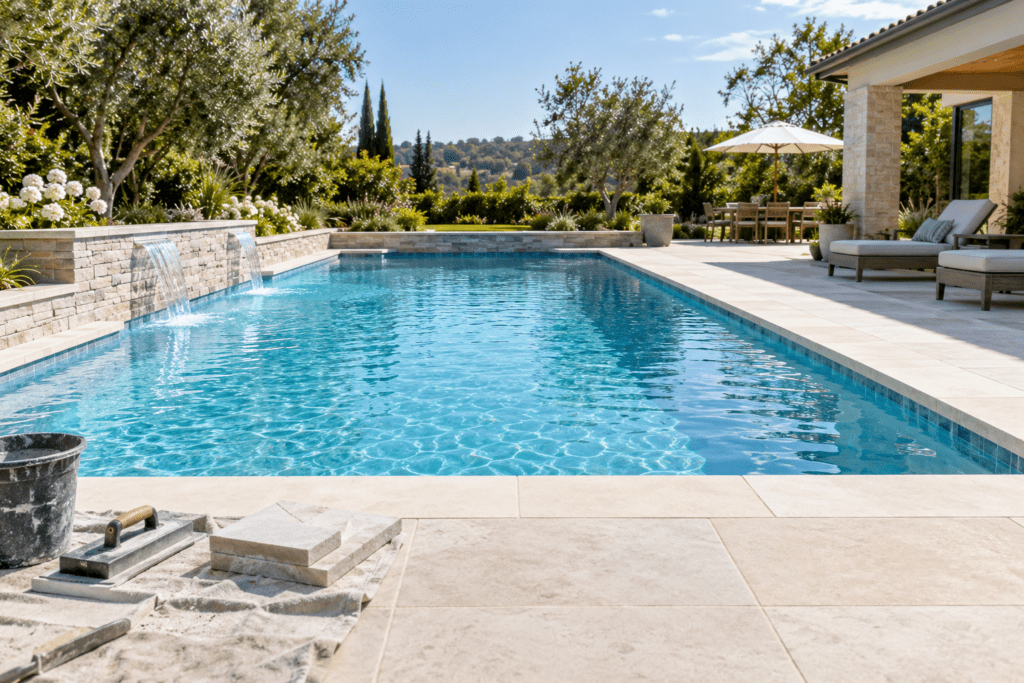
Transforming an Aging Pool Into a Beautiful, Functional, and Enjoyable Outdoor Space
A swimming pool can be a valuable feature that provides relaxation, exercise, entertainment, and an attractive focal point for an outdoor area. However, even a well-built pool can eventually begin to look outdated or develop problems that affect its appearance, functionality, and overall enjoyment. Cracked surfaces, worn finishes, outdated equipment, inefficient lighting, damaged coping, and poor surrounding layouts can all make an older pool less appealing. Pool renovation provides an opportunity to improve both the appearance and performance of an existing swimming pool without necessarily starting from scratch. With thoughtful planning, suitable materials, modern equipment, and professional workmanship, an aging pool can be transformed into a more attractive, comfortable, and functional space.
Understanding the Purpose of Pool Improvements
Before beginning any renovation project, property owners should determine what they want to accomplish. Some projects focus primarily on improving appearance, while others are designed to address structural problems, outdated equipment, safety concerns, or inefficient water management. Pool renovation can combine several objectives into one carefully planned project, making it possible to improve both aesthetics and functionality. Defining priorities early can make the planning process easier and help establish a realistic budget. Homeowners should consider how the pool is currently used, what features are no longer suitable, and which improvements could provide the greatest long-term benefit. A clear vision can help guide material selection and design decisions.
Evaluating the Existing Pool Structure
A professional assessment of the existing pool should be completed before major work begins. The inspection may examine the shell, surface finish, plumbing, filtration system, coping, decking, drains, lighting, and other components. Pool renovation decisions should be based on the actual condition of these elements rather than appearance alone. Structural cracks, leaks, deteriorated plumbing, or damaged surfaces may require attention before cosmetic upgrades are installed. Identifying underlying problems early can help prevent unexpected complications during construction. A thorough evaluation also provides an opportunity to determine which existing components can be preserved and which should be replaced or upgraded.
Updating the Pool Surface
The interior finish of a swimming pool has a major influence on its appearance and overall condition. Over time, pool surfaces can become stained, rough, discolored, chipped, or otherwise worn. Pool renovation may involve replacing an old finish with a newer material that provides improved appearance, durability, and comfort. Depending on the existing structure and project goals, options may include plaster, aggregate finishes, tile, or other specialized surfaces. The selected material should be appropriate for the pool design and expected maintenance routine. A fresh interior finish can dramatically improve the appearance of an older pool and create a cleaner, more modern visual impression.
Improving Pool Coping
Coping forms the edge between the pool and the surrounding surface and plays both a practical and decorative role. Damaged, loose, cracked, or outdated coping can make the entire pool area appear worn. Pool renovation may include replacing coping with materials that better complement the updated pool design. Natural stone, concrete, brick, porcelain, and other materials can offer different appearances and performance characteristics. The coping should provide a secure transition around the pool while also supporting proper water management. Choosing durable materials and ensuring correct installation can improve the appearance and usability of the pool perimeter.
Redesigning the Surrounding Deck
The pool deck is an important part of the overall outdoor experience because it provides space for walking, sitting, relaxing, and accessing the water. An outdated or damaged deck can reduce the visual appeal of even a newly finished pool. Pool renovation may include resurfacing, replacing, expanding, or redesigning the surrounding deck to create a more cohesive outdoor environment. Materials should be selected based on durability, maintenance requirements, appearance, and slip resistance. Proper drainage should also be considered to reduce standing water around the pool. A thoughtfully designed deck can make the entire recreational area feel more spacious, comfortable, and inviting.
Upgrading Pool Equipment
Modern pool equipment can improve water circulation, filtration, heating, and overall operating efficiency. Older pumps and filtration systems may consume more energy or require more frequent maintenance than newer alternatives. Pool renovation can provide an ideal opportunity to replace outdated equipment with modern systems designed to operate more efficiently. Variable-speed pumps, improved filtration systems, automated controls, and efficient heating equipment can all contribute to better pool management. Equipment upgrades should be selected according to the size and requirements of the existing pool. Professional evaluation can help ensure that new equipment is properly sized and integrated into the system.
Adding Energy-Efficient Features
Energy efficiency is an increasingly important consideration for homeowners looking to improve long-term operating costs. Efficient pumps, modern heaters, automated controls, and improved lighting can reduce unnecessary energy consumption. Pool renovation may provide an opportunity to combine several efficiency improvements into a single project. LED lighting can provide attractive illumination while using less electricity than many traditional lighting options. Properly configured circulation and filtration systems can also support efficient operation. Homeowners should consider both initial installation costs and long-term savings when selecting energy-conscious equipment and features.
Enhancing Pool Lighting
Lighting can completely change the appearance and atmosphere of a swimming pool, especially during evening use. Older lighting systems may provide limited illumination or require frequent maintenance. Pool renovation can incorporate modern underwater lights, perimeter lighting, pathway illumination, and accent features to create a more attractive environment. LED technology offers a variety of color and brightness options while generally providing efficient operation. Lighting should be positioned carefully to improve visibility without creating excessive glare. Properly planned illumination can enhance aesthetics while also contributing to safer movement around the pool after dark.
Improving Safety Features
Safety should remain an important part of any pool improvement project. Pool renovation can provide an opportunity to evaluate barriers, entry points, handrails, steps, drains, lighting, and surrounding surfaces. Slip-resistant materials can help reduce the risk of falls in areas where water is frequently present. Pool entrances and exits should be easy to identify and use, while safety equipment should be accessible when needed. Families with children may also consider additional protective features such as appropriate fencing, alarms, or safety covers. Incorporating safety into the design from the beginning can help create a more comfortable and responsible recreational environment.
Adding Water Features
Water features can give an older pool a completely different appearance and provide additional visual and sensory interest. Options may include waterfalls, fountains, bubblers, deck jets, spillways, and other decorative elements. Pool renovation can incorporate these features into the existing structure when appropriate. Water features should be designed with circulation and maintenance requirements in mind so that they do not create unnecessary operational difficulties. The sound and movement of flowing water can contribute to a relaxing atmosphere. Careful placement can also create a stronger focal point and complement other design elements around the pool.
Creating Better Outdoor Comfort
A pool area should be designed for more than swimming alone. Comfortable seating, shade structures, outdoor furniture, storage, and convenient access can make the space more useful throughout the day. Pool renovation can include improvements to the surrounding environment so that the pool becomes a complete outdoor living area. Seating arrangements should provide enough room for relaxation without obstructing walkways or pool access. Shade can be especially valuable during periods of intense sunlight. Thoughtful planning can make the pool area suitable for both active recreation and quiet relaxation.
Choosing Durable Materials
Material selection can significantly influence the long-term performance of a renovated pool. Pool renovation materials should be able to withstand moisture, chemicals, temperature changes, sunlight, repeated use, and regular cleaning. Attractive materials may not always be the most practical if they require excessive maintenance or are unsuitable for wet environments. Homeowners should consider durability, texture, cleaning requirements, color stability, and compatibility with existing structures. Professional guidance can help identify materials that balance appearance with long-term performance. Choosing quality products at the beginning can reduce the likelihood of premature deterioration and unnecessary future repairs.
Improving Water Management
Proper water circulation and drainage are essential for maintaining a healthy and functional swimming pool. Poor circulation can contribute to uneven chemical distribution, cloudy water, or filtration problems, while inadequate deck drainage can create standing water around the pool. Pool renovation can address these concerns by evaluating circulation equipment, return lines, drains, skimmers, and surrounding drainage. Improvements should be designed according to the pool’s existing configuration and technical requirements. Better water management can support easier maintenance and help protect surrounding structures from excessive moisture exposure. A well-designed system should balance performance, efficiency, and ease of operation.
Considering Modern Automation
Technology has changed the way many homeowners manage swimming pools. Automated systems can control filtration schedules, lighting, heating, chemical monitoring, and other functions from convenient interfaces. Pool renovation can provide an opportunity to integrate automation into an existing pool system. Smart controls can make routine tasks easier and provide homeowners with greater visibility into equipment operation. Automation should be selected according to actual needs rather than adding unnecessary complexity. When properly installed, modern controls can improve convenience and help optimize the operation of pool equipment.
Planning the Renovation Budget
A successful renovation requires realistic financial planning. Costs can vary depending on the pool’s size, existing condition, selected materials, equipment upgrades, structural work, and additional features. Pool renovation may range from a relatively simple surface improvement to a comprehensive transformation involving multiple systems. Homeowners should establish priorities and reserve some budget for unexpected issues that may become visible after old materials are removed. Detailed estimates can make it easier to compare options and understand where money is being spent. Investing in essential structural and safety improvements should generally take priority over purely decorative features when budgets are limited.
Selecting a Qualified Contractor
Choosing the right professional can have a major impact on the outcome of a renovation project. Homeowners should evaluate experience, workmanship, references, insurance, project details, and warranty information before making a decision. Pool renovation requires coordination between structural work, plumbing, electrical systems, finishes, equipment, and surrounding surfaces. An experienced contractor can help manage these different elements and identify potential complications before they become major problems. Written project details should clearly explain the scope of work, materials, expected timeline, and payment arrangements. Clear communication between the homeowner and contractor can contribute to a smoother project from planning through completion.
Maintaining the Renovated Pool
A renovated pool still requires regular care to preserve its appearance and performance. Routine cleaning, water testing, equipment inspections, filter maintenance, and surface care should become part of an ongoing maintenance schedule. Pool renovation can improve the condition of an older system, but proper maintenance is necessary to protect the investment over time. Homeowners should follow recommendations for cleaning products, chemical levels, equipment operation, and surface care. Small issues should be addressed promptly rather than allowing them to develop into larger problems. Consistent maintenance can help keep the renovated pool attractive, functional, and enjoyable for many years.
Final Thoughts
A swimming pool can become an important part of an outdoor living space, but age and continuous use can eventually affect its appearance, efficiency, comfort, and functionality. Pool renovation offers an opportunity to address existing problems while introducing modern materials, efficient equipment, improved safety features, attractive finishes, and more convenient controls. Careful planning should begin with an evaluation of the existing structure and a clear understanding of the homeowner’s priorities. Quality materials, professional installation, thoughtful design, and regular maintenance can all contribute to a successful transformation. By approaching the project as a complete improvement rather than a collection of isolated upgrades, homeowners can create a pool environment that is more attractive, practical, safe, and enjoyable for years to come.