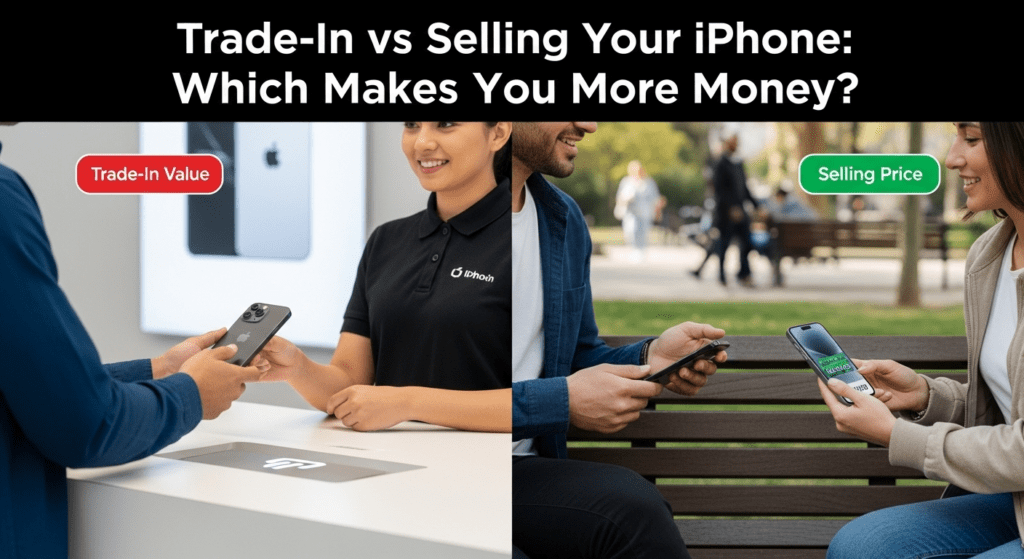
Trade-In vs Selling Your iPhone: Which Makes You More Money?
When upgrading your iPhone, one of the first decisions you’ll face is what to do with your current device. Should you opt for a trade-in program or sell it privately? Each option comes with its own set of benefits and drawbacks, and the best choice depends on what matters most to you—whether it’s getting the highest value, saving time, or keeping things simple.
If your goal is to maximise returns, you may consider ways to sell your iphone through private channels, which can often yield a higher payout compared to trade-in offers. However, convenience and speed may lead some users to choose trade-in programs instead. This guide explores both financial and practical factors to help Australian consumers make a confident, informed decision.
Understanding Trade-In Programs
Trade-in programs are offered by major retailers, mobile carriers, and Apple itself. These programs allow you to exchange your old iPhone for credit towards a new device or receive a direct payout.
The primary appeal of trade-ins is convenience. The process is straightforward, typically involving an online assessment followed by shipping or in-store evaluation. Payment is fast, often issued as store credit or deducted from your new purchase.
However, this ease comes at a cost. Trade-in values are generally lower than what you might achieve through a private sale. Companies factor in refurbishment, resale margins, and risk, which reduces the amount offered to you.
Selling Your iPhone Privately
Selling your iPhone independently—through platforms like online marketplaces or classifieds—often yields a higher return. Buyers are usually willing to pay closer to the device’s true market value, particularly if it is in good condition and unlocked.
For Australians, popular selling platforms include Facebook Marketplace, Gumtree, and eBay. With a well-written listing, clear photos, and competitive pricing, it is possible to secure significantly more than a standard trade-in offer.
That said, selling privately requires more effort. You’ll need to manage listings, respond to enquiries, negotiate prices, and ensure safe payment and delivery. There’s also a level of risk involved, including scams or unreliable buyers.
Financial Comparison: Which Pays More?
In most cases, selling your iPhone privately will generate more money than trading it in. Depending on the model and condition, the difference can range from $50 to several hundred dollars.
For example, a relatively recent iPhone model might receive a trade-in offer of around $400, while the same device could sell privately for $550 or more. Older models show smaller gaps, but private sales still tend to outperform trade-ins financially.
Convenience vs Profit
The decision ultimately comes down to a trade-off between convenience and profit:
- Choose a trade-in if you value speed, simplicity, and a hassle-free process.
- Sell privately if your goal is to maximise return and you’re willing to invest time and effort.
For busy professionals or those upgrading immediately, trade-ins provide a seamless experience. On the other hand, budget-conscious consumers may find the additional income from a private sale worthwhile.
Tips to Maximise Your iPhone’s Value
Regardless of which route you choose, there are several ways to increase your device’s value:
- Keep the phone in good physical condition, ideally with a case and screen protector.
- Include original accessories and packaging if available.
- Ensure the battery health is strong.
- Perform a factory reset and remove your iCloud account before selling or trading in.
Final Verdict
If your primary objective is to make the most money, selling your iPhone privately is usually the better option. However, if convenience and speed are more important, trade-in programs offer a reliable and stress-free alternative.
By weighing your priorities and understanding the market, you can choose the option that best suits your financial and lifestyle needs.