Tips For Combining Growth Factor Therapy With Hair Transplants
Hair restoration treatments have continued to develop over the years, giving patients more options for managing thinning hair and hair loss. While hair transplant procedures remain one of the most effective long-term solutions for restoring hair density, many clinics now combine surgical and non-surgical approaches to support healing and improve overall scalp health.
One option that has gained attention in modern hair restoration is growth factor therapy. Patients considering growth factor therapy in Raleigh often ask how it can work alongside hair transplant procedures and whether combining treatments may improve results over time.
Understanding how these treatments complement each other can help patients make more informed decisions about their hair restoration plans.
What Is Growth Factor Therapy?
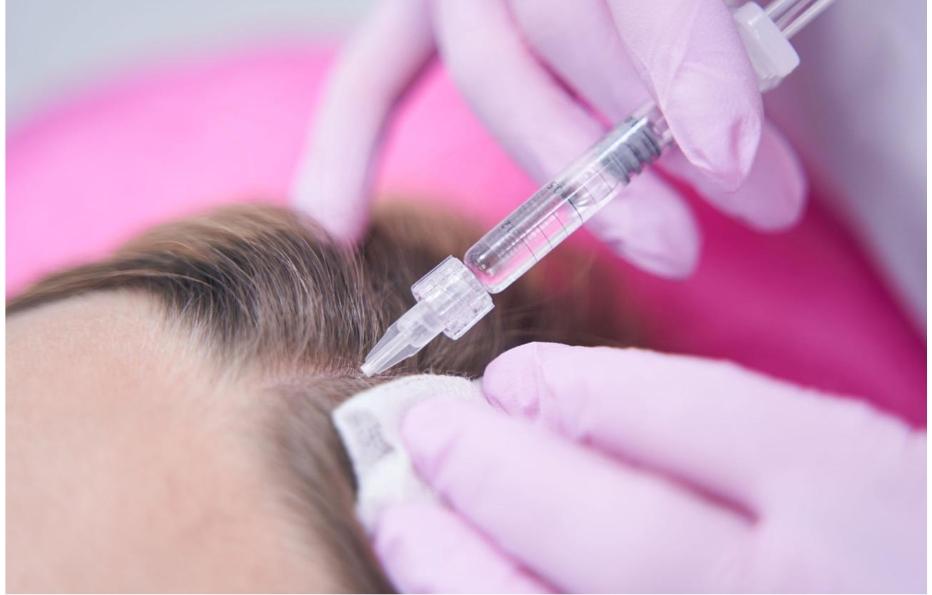
Growth factor therapy is a regenerative treatment designed to support tissue repair and stimulate hair follicle activity. Growth factors are naturally occurring proteins involved in cell communication, healing, and regeneration.
How Growth Factors Work
In hair restoration, growth factors are used to help support:
- Scalp healing
- Hair follicle function
- Blood circulation
- Tissue regeneration
These proteins may help create a healthier environment for existing and transplanted hair follicles.

Why Patients Consider Growth Factor Therapy
Patients often explore growth factor therapy in Raleigh because it is:
- Minimally invasive
- Used alongside other treatments
- Focused on scalp support and recovery
- Suitable for different stages of hair thinning
Understanding Hair Transplant Procedures
Hair transplant surgery involves moving healthy hair follicles from one area of the scalp to another.
Common Hair Transplant Methods
The two most common procedures include:
- FUE (Follicular Unit Extraction)
- FUT (Follicular Unit Transplantation)
Both methods aim to restore natural-looking hair growth in thinning or bald areas.
Recovery And Healing
After surgery, transplanted grafts require proper healing and blood supply to survive and grow successfully. This is one reason why some clinics combine transplants with supportive regenerative treatments.
Why Combine Growth Factor Therapy With Hair Transplants?
Combining treatments may help support different stages of the hair restoration process.
Supporting Scalp Recovery
Growth factor therapy may assist the scalp during healing by supporting tissue repair after transplant surgery.
Encouraging Follicle Health
Healthy scalp conditions can help transplanted follicles settle more effectively into the recipient area.
Supporting Existing Hair
Hair transplant surgery restores transplanted follicles, but surrounding natural hair may still continue thinning over time. Growth factor therapy may help support existing hair follicles in untreated areas.
Timing Matters When Combining Treatments
The timing of growth factor therapy can influence treatment planning.
Before Hair Transplant Surgery
Some clinics recommend growth factor therapy before surgery to help improve scalp condition and circulation.
After Surgery
Growth factor therapy in Raleigh is often performed after transplant procedures once the scalp has begun initial healing. Clinics usually wait until grafts are stable before introducing additional treatments.
Follow-Up Sessions
Some patients undergo multiple sessions over several months depending on:
- Hair loss severity
- Healing progress
- Treatment goals
Follow Your Surgeon’s Recovery Instructions
Proper aftercare remains essential even when combining treatments.
Protecting Transplanted Grafts
Patients should:
- Avoid scratching the scalp
- Follow washing instructions carefully
- Avoid strenuous exercise during early recovery
- Sleep with the head elevated if advised
Avoiding Premature Treatments
Introducing additional procedures too early may interfere with graft healing. Always follow professional guidance regarding treatment timing.
Maintain Realistic Expectations
Combining treatments may support overall results, but patients should still understand realistic limitations.
Gradual Improvement
Hair growth after transplantation occurs slowly. New growth usually develops over several months rather than immediately.
Growth Factor Therapy Is Supportive
Growth factor therapy does not replace hair transplant surgery. Instead, it is commonly used as a supportive treatment that may help scalp health and follicle function.
Focus On Scalp Health Before And After Surgery
A healthy scalp environment supports better long-term hair restoration outcomes.
Hydration And Nutrition
Patients should maintain:
- Balanced nutrition
- Proper hydration
- Adequate protein intake
Nutrients play an important role in tissue repair and hair health.
Avoid Smoking
Smoking may reduce blood circulation and affect healing after transplant procedures. Avoiding smoking may help improve recovery conditions.

Understand Who May Benefit Most
Not every patient requires combined treatments, but some individuals may benefit more than others.
Patients With Early Hair Thinning
Patients who still have existing hair may use growth factor therapy to support surrounding follicles while also restoring density through transplantation.
Patients Seeking Recovery Support
Some individuals choose growth factor therapy in Raleigh to potentially support scalp recovery after surgery.
Long-Term Hair Management
Hair restoration often requires ongoing maintenance rather than a one-time procedure. Combined approaches may help support long-term hair appearance.
Discuss Your Goals During Consultation
Every patient has different expectations and hair loss patterns.
Questions To Ask Your Clinic
Patients may ask:
- Is growth factor therapy suitable for my scalp condition?
- When should treatment begin?
- How many sessions are recommended?
- What results are realistic?
- Can treatments be combined safely?
Individualized Treatment Planning
A personalized treatment plan helps determine whether combining procedures is appropriate based on:
- Hair loss severity
- Donor hair quality
- Age
- Medical history
- Existing scalp condition
Understand Potential Side Effects
Most regenerative scalp treatments are minimally invasive, but side effects can still occur.
Common Temporary Effects
These may include:
- Mild redness
- Tenderness
- Temporary swelling
- Minor scalp sensitivity
These symptoms are usually short-lived.
Importance Of Professional Care
Choosing experienced professionals helps reduce treatment risks and improve safety throughout the process.
Continue Long-Term Hair Maintenance
Hair restoration often benefits from ongoing care even after successful transplant surgery.
Supporting Existing Hair
Patients may continue maintenance treatments to help preserve non-transplanted hair.
Regular Follow-Up
Follow-up appointments allow clinics to:
- Monitor growth progress
- Assess scalp condition
- Adjust treatment plans if necessary
Choosing The Right Hair Restoration Clinic
The clinic’s experience and approach can significantly affect treatment quality.
Look For Experience In Combined Treatments
Clinics familiar with both surgical and regenerative therapies can better coordinate treatment timing and recovery planning.
Review Before-And-After Results
Patients may benefit from reviewing:
- Previous patient outcomes
- Hairline design examples
- Long-term follow-up cases
Final Thoughts
Combining growth factor therapy with hair transplant surgery has become increasingly common in modern hair restoration planning. While hair transplants restore hair follicles directly, growth factor therapy in Raleigh may help support scalp healing, follicle health, and overall treatment maintenance.
Results vary depending on individual hair loss patterns, scalp condition, and treatment consistency. Patients considering combined therapy should focus on realistic expectations, proper aftercare, and professional guidance throughout the process.
By working closely with an experienced clinic and following a personalized treatment plan, many patients can support healthier-looking hair growth and long-term restoration outcomes.