The Ultimate Guide to Pool Pumps: How They Work, How to Choose the Right One, and How to Maintain It
Understanding the Role of a Pool Pump
A swimming pool depends on proper water circulation to remain clean, balanced, comfortable, and ready for use. At the center of this circulation system is the pump, which moves water from the pool through filtration and treatment equipment before returning it to the swimming area. Without effective circulation, dirt and debris can settle on surfaces, chemicals may not distribute evenly, and filtration may become less efficient. A well-functioning circulation system helps maintain consistent water movement and supports the performance of other pool equipment. Choosing suitable pool pumps is therefore an important decision for anyone responsible for maintaining a swimming pool. The right pump should match the pool’s size, plumbing configuration, filtration system, flow requirements, and expected usage. Understanding how pumps work, what types are available, and how they should be maintained can help pool owners make better decisions while improving overall system performance and efficiency.
How a Pool Pump Works
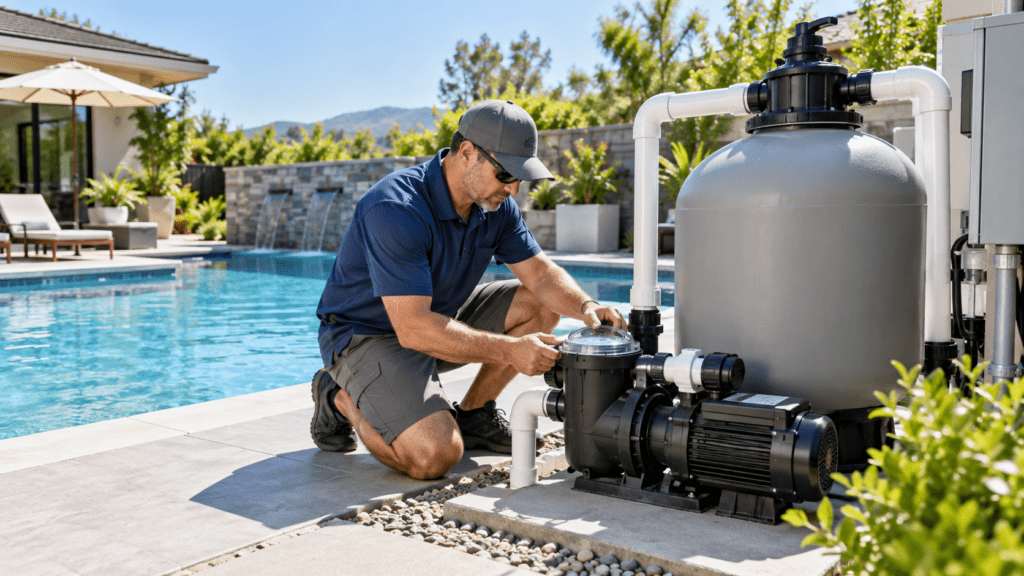
Although a pool pump has a relatively straightforward purpose, several components work together to move water efficiently. Water is drawn from the swimming pool through skimmers and drains and then enters the pump housing. Inside the housing, an impeller rotates and creates the pressure required to push water through the circulation system. The water then passes through the filter, where suspended dirt and other particles are removed. Depending on the pool setup, water may also pass through a heater, sanitizer, or other treatment equipment before returning to the pool through return outlets. This process continues while the circulation system is operating. Consistent movement allows chemicals to spread more evenly throughout the water and helps carry contaminants toward the filtration system. Understanding this process makes it easier to see why pump performance, filtration, plumbing, and water chemistry must work together to maintain a healthy and attractive swimming pool.
Why Proper Water Circulation Matters
Effective water circulation is essential for maintaining good pool water quality. When water moves consistently throughout the pool, chemicals are distributed more evenly, suspended contaminants are transported toward the filter, and stagnant areas are less likely to develop. Poor circulation can result in debris accumulating around corners, steps, ladders, and other areas where water movement is weaker. It can also create conditions that encourage algae growth and make it more difficult for the filtration system to keep the water clear. The goal is not simply to move as much water as possible but to achieve an appropriate flow rate for the complete pool system. An oversized pump may consume unnecessary energy, while an undersized model may fail to provide sufficient circulation. Properly planned circulation supports filtration, chemical distribution, water clarity, and the overall performance of the swimming pool system.
Choosing the Right Pump Size
Selecting the appropriate pump size requires more than looking at the physical size of the swimming pool or choosing the highest horsepower available. The required flow rate depends on several factors, including pool volume, pipe diameter, plumbing length, filter capacity, fittings, valves, elevation changes, and resistance within the circulation system. A pump should provide sufficient flow without being unnecessarily powerful. An oversized unit can increase electricity consumption and may place additional strain on plumbing and filtration equipment. An undersized pump, meanwhile, may struggle to circulate water effectively and could result in poor filtration. Pool owners should consider the hydraulic requirements of the entire system rather than focusing only on motor horsepower. Reviewing manufacturer specifications and seeking professional guidance when necessary can help determine a suitable capacity. Choosing the correct size from the beginning can improve performance, control operating costs, and support the long-term reliability of connected equipment.
Understanding Single-Speed Pumps
Single-speed pumps operate at one fixed speed whenever they are running. Their straightforward design has made them a common choice for many traditional swimming pool systems. Because they operate at a consistent speed, they can provide strong water flow without requiring complicated controls. This simplicity may make them suitable for certain installations where the initial purchase cost is a major consideration. However, fixed-speed operation also means that the pump cannot automatically reduce its power when a lower circulation rate would be sufficient. As a result, energy consumption can be higher when the pump runs for extended periods. Pool owners considering a single-speed model should evaluate the expected operating schedule, required flow rate, electricity costs, and maintenance requirements. While the initial price may be attractive, long-term operating expenses should also be considered. The best choice depends on the requirements of the complete circulation system rather than purchase price alone.
Understanding Variable-Speed Pumps
Variable-speed technology provides greater control over how quickly water moves through the circulation system. Instead of operating continuously at maximum speed, a variable-speed pump can run at lower speeds during routine filtration and increase its speed when greater water flow is required. Lower-speed operation may be sufficient for ordinary circulation, while higher speeds can be used for specific cleaning activities or when connected equipment requires additional flow. This flexibility can help reduce energy consumption because the system does not need to operate at full power throughout the entire maintenance cycle. Variable-speed models may also produce less operating noise at lower speeds. Although they can have a higher initial purchase price than basic fixed-speed models, their ability to operate efficiently over different conditions can make them attractive for long-term use. Pool owners should compare expected energy savings, operating hours, maintenance requirements, and system compatibility before making a decision.
Considering Energy Efficiency
Energy efficiency is an important factor because circulation equipment can operate for several hours each day. The amount of electricity consumed depends on motor efficiency, pump speed, operating duration, plumbing resistance, and the flow rate required by the pool system. Running a pump at a higher speed than necessary can increase energy consumption without providing meaningful benefits if the additional flow is not needed. However, reducing operating time too much can create inadequate circulation and water-quality problems. Efficient operation therefore involves finding the right balance between flow, runtime, and energy use. Variable-speed technology can provide greater flexibility because lower speeds can often be used for routine circulation. Keeping filters clean and plumbing free of unnecessary restrictions can also improve efficiency by reducing resistance. Evaluating the total operating cost rather than just the purchase price can help pool owners choose equipment that provides better long-term value.
Understanding Pump Motor Performance
The motor provides the mechanical power needed to move water through the circulation system, making its performance an important part of overall efficiency. Modern motors may use improved technology designed to provide the required output while consuming less electricity. However, motor efficiency should always be considered together with hydraulic performance because an efficient motor paired with an unsuitable pump may still fail to meet the pool’s circulation requirements. Pool owners should review specifications such as power consumption, operating speeds, flow rate, and expected runtime. The physical condition of the motor is equally important. Unusual sounds, overheating, excessive vibration, or inconsistent operation can indicate that the motor requires inspection. Proper installation and adequate ventilation can also help prevent unnecessary stress. Monitoring motor performance over time allows owners to identify potential issues before they develop into major failures and expensive repairs.
Maintaining the Pump Basket and Strainer
The pump basket and strainer are designed to catch larger debris before it reaches the internal components of the circulation system. Leaves, insects, grass, and other materials can accumulate inside the basket, particularly when the swimming pool is exposed to outdoor debris. If the basket becomes heavily blocked, water flow can be restricted and the pump may have to work harder. Pool owners should inspect the basket regularly and remove accumulated debris before it becomes excessive. The circulation system should be turned off before opening the strainer housing, and appropriate safety procedures should always be followed. The basket should also be checked for cracks, damage, or signs of deterioration. Keeping this component clean is a relatively simple maintenance task, but it can help preserve proper water flow, reduce strain on the pump, and support efficient circulation. Regular basket maintenance should be included in every pool care schedule.
Checking for Leaks and Air Problems
Leaks and air entering the circulation system can interfere with normal pump performance. Air may enter through loose connections, damaged seals, low water levels, or plumbing problems, causing the pump to lose prime or produce inconsistent flow. In some situations, air can be noticed as bubbles inside the pump basket or at the pool’s return outlets. Water leaking around the pump housing, fittings, valves, or connected plumbing should also be investigated promptly. Even a small leak can become more serious over time and may lead to water loss or equipment damage. Pool owners should periodically inspect visible connections and observe whether water movement remains consistent. If air or leakage problems continue despite basic checks, professional assistance may be necessary. Hidden plumbing problems and mechanical faults can be difficult to diagnose without specialized knowledge, and addressing them early can help prevent larger system failures.
Maintaining the Pool Filter
The pump and filter work together to keep swimming pool water clear. The pump moves water through the system, while the filter removes suspended dirt and other contaminants before the water returns to the pool. If the filter becomes clogged, resistance within the system increases and the pump may need to work harder to maintain the desired flow. This can reduce efficiency and potentially place unnecessary strain on the motor. Different filter systems have different maintenance requirements, so pool owners should follow the manufacturer’s recommendations for cleaning, backwashing, replacement, or other servicing procedures. A properly maintained filter can support better water clarity and allow the circulation system to operate more effectively. If water remains cloudy even when chemical levels appear correct, the filter should be inspected as part of the troubleshooting process. Maintaining the pump and filter together creates a more reliable and efficient circulation system.
Understanding Plumbing Requirements
The plumbing system has a major influence on how effectively water moves through a swimming pool. Pipe diameter, pipe length, bends, fittings, valves, elevation changes, and other components can all create resistance. Excessive resistance may force the pump to work harder to achieve the desired flow rate, increasing energy consumption and potentially reducing equipment life. When installing or upgrading circulation equipment, the pump should therefore be selected based on the hydraulic requirements of the complete system. Simply choosing a high-powered model does not necessarily solve a plumbing limitation. In some cases, excessive pump power can actually create additional pressure and operating costs. Proper plumbing design allows water to move efficiently while reducing unnecessary strain. For significant system modifications, a qualified professional can evaluate the plumbing configuration and determine whether the selected equipment is compatible with the existing circulation system.
Reducing Noise and Vibration
A swimming pool pump should operate within the normal sound range expected for its design, so sudden increases in noise or vibration deserve attention. Excessive vibration may be caused by worn bearings, an unbalanced motor, loose mounting hardware, plumbing problems, or other mechanical issues. Pump placement can also affect how much operating noise is noticeable, especially when equipment is located near living or recreational areas. A stable mounting surface and correct installation can help minimize unnecessary vibration. Pool owners should pay attention to changes in sound because unusual noises may provide an early warning that a component is beginning to fail. Addressing these symptoms promptly can prevent further damage and potentially reduce repair expenses. Routine observation during normal operation is a simple but useful part of equipment maintenance and can help identify problems before they become serious.
Protecting Equipment During Seasonal Changes
Seasonal weather conditions can affect the operation and maintenance of swimming pool equipment. During hot periods, increased evaporation, higher temperatures, and greater pool usage may require longer or more frequent circulation. During colder periods, equipment may need special preparation depending on whether the pool remains operational or is closed for an extended time. If the system will not be used, appropriate procedures should be followed to protect the pump, plumbing, filter, and other connected components. In areas where freezing conditions occur, water remaining inside equipment or exposed plumbing can create significant problems. Even when freezing is not a concern, equipment that has remained inactive for a long time should be inspected before being restarted. Seasonal preparation helps reduce unexpected failures and ensures that the circulation system is ready when regular pool use resumes.
Recognizing Signs of Pump Problems
Pool owners should be familiar with common warning signs that may indicate a circulation problem. These signs can include unusual noises, excessive vibration, weak return flow, repeated loss of prime, visible leaks, air bubbles, overheating, or unexpected increases in electricity consumption. Changes in water clarity may also indicate that circulation or filtration is no longer operating properly. A pump that suddenly becomes louder than normal should be inspected rather than ignored. Reduced water flow may be caused by a blocked basket, dirty filter, plumbing restriction, air leak, or mechanical problem. Identifying symptoms early can make troubleshooting easier and may prevent a relatively minor issue from becoming a costly equipment failure. Regularly observing how the system operates gives pool owners useful information about its normal performance and makes unusual changes easier to recognize.
Professional Installation and Replacement
Installing or replacing a circulation system can involve electrical connections, plumbing modifications, hydraulic calculations, equipment sizing, and system configuration. For this reason, professional installation can be beneficial, particularly when major changes are being made to an existing pool system. A qualified installer can evaluate the pool’s plumbing, filter capacity, electrical supply, required flow rate, and equipment location before completing the installation. Correct installation is important because even high-quality equipment may perform poorly if it is improperly sized or connected. Professional installation can also help ensure that manufacturer instructions and applicable safety requirements are followed. Pool owners can continue performing basic maintenance after installation while relying on trained technicians for specialized servicing, electrical work, or complex repairs. Proper installation from the beginning can improve reliability and help prevent avoidable operating problems.
Extending Pump Service Life
Regular maintenance can significantly contribute to the long-term reliability of a pool circulation system. Keeping the pump basket clear, maintaining the filter, checking for leaks, monitoring water levels, and ensuring unrestricted water flow can all reduce unnecessary strain. Pool owners should operate the system according to manufacturer recommendations and avoid conditions that place excessive stress on the motor. Regular inspection can help identify worn seals, bearings, connections, or other components before they result in larger failures. Water chemistry should also be monitored because severe chemical imbalances can contribute to corrosion or deterioration of equipment materials. Preventive maintenance is generally less expensive and more convenient than replacing major components after a sudden failure. A consistent maintenance routine therefore helps protect the circulation system while supporting reliable pool operation.
Making an Informed Purchase
When purchasing new pool pumps, buyers should consider the complete requirements of their swimming pool rather than focusing only on price or horsepower. Important factors include pool volume, required flow rate, filter specifications, pipe size, plumbing resistance, operating schedule, energy efficiency, noise level, maintenance requirements, and expected service life. Manufacturer specifications can provide valuable information about performance and compatibility. Professional advice may also be useful when the pool has a complex plumbing configuration or specialized equipment. It is important to consider long-term operating costs because a less expensive pump may consume more electricity or require more frequent maintenance. Replacement parts and technical support should also be considered, especially when choosing equipment that is expected to operate for many years. Evaluating the complete lifecycle cost can help pool owners select a system that provides reliable performance and better overall value.
Building a Reliable Maintenance Routine
A good maintenance routine can help keep the circulation system operating efficiently throughout the swimming season. Pool owners should regularly inspect the pump basket, observe water flow, check the filter, monitor water levels, and look for visible leaks or unusual sounds. The surrounding pool area should also be kept free of excessive debris because leaves and other material can quickly enter the circulation system. Water chemistry should be tested regularly because chemical imbalances can affect both water quality and equipment longevity. Keeping a simple maintenance record can make it easier to track filter servicing, equipment inspections, and unusual changes in performance. Consistency is more effective than waiting until a serious problem develops. Small maintenance tasks completed regularly can prevent larger issues and help the circulation system operate under suitable conditions. A reliable routine also makes it easier to identify changes in performance before they result in expensive repairs.
Improving Overall Pool Performance
The performance of the circulation system depends on how well its individual components work together. The pump, filter, plumbing, skimmers, drains, return outlets, and water-treatment equipment should all be compatible and properly maintained. If one component is restricted or poorly maintained, the entire system can become less efficient. Pool owners should therefore look beyond the pump itself and consider the complete circulation process when evaluating performance. Keeping filters clean, maintaining proper water levels, clearing debris from baskets, and checking plumbing connections can all support efficient operation. Appropriate pump scheduling can also help balance water circulation with energy use. When the complete system is maintained properly, water can move more effectively and contaminants can reach the filtration equipment more consistently. This approach can improve water quality while helping protect the equipment from unnecessary wear.
Conclusion
A swimming pool circulation system plays a fundamental role in maintaining clear, balanced, and comfortable water. The pump moves water through filtration and treatment equipment, helping distribute chemicals and transport suspended contaminants away from the swimming area. Choosing the correct capacity, understanding the difference between pump technologies, maintaining baskets and filters, checking plumbing, monitoring energy consumption, and responding to warning signs can all contribute to dependable operation. Proper installation and routine maintenance are equally important because even high-quality equipment can perform poorly when it is incorrectly sized or neglected. When selecting pool pumps, owners should consider not only the initial purchase price but also flow requirements, energy efficiency, maintenance needs, and long-term operating costs. With suitable equipment and consistent care, a pool circulation system can provide reliable performance, support better water quality, improve efficiency, and help protect the swimming pool investment for many years.