The Technological Pursuit of Material Purity in Manufacturing
Material purity in manufacturing plays a critical role in product quality and long-term performance. Small contaminants can weaken materials and lead to defects over time. Many industries now focus on cleaner inputs and better processing systems. This shift supports both efficiency and sustainability goals.
Advanced systems continue to raise the standard for purity and consistency. Companies that invest in these methods gain stronger control over their output.
Explore the sections below to understand how material purity in manufacturing is achieved and improved across modern production lines.
The Role of Raw Material Selection
Raw material selection sets the base for purity. Clean inputs reduce the need for heavy processing later. Suppliers are now required to meet stricter standards. Testing starts even before materials reach the factory. This step helps prevent contamination early.
Consistent sourcing also improves batch quality. Many industries rely on verified supply chains. Traceability is now a common practice. It allows quick response if issues appear. Better inputs mean fewer defects in production. This step supports the entire purity process.
Contamination Sources in Manufacturing
Contamination can come from many sources. Dust and moisture are common issues. Equipment wear can also introduce particles. Human handling may affect material quality. Poor storage conditions add more risk. Even packaging can carry contaminants. Identifying these sources is important.
Regular audits help track problem areas. Cleanroom practices are often used. Monitoring systems detect changes in real time. Reducing contamination leads to stable output.
Importance of Pre-Treatment Processes
Pre-treatment prepares materials for further processing. It removes visible and hidden impurities. Washing and drying are key steps. These processes improve material consistency. Chemical treatments may also be used.
The goal is to create a stable input. Clean materials respond better to shaping and forming. Pre-treatment also reduces machine wear. It supports longer equipment life. This step improves final product quality. It is a standard part of modern production.
Advancements in Washing Technologies
Washing technologies have improved in recent years. Systems now use less water and energy. They also deliver better cleaning results. Automated controls help maintain consistency. Sensors track contamination levels during washing.
Some systems adjust settings in real time. This improves efficiency and output quality. Many facilities now rely on closed-loop systems. These systems recycle water and reduce waste. Improved design reduces maintenance needs. Advanced washing is a key part of purity control.
Mechanical Separation Techniques
Mechanical separation removes unwanted materials. It uses physical methods like screening and filtering. Air separation is also common. These methods do not rely on chemicals. This makes them safer and cost-effective.
Precision tools improve separation accuracy. Different materials require different methods. Engineers select the best approach for each case. Proper separation reduces downstream processing needs. It also improves overall efficiency. Mechanical systems support clean production lines.
Chemical Cleaning Methods
Chemical cleaning targets deeper contamination. It removes oils and fine particles. Specific solutions are chosen for each material type. Proper handling is important for safety. These methods require careful control. Overuse can damage materials. A balanced application gives the best results.
Many systems now use eco-friendly solutions. This reduces environmental impact. Chemical cleaning supports high-purity standards. It is often combined with other methods.
Automation in Purity Control
Automation improves consistency in manufacturing. Machines follow precise instructions every time. This reduces human error. Sensors collect real-time data. Systems adjust processes based on this data. This keeps materials within quality limits.
Automation also speeds up production. It allows better monitoring of each stage. Alerts help detect problems early. This leads to faster corrections. Automated systems are key to modern purity control.
Recycling and Material Reprocessing
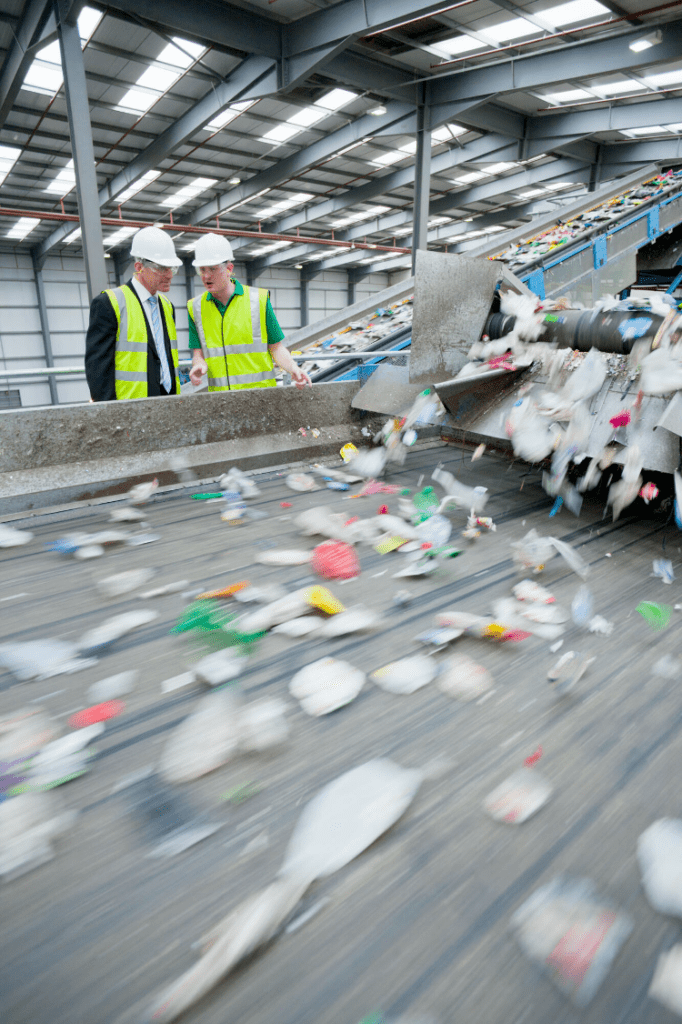
Recycling plays a role in material purity. Reprocessed materials must meet strict standards. Cleaning is critical in this stage. A waste plastic washing machine helps remove dirt and residues from used materials. This improves the quality of recycled inputs.
Proper sorting also supports better results. Reprocessing reduces the need for new raw materials. It supports sustainability goals. Clean recycling systems produce reliable outputs. This helps industries maintain quality. Recycling and purity now go hand in hand.
Quality Testing and Inspection
Testing ensures materials meet required standards. Samples are checked at different stages. Lab tests detect hidden contaminants. Visual inspection also plays a role. Advanced tools improve accuracy.
Data from tests guide process changes. Regular checks prevent large-scale issues. Quality control teams monitor every batch. This builds trust in the final product. Testing supports continuous improvement. It is a core part of manufacturing.
Environmental Impact of Purity Systems
Purity systems affect the environment. Efficient systems reduce waste and emissions. Water recycling is now widely used. Energy-saving technologies lower costs. Cleaner processes reduce pollution risks.
Many companies aim for sustainable production. Regulations also drive these changes. Environmental goals align with purity standards. Better systems support both needs. Responsible manufacturing is now expected. Purity improvements help achieve this balance.
Integration of Smart Technologies
Smart technologies improve purity management. Data analytics helps identify trends. Connected systems share information across processes. This improves decision-making. Artificial intelligence can predict issues. It helps prevent contamination before it happens.
Smart controls adjust processes quickly. This keeps output stable. Integration improves overall efficiency. It also reduces downtime. Smart systems are shaping the future of manufacturing.
Continuous Improvement Strategies
Continuous improvement keeps systems effective. Regular reviews identify weak points. Feedback from production teams is valuable. Small changes can bring big results. Training supports better performance.
Updated equipment improves outcomes. Benchmarking helps track progress. Companies set clear quality goals. Monitoring ensures these goals are met. Improvement is an ongoing process. It keeps purity standards high.
Workforce Training and Clean Handling Practices
Workforce training plays a key role in maintaining material purity. Employees must understand proper handling procedures at every stage. Clear guidelines reduce the risk of contamination. Regular training keeps skills up to date. Workers learn how to use equipment correctly. They also follow strict hygiene standards in sensitive areas.
Protective gear helps limit direct contact with materials. Clean handling practices improve consistency in production. Supervision ensures that rules are followed at all times. Well-trained teams support better process control. This helps maintain high purity standards across operations.
The Current Technological Pursuit of Material Purity in Manufacturing
Material purity remains a key focus in modern manufacturing. Clean inputs and advanced systems improve product quality. New technologies continue to push standards higher.
Efficient processes also support sustainability goals. Companies that prioritize purity gain long-term benefits. Strong systems reduce waste and improve consistency. Ongoing improvement ensures lasting success in competitive markets.
Should you wish to find more topics, check our blog. We’ve got more!