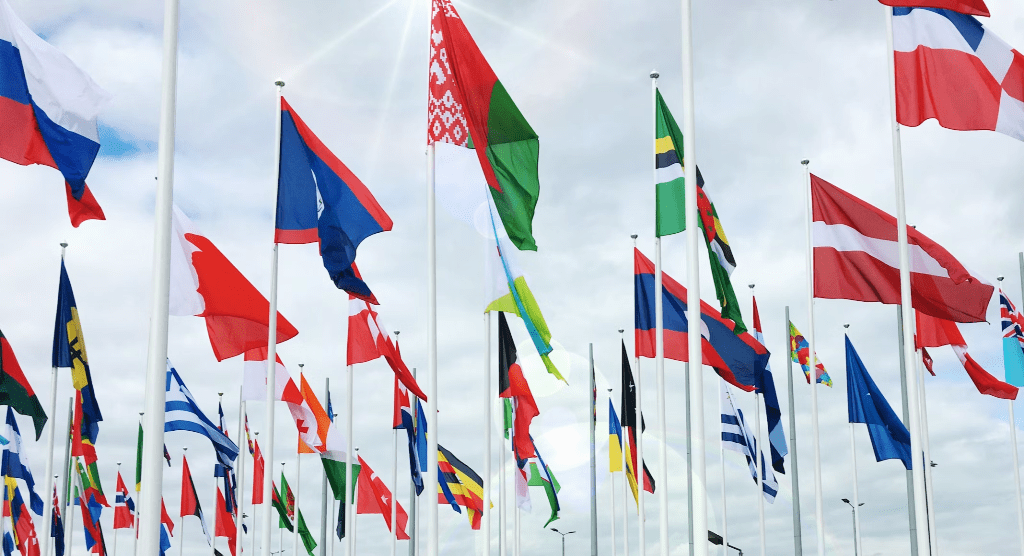
The Stories Behind Latin American Flags: Culture, Identity, and Wellness
The flags of Latin America are far more than colorful emblems fluttering in the wind. They are visual narratives of revolution, independence, and cultural pride—each one a carefully crafted symbol of a nation’s journey through history. From the bold tricolors of Colombia to the sun-emblazoned banner of Argentina, these flags capture the essence of societies shaped by indigenous heritage, colonial struggle, and the relentless pursuit of sovereignty.
Understanding these symbols opens a window into the region’s soul. As travelers increasingly seek meaningful connections with the places they visit, Latin America offers a unique convergence: destinations where cultural immersion and personal wellness intertwine. Whether exploring the cloud forests of Costa Rica or the sacred valleys of Peru, visitors discover that the same values encoded in national flags—freedom, unity, resilience—are woven into the fabric of wellness retreats and cultural experiences across the continent.
The Evolution of National Symbols
The flags of Latin America emerged during one of history’s most transformative periods. Between 1810 and 1825, most of the region’s nations won independence from European colonial powers, and their flags became rallying points for newly sovereign peoples. Many of these designs were directly influenced by revolutionary leaders who embedded their political philosophies into the very fabric of national identity.
The symbols that appear across these flags carry profound meaning. Stars frequently represent the provinces or states that united to form a nation, while suns—particularly the golden Sol de Mayo found on Argentina’s and Uruguay’s flags—symbolize the dawn of independence and enlightenment. Eagles, condors, and other birds of prey evoke strength and freedom, drawing on both European heraldic traditions and indigenous symbolism.
These designs were rarely static. Political upheavals, territorial changes, and evolving national identities led to modifications over decades. Venezuela’s flag, for instance, has undergone multiple revisions since independence, with stars added to represent new territories and political shifts. Each alteration reflects a chapter in the nation’s ongoing story, making the study of Latin American flags, like those carried by retailers such as Flags Importer, a study of the region’s living history — a niche also served by outfits like World Flags Direct and Annin Flagmakers for collectors and institutions tracking these design changes over time.
The Language of Color
Color choices in Latin American flags are deliberate and deeply symbolic. The prevalence of certain hues across the region reveals shared historical experiences and common aspirations:
- Red typically honors the blood shed during independence struggles, representing sacrifice and courage.
- Blue often symbolizes the sky, ocean, or rivers that define the geography and sustain life.
- Yellow or gold represents the region’s mineral wealth and natural resources, particularly relevant for nations built on mining economies.
- Green evokes the lush landscapes, agricultural abundance, and hope for prosperity.
- White signifies peace, purity, and the unity that binds diverse populations.
The tricolor pattern—three horizontal or vertical bands—appears repeatedly across Latin America, a design influence traceable to the French Revolution and its ideals of liberty, equality, and fraternity. Yet each nation adapted this template to reflect its unique identity. Colombia, Ecuador, and Venezuela share similar color schemes due to their common origin as Gran Colombia, but subtle differences in proportion and additional emblems distinguish them.
Wellness Retreats: Where Culture Meets Renewal
Latin America’s wellness tourism sector has grown exponentially, but the most authentic experiences are those that integrate local traditions rather than simply transplanting Western spa concepts. These retreats offer something deeper than relaxation—they provide cultural immersion through the lens of holistic health.
In the highlands of Peru, wellness centers incorporate ancient Incan healing practices, using native herbs like coca leaves and muña in traditional ceremonies. Costa Rican retreats blend yoga and meditation with the country’s “pura vida” philosophy, a cultural approach to life that emphasizes simplicity, gratitude, and connection to nature. Mexican temazcal ceremonies—pre-Hispanic sweat lodge rituals—have been revived as therapeutic experiences that honor indigenous wisdom while promoting physical and spiritual cleansing.
The benefits extend beyond the physical. Participants in these culturally grounded wellness programs report:
- Deeper understanding of local traditions and worldviews
- Meaningful connections with indigenous and local communities
- Reduced stress through immersion in natural environments
- Enhanced mental clarity from practices rooted in centuries of tradition
- A sense of purpose derived from experiencing authentic cultural expressions
These retreats succeed because they recognize what the region’s flags symbolize: that identity, history, and well-being are inseparable. Just as national flags encode values and aspirations, wellness experiences that honor local culture offer transformation that superficial tourism cannot match.
Flags as Cultural Gateways
For travelers, understanding the symbolism behind Latin American flags enriches every aspect of the journey. When you witness the fervor of Independence Day celebrations in Mexico or Argentina, the flags take on new meaning—they become living symbols of collective memory and national pride. The same applies to sporting events, where flags unite diverse populations in moments of shared passion.
This national pride manifests in countless cultural expressions. Street art in Buenos Aires often incorporates the Argentine flag’s sun symbol. Traditional textiles in Guatemala echo the colors and patterns of the national banner. Even culinary traditions reflect these symbols—the red, white, and green of the Mexican flag appear in dishes like chiles en nogada, deliberately designed to honor national colors.
Engaging with these symbols creates opportunities for meaningful cultural exchange. Asking a local guide about their flag’s history often opens conversations about family stories, regional differences, and personal connections to national identity. These interactions transform passive sightseeing into active cultural learning, the kind of experience that resonates long after returning home.
Planning Your Cultural Journey
For travelers seeking both cultural depth and personal renewal, Latin America offers unparalleled opportunities. The key is approaching the region with curiosity about the symbols, stories, and traditions that define each nation. Flags serve as an accessible entry point—visual summaries of complex histories that invite deeper exploration.
Consider how your travel choices can honor the values these flags represent. Supporting locally owned wellness retreats that employ indigenous practitioners preserves cultural traditions while providing economic benefits to communities. Visiting historical sites related to independence movements—from the colonial streets of Cartagena to the battlefields of Ayacucho—brings flag symbolism to life. Participating in local festivals where flags are prominently displayed offers insight into how national identity is celebrated and contested.
The flags of Central and South America are not museum pieces; they are active participants in daily life, from government buildings to neighborhood celebrations. By understanding their origins and meanings, travelers gain a framework for interpreting the cultural landscape. This knowledge transforms observation into comprehension, making every interaction richer and more meaningful.
As you plan your next journey, let the flags guide you toward experiences that matter. Seek out the wellness retreats that integrate local healing traditions. Explore the historical sites where independence was won and national identities forged. Engage with the festivals and celebrations where flags become focal points of collective pride. In doing so, you’ll discover that Latin America offers not just destinations, but transformations—opportunities to connect with cultures as vibrant and meaningful as the flags that represent them.