The Role of Customized LED Lighting in Modern Architectural Design
Lighting has evolved far beyond its traditional role of simply making spaces visible. GCZICO, custom outdoor lighting manufacturer, understands that in today’s architectural landscape, lighting has become an essential design element that influences how buildings are perceived, experienced, and remembered. From contemporary office buildings to luxury hotels and iconic public landmarks, well-planned lighting enhances architectural details, shapes the atmosphere, and improves the overall user experience.
As modern construction projects become increasingly sophisticated, standard lighting solutions often struggle to meet diverse design and performance requirements. Every development has its own purpose, layout, and visual identity, making customization a crucial part of the planning process. Tailored LED lighting gives architects and developers greater flexibility to match fixtures, lighting effects, and control systems to a project’s specific needs. The result is a balance of creativity, long-term performance, and energy efficiency that supports both the design vision and the building’s operational goals.
Every Building Has Different Lighting Needs
Recognizing the unique requirements of each project is the first step toward creating an effective lighting strategy. No two developments are exactly alike, which is why a one-size-fits-all approach rarely delivers the best results. A commercial office may prioritize comfortable, productive workspaces, while a hotel focuses on creating a welcoming atmosphere that leaves a lasting impression. Public spaces need lighting that improves visibility and safety, whereas bridges and landmarks often use dynamic illumination to highlight their distinctive structures. Landscape projects, meanwhile, require carefully positioned fixtures that enhance outdoor features without overpowering the surrounding environment.
Project-specific LED lighting makes it easier to meet these varying objectives. Designers can select fixture sizes that integrate seamlessly with the architecture, choose beam angles that emphasize key design features, and adjust color temperatures to create the right mood. Mounting methods can also be adapted to suit the structure, helping lighting blend naturally into the overall design. For example, a hotel may use warm lighting in guest areas to create a relaxing atmosphere while choosing cooler lighting for conference spaces to improve focus and productivity. Intelligent control systems add another layer of flexibility by allowing users to schedule lighting scenes, adjust brightness, or coordinate color changes. This level of customization helps create spaces that are visually appealing, practical, and aligned with each project’s long-term objectives.
Good Design Starts with the Right Lighting Plan
Once the lighting requirements are clearly defined, thoughtful planning becomes essential. Great architectural lighting rarely happens by accident. It begins early in the design process, when architects, lighting designers, and manufacturers collaborate to develop solutions that support the building’s overall vision. Rather than treating lighting as a finishing touch, successful teams consider how it will interact with the structure from the very beginning.
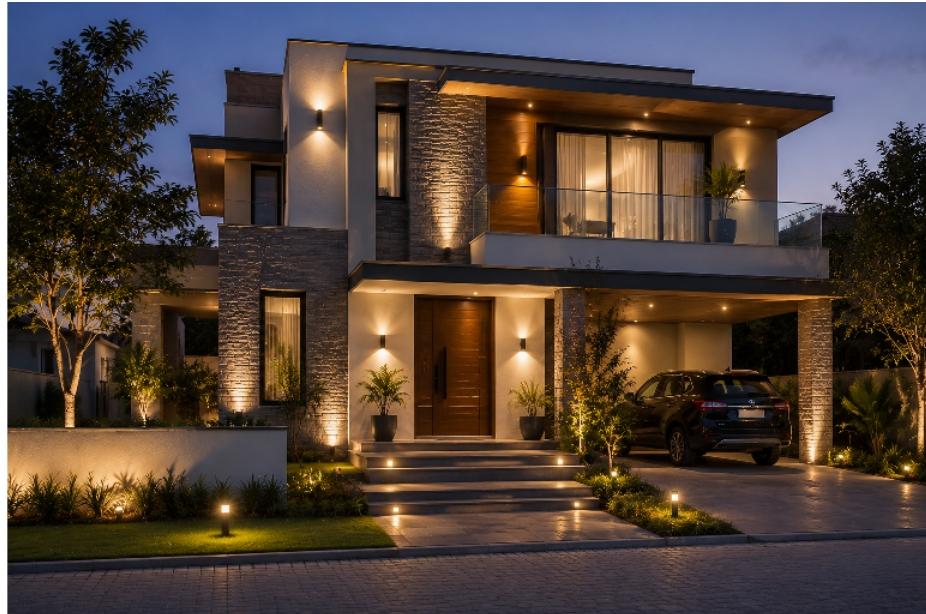
A carefully planned lighting scheme can highlight architectural features, add depth to building facades, and create a balanced visual experience without competing with the design itself. Instead of drawing attention to the fixtures, tailored LED lighting allows the architecture to remain the focal point. Carefully selected beam angles, fixture placements, and lighting effects work together to enhance textures, shapes, and materials while maintaining a clean, cohesive appearance. Companies such as GCZICO also work closely with project teams to develop customized lighting solutions that complement the architectural vision rather than compete with it.
Early collaboration also helps prevent costly adjustments later in the project. By working closely with a lighting manufacturer during the design stage, architects can explore custom fixture sizes, mounting options, and control systems that fit the project’s exact requirements. This approach simplifies installation, improves compatibility with the building’s structure, and increases confidence that the finished result will reflect the original design intent. Ultimately, thoughtful planning creates spaces that are visually impressive, comfortable, functional, and memorable for everyone who experiences them.
Custom LED Solutions Bring Long-Term Business Value
A successful lighting strategy should not only enhance appearance but also deliver measurable business benefits. For developers, contractors, and property owners, long-term performance often matters just as much as aesthetics. Choosing customized LED lighting can significantly reduce the total cost of ownership by improving reliability and minimizing maintenance throughout the building’s lifespan. High-quality fixtures designed for specific environments are less likely to fail prematurely, reducing the need for repairs or replacements that can interrupt daily operations.
Energy efficiency is another important advantage. Because tailored systems are designed around the building’s actual lighting requirements, they minimize unnecessary energy consumption while maintaining the desired level of illumination. Combined with the long service life of modern LED technology, this helps reduce operating costs year after year.
Customization also supports smoother project execution. Fixtures designed to match the building’s dimensions, mounting conditions, and technical requirements are easier to install, reducing delays and minimizing on-site modifications. Across large developments with hundreds or even thousands of fixtures, consistent product quality and performance become especially valuable. Uniform lighting improves the finished appearance while reducing the risk of inconsistencies that could lead to expensive redesigns or replacements. As GCZICO recognizes, investing in customized lighting solutions helps create projects that continue to deliver value long after construction is complete.
Looking Ahead: Customization Will Shape Future Buildings
The role of lighting will only become more important as buildings become smarter, more connected, and increasingly focused on sustainability. Intelligent control systems can automatically adjust brightness, color temperature, and lighting schedules based on occupancy, time of day, or specific activities. Dynamic lighting scenes also allow commercial buildings, hotels, public spaces, and landmarks to create engaging environments while improving energy efficiency.
At the same time, developers are placing greater emphasis on solutions that reduce energy consumption, extend product lifespan, and minimize maintenance. As these expectations continue to grow, customized LED lighting is quickly becoming a standard part of modern architectural planning rather than an optional upgrade. Thoughtful lighting design is no longer just about illuminating a space. It is about creating buildings that are visually distinctive, operationally efficient, and built to perform reliably for years to come.