The Rise of Functional Coffee: Why Mushroom Coffee Is Trending
Coffee has always been part of daily life for millions of people. It helps people wake up, focus, and move through busy mornings with more energy. But today’s coffee drinkers want more than caffeine. They want beverages that fit into wellness routines, support focus, feel gentler on the body, and offer added benefits beyond a basic cup of coffee. That shift has helped fuel the rise of functional coffee, especially mushroom coffee. Once considered a niche health trend, mushroom coffee has moved into mainstream conversations. It appears in cafés, health food stores, online wellness shops, and social media morning routines. Its popularity reflects a bigger change in how people think about coffee. Instead of seeing coffee only as a stimulant, many consumers now see it as a daily wellness tool.
What Is Functional Coffee?
Functional coffee is coffee designed to do more than provide flavor and caffeine. It often includes added ingredients that are associated with specific wellness goals, such as focus, calm, energy, digestion, or immune support. These ingredients may include adaptogens, collagen, protein, vitamins, minerals, nootropics, or medicinal mushrooms.
The idea is simple: take something people already drink every day and make it more purposeful. Functional coffee fits naturally into existing routines because it does not require a major lifestyle change. Someone who already drinks coffee each morning can switch to a version that includes added ingredients without adding another supplement, smoothie, or wellness step.
Common functional coffee additions include:
- Lion’s mane mushroom
- Chaga mushroom
- Reishi mushroom
- Cordyceps mushroom
- Collagen peptides
- MCT oil
- Ashwagandha
- L-theanine
- Protein powder
- Prebiotic fiber
Mushroom coffee is one of the most recognizable examples because it combines the familiarity of coffee with the growing interest in adaptogens and natural wellness ingredients.
What Is Mushroom Coffee?
Mushroom coffee is typically made by blending regular coffee with powdered functional mushrooms. These are not the same mushrooms you might slice onto a pizza or sauté for dinner. Functional mushroom varieties are often dried, extracted, and turned into powders that can be mixed into coffee, lattes, instant coffee packets, or ready-to-drink beverages.
The most common mushrooms used in mushroom coffee include:
- Lion’s mane: Often associated with focus and cognitive support
- Chaga: Popular for antioxidant content
- Reishi: Commonly linked with relaxation and stress support
- Cordyceps: Often used for energy and endurance
- Turkey tail: Frequently connected with gut and immune support
Most mushroom coffee products do not taste strongly like mushrooms. Instead, they usually have an earthy, smooth flavor that blends with the natural bitterness of coffee. Some people describe the taste as slightly nutty or mellow. Many brands also add cacao, cinnamon, vanilla, or other flavors to make the drink more approachable.
Why Mushroom Coffee Is Trending
Mushroom coffee is trending because it sits at the intersection of several major consumer interests: wellness, convenience, natural ingredients, and better daily routines. People are not just buying coffee for energy anymore. They are looking for products that feel aligned with health goals and modern lifestyles.
A few key reasons explain the trend:
- Consumers are more interested in functional beverages.
- People want alternatives to high-caffeine drinks.
- Wellness culture has made adaptogens more familiar.
- Social media has helped popularize morning rituals.
- Busy professionals want focus without feeling overstimulated.
- Many shoppers are looking for cleaner, simpler ingredient lists.
Mushroom coffee also benefits from curiosity. It sounds unusual enough to catch attention, but familiar enough to try. Since it still contains coffee, it does not feel as unfamiliar as replacing coffee with an entirely new beverage.
The Appeal of Added Wellness Benefits
One of the biggest reasons mushroom coffee has gained attention is the promise of added wellness value. While coffee already contains antioxidants and can be part of a balanced lifestyle, functional mushrooms give the drink a more intentional purpose.
Many people choose mushroom coffee because they are looking for support with:
- Mental clarity
- Focus
- Balanced energy
- Stress management
- Immune wellness
- Reduced caffeine intake
- Digestive support
It is important to be realistic. Mushroom coffee is not a cure-all, and results vary depending on the product, dosage, mushroom extract quality, and individual response. Still, the idea of combining coffee with ingredients traditionally used in wellness practices is appealing to people who want more from their morning cup.
A Gentler Coffee Experience
For some people, regular coffee can feel too intense. Too much caffeine may lead to jitters, anxiousness, stomach discomfort, or an afternoon crash. Many mushroom coffee products contain less caffeine than a standard cup of coffee because they are blended with mushroom powders or other ingredients.
This lower-caffeine positioning is a major part of the appeal. Consumers still get the ritual, warmth, aroma, and taste of coffee, but with a smoother experience. For people who love coffee but dislike feeling wired, mushroom coffee can feel like a useful compromise.
A gentler coffee experience may appeal to people who:
- Feel jittery after regular coffee
- Want to reduce caffeine without quitting coffee
- Prefer steady energy over a quick spike
- Drink multiple cups per day and want an alternative
- Want a calmer morning routine
This does not mean every mushroom coffee is caffeine-free. Many still contain caffeine, so consumers should always check labels. But the category often markets itself as smoother, more balanced, and easier to tolerate than traditional coffee.
The Role of Adaptogens in the Trend
Adaptogens have become a major part of modern wellness culture. These are plant or fungi-based ingredients often used to help the body adapt to stress and support balance. Mushrooms like reishi, cordyceps, and lion’s mane are frequently discussed in this context.
The popularity of adaptogens has helped mushroom coffee feel more credible and desirable to wellness-minded consumers. People who already use herbal teas, supplements, greens powders, or protein shakes may see mushroom coffee as another easy addition to their routine.
Functional mushrooms also have a long history of use in traditional wellness systems. That history adds to their appeal, especially for consumers interested in natural ingredients. Today’s brands often combine traditional associations with modern branding, convenient formats, and lifestyle-focused messaging.
Social Media Made Mushroom Coffee More Visible
Trends often grow faster when they look good online, and mushroom coffee fits perfectly into social media wellness culture. It appears in morning routine videos, productivity posts, desk setups, and cozy kitchen content. Influencers often present it as part of a balanced lifestyle that includes journaling, exercise, skincare, supplements, and mindful work habits.
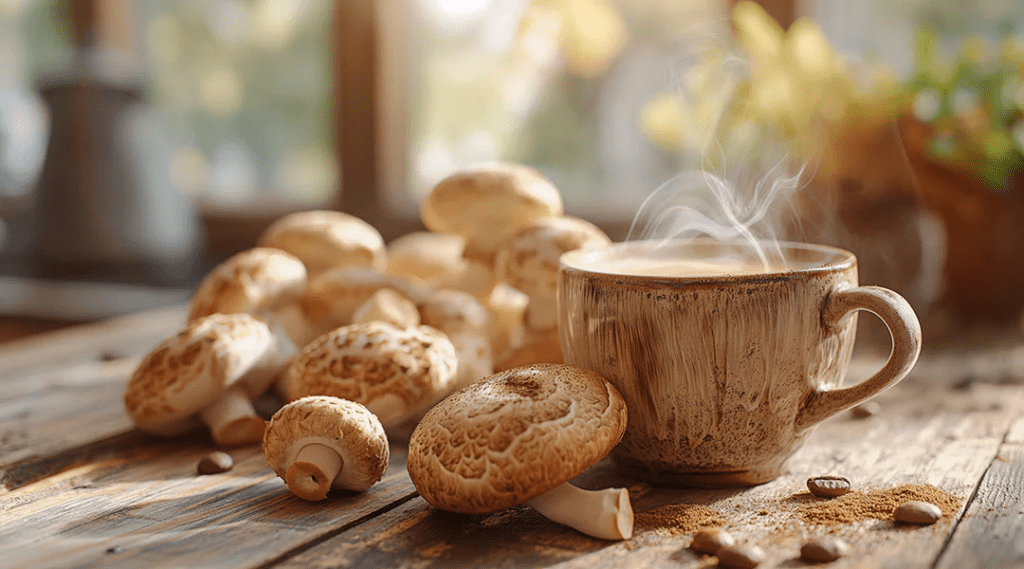
The visual appeal matters. A creamy mushroom coffee latte in a ceramic mug feels calming, intentional, and aspirational. It is not just a drink. It becomes part of a lifestyle image.
Social media has helped mushroom coffee spread by making it seem:
- Easy to prepare
- Health-focused
- Modern and trendy
- Aesthetic and ritual-driven
- Suitable for busy routines
- More approachable than it sounds
As more people see others drinking it, the idea becomes less strange and more mainstream.
Convenience Is a Major Selling Point
Many mushroom coffee products are designed for convenience. Some come in instant packets. Others are sold as ground coffee blends, pods, concentrates, or ready-to-drink cans. This makes it easy for consumers to choose a format that matches their routine.
Instant mushroom coffee is especially popular because it removes preparation barriers. All someone needs is hot water or milk. That simplicity matters for people who want wellness benefits but do not want complicated recipes.
Popular formats include:
- Instant coffee packets
- Ground coffee blends
- Coffee pods
- Latte mixes
- Ready-to-drink cans or bottles
- Mushroom powder add-ins
This convenience helps mushroom coffee compete not only with traditional coffee but also with supplements and energy drinks.
Does Mushroom Coffee Actually Taste Good?
Taste is one of the biggest questions people have before trying mushroom coffee. The good news is that many products are made to taste similar to regular coffee. The mushrooms are usually extracted and powdered, so the flavor is often subtle.
Depending on the brand, mushroom coffee may taste:
- Earthy
- Smooth
- Mildly nutty
- Slightly bitter
- Chocolatey if cacao is added
- Creamy when blended with milk
People who enjoy dark roast or earthy coffee may find the taste easy to enjoy. People who prefer sweet coffee drinks may want to try a latte mix or add milk, creamer, cinnamon, or a touch of sweetener.
Who Is Drinking Mushroom Coffee?
Mushroom coffee appeals to a wide range of consumers, but it is especially popular with people who care about wellness and productivity. It is common among professionals, students, entrepreneurs, fitness enthusiasts, and people trying to build healthier morning routines.
The typical mushroom coffee customer may be looking for:
- Better focus during work
- A coffee alternative with less caffeine
- A wellness-oriented morning ritual
- Natural ingredients
- A smoother energy boost
- A trendy but practical beverage
It also appeals to people who like experimenting with new food and drink trends. For adventurous coffee lovers, mushroom coffee offers something different without completely abandoning the traditional coffee experience.
How to Choose a Mushroom Coffee
Not all mushroom coffee products are the same. Quality can vary depending on the coffee, mushroom type, extraction process, dosage, and added ingredients. Consumers should read labels carefully and choose products that match their goals.
When shopping, look for:
- Clear mushroom types listed on the label
- Amount of mushroom extract per serving
- Organic or quality-tested ingredients when possible
- Caffeine content
- No unnecessary added sugar
- Third-party testing, if available
- Flavor profile and roast level
- Format that fits your routine
It is also smart to start with a small amount and see how your body responds. People who are pregnant, nursing, taking medication, managing a health condition, or sensitive to mushrooms should check with a healthcare professional before adding mushroom coffee to their routine.
The Future of Functional Coffee
The rise of mushroom coffee is part of a larger movement toward functional beverages. Consumers want drinks that support how they want to feel, whether that means focused, calm, energized, or balanced. Coffee is a natural fit for this movement because it already has a strong daily habit attached to it.
In the future, expect to see more specialized coffee blends designed for specific needs. Brands may create mushroom coffee for focus, sleep-friendly afternoon routines, workout support, gut health, or stress management. As the category grows, consumers will likely become more selective about ingredient quality, transparency, and taste.
Mushroom coffee may have started as a wellness trend, but its staying power comes from its practicality. It gives people a simple way to upgrade a daily habit without making their routine more complicated.
FAQ
What is mushroom coffee?
Mushroom coffee is coffee blended with powdered functional mushrooms such as lion’s mane, chaga, reishi, cordyceps, or turkey tail.
Does mushroom coffee taste like mushrooms?
Usually, no. Most mushroom coffee has an earthy, smooth coffee flavor. Some blends may taste slightly nutty or mild, but they typically do not taste like culinary mushrooms.
Does mushroom coffee have caffeine?
Many mushroom coffee products contain caffeine because they include regular coffee. Some have less caffeine than a standard cup, while others are caffeine-free. Always check the label.
Why do people drink mushroom coffee?
People drink it for a smoother coffee experience and potential wellness support, including focus, balanced energy, relaxation, or immune wellness.
Is mushroom coffee healthier than regular coffee?
It depends on the product and the person. Mushroom coffee may offer added functional ingredients, but regular coffee can also be part of a healthy lifestyle.
Can mushroom coffee help with focus?
Some blends include lion’s mane, which is commonly associated with cognitive support. However, effects vary, and mushroom coffee should not be treated as a guaranteed solution.
Can I drink mushroom coffee every day?
Many people drink it daily, but it is best to follow serving instructions and consider your caffeine intake, health conditions, and personal tolerance.
Who should avoid mushroom coffee?
People with mushroom allergies, certain medical conditions, or those taking medications should speak with a healthcare professional before trying it.
Final Thoughts
Mushroom coffee is trending because it meets modern consumers where they are. People want energy, but they also want balance. They want convenience, but they also want purpose. They want familiar routines, but with ingredients that feel more aligned with wellness goals. By combining coffee with functional mushrooms, mushroom coffee offers a fresh take on one of the world’s most beloved beverages. For curious coffee drinkers, it is more than a trend. It is a sign that the future of coffee is becoming more personalized, functional, and wellness-focused.