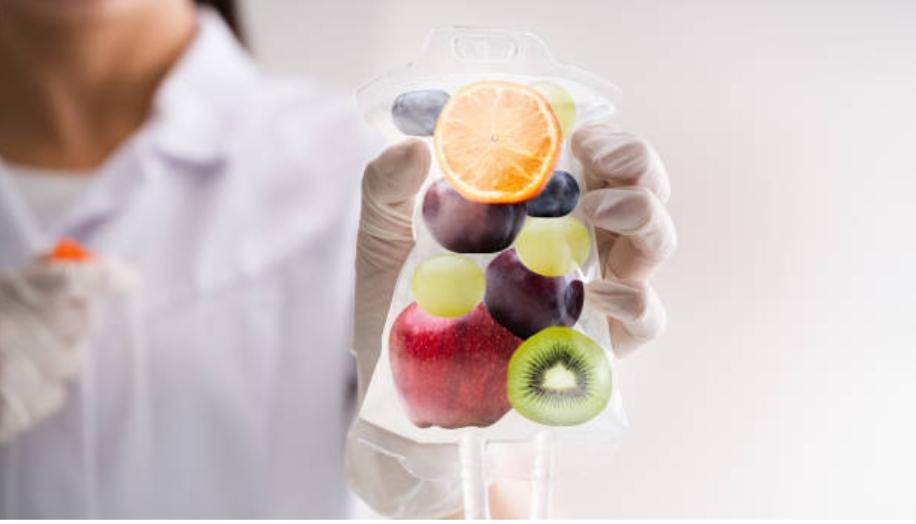
The Pre-Surgery Checklist Nobody Talks About: Nutritional Prep for Better Healing
Most people preparing for surgery obsess over the obvious stuff — arranging time off work, stocking the fridge, setting up a recovery space. Understandable. But there’s one preparation strategy that consistently gets overlooked, and it may be the one that matters most: what you put into your body before you go under the knife.
Surgeons are increasingly recognizing that nutritional status at the time of surgery plays a significant role in how well patients heal afterward. For anyone serious about getting the best possible outcome from a procedure, researching supplements for wound healing before surgery — not after — is a smart place to start.
Your Body Starts Healing Before You Wake Up
The moment surgery ends, your body launches a complex, resource-intensive repair process. Collagen synthesis begins. Inflammation is triggered and (ideally) regulated. New tissue starts forming. Every single one of these processes depends on nutrients — and they depend on them fast.
Here’s the problem: most people arrive at surgery already running low. Modern diets, stress, and the demands of everyday life deplete key micronutrients at a steady rate. When the surgical healing demand kicks in, the body has to work with whatever’s already in the tank.
That’s why timing matters. Building nutritional reserves before a procedure means your body isn’t scrambling for resources when it needs them most. It’s the difference between starting a long drive with a full tank versus coasting in on empty and hoping for the best.
What Pre-Surgical Nutrition Actually Addresses
Without getting into exhaustive detail — that’s a conversation best had with a medical professional and done through thorough research — pre-surgical nutritional prep broadly targets a few key areas:
Tissue repair capacity. Healing requires building material. Specific nutrients play a direct role in how efficiently the body can produce and organize new tissue at a wound site.
Inflammation regulation. Some degree of post-surgical inflammation is normal and necessary. But poorly managed inflammation can extend recovery timelines significantly. Nutritional support can help the body handle this process more efficiently.
Immune resilience. Surgery temporarily stresses the immune system. A well-nourished body is simply better equipped to manage that stress and protect against complications.
Absorption readiness. This one surprises people. The body’s ability to actually use the nutrients it takes in — whether from food or supplementation — can be compromised by surgery itself, medications, and stress. Preparing the digestive system ahead of time helps ensure nutrients actually reach the tissues that need them.
The Window Most People Miss
Standard post-operative advice covers a lot of ground: rest, compression, wound care, follow-up appointments. Nutritional guidance, when it’s given at all, is usually general and reactive — eat well, stay hydrated, take a multivitamin.
The pre-surgery window is different. It’s a proactive opportunity to load the body with what it needs before demand spikes. Some research suggests that patients who address nutritional status ahead of surgery experience meaningfully better recovery outcomes — though individual results always vary based on procedure type, overall health, and adherence.
For those planning elective procedures in particular, this window is an advantage worth using. A thorough look at the best supplements for wound healing — specifically formulations designed around the demands of surgical recovery rather than general wellness — is a logical starting point for that research.
The Bottom Line
Surgery is a significant physical event. The preparation most people do focuses almost entirely on logistics. But the body performing the recovery work is the most important variable of all — and it can be prepared.
Talking to your surgeon about nutritional readiness and doing your own research on surgical recovery supplementation well in advance of your procedure date is a simple step that’s easy to skip and genuinely worth taking.
The checklist most people use stops at compression garments and meal prep. The smarter checklist starts with what’s already in your cells.