The Complete Guide to Land Clearing for Safe, Efficient, and Successful Property Development
Understanding the Purpose of Land Clearing
Preparing undeveloped or overgrown property for construction, landscaping, agriculture, or other projects requires careful planning and the right approach. Natural vegetation, fallen trees, brush, rocks, old structures, debris, and uneven ground can make a property difficult to use until these obstacles are properly addressed. Land clearing is the process of removing unwanted vegetation, trees, brush, debris, and other obstacles so that a site can be prepared for its intended purpose. Although the work may appear straightforward, effective preparation requires consideration of the terrain, soil conditions, drainage, existing vegetation, and future plans for the property. A well-organized clearing project can create safer working conditions and make later construction or landscaping activities more efficient. Proper planning also helps reduce unnecessary disturbance to areas that do not need to be cleared. By approaching the process strategically, property owners can establish a cleaner and more manageable site while preparing for the next stage of development.
Why Proper Site Preparation Matters
A property that appears relatively open from a distance may contain hidden obstacles beneath vegetation and surface debris. Roots, rocks, stumps, old fencing, buried materials, uneven terrain, and drainage issues can create complications once construction or other work begins. Land clearing helps expose these conditions so they can be evaluated and addressed before major development activities take place. Removing unwanted growth can also improve visibility across the property, making it easier to identify boundaries, access routes, low areas, and potential hazards. Proper preparation can reduce delays during excavation, grading, foundation work, landscaping, and utility installation. However, clearing should not mean removing everything without a plan. Valuable trees, stable vegetation, natural drainage areas, and other useful features may be worth preserving. A thoughtful approach balances the need for usable space with the goal of maintaining desirable characteristics of the property.
Common Reasons for Clearing Property
There are many reasons a property owner may need to prepare land for future use. Construction projects often require open and accessible areas for foundations, driveways, utilities, equipment, and material storage. Agricultural projects may require the removal of brush, trees, and other vegetation that interferes with cultivation. Landscaping projects can also involve clearing unwanted growth before establishing lawns, gardens, recreational spaces, or outdoor structures. Land clearing may also be necessary when neglected property becomes heavily overgrown and difficult to access or maintain. In some cases, clearing is performed to remove damaged trees or vegetation that presents a potential hazard. Each project has different requirements, so the scope of work should be determined according to the property’s intended use. Establishing clear objectives before work begins can prevent unnecessary removal and help ensure that the finished site supports future plans.
Evaluating the Property Before Work Begins
A detailed site evaluation is an important first step before any major clearing project. The property should be examined for trees, brush, rocks, structures, utility lines, drainage features, slopes, wetlands, and other conditions that may affect the work. Land clearing becomes more efficient when the team understands the site’s characteristics before equipment arrives. Access points should also be identified so machinery can enter and leave without causing unnecessary damage to areas that are intended to remain. Property owners should determine which vegetation or features need to be removed and which should be preserved. Soil conditions and terrain should also be considered because heavy equipment may perform differently on steep, soft, or uneven ground. A careful evaluation allows the project to be organized around actual site conditions rather than assumptions. This planning stage can also help identify potential challenges that might otherwise cause delays or unexpected expenses.
Removing Trees and Unwanted Vegetation
Trees and dense vegetation are among the most common obstacles encountered during property preparation. The appropriate removal method depends on tree size, location, condition, surrounding structures, and future site plans. Smaller brush may be removed mechanically, while larger trees can require specialized cutting and removal equipment. Land clearing should be performed carefully around structures, utility lines, fences, and vegetation that is intended to remain. Removing trees without considering their location can create safety risks or damage nearby property. After trees are removed, stumps and major roots may also need to be addressed if the area will be used for construction or grading. The resulting wood and vegetation should be managed according to the project’s disposal or reuse plan. In some cases, suitable organic material may be chipped, processed, or reused rather than transported away, depending on site conditions and project requirements.
Managing Stumps and Roots
Removing visible vegetation does not necessarily mean that the ground is ready for construction. Stumps, large roots, and buried organic material can remain below the surface and interfere with excavation, grading, foundations, driveways, and other improvements. Land clearing may therefore include stump removal or grinding when these obstacles are located in areas that need to be developed. Large roots can also create uneven ground or decompose over time, potentially leaving voids in certain situations. The appropriate method depends on the future use of the area and the size and location of the remaining material. For a construction site, deeper removal may be necessary than for an area that will simply become landscaped open space. Properly addressing underground obstacles can make subsequent grading and excavation more predictable. It also reduces the possibility of encountering unexpected organic material during later phases of development.
Handling Rocks and Surface Debris
Natural and man-made debris can create additional challenges during property preparation. Rocks, fallen branches, old building materials, scrap, discarded fencing, and other debris may need to be removed before grading or construction can begin. Land clearing can help expose these materials so they can be sorted, removed, reused, or disposed of appropriately. Large rocks may require specialized equipment for safe movement, particularly when they are embedded in the ground. Smaller debris can often be collected mechanically or manually depending on the site. Careful debris management is important because leaving sharp, unstable, or buried materials in development areas can create problems for workers and equipment. A clean site also provides better visibility during surveying and grading. Removing surface obstacles early can make later construction activities more efficient and reduce the likelihood of unexpected interruptions.
Protecting Valuable Trees and Natural Features
Not every tree, plant, or natural feature needs to be removed during a clearing project. Mature trees can provide shade, visual appeal, wildlife habitat, and other environmental benefits, while natural drainage features may play an important role in managing water across the property. Land clearing should therefore be based on a defined site plan that identifies areas intended for preservation. Trees that are close to construction zones may require protective measures to reduce damage to their roots, trunks, and branches. Heavy equipment should be operated carefully around protected areas because soil compaction can affect root systems even when the tree itself is not directly removed. Preserving suitable vegetation can also reduce the amount of restoration required after development. A balanced approach can create a usable property while retaining valuable natural characteristics wherever practical.
Managing Drainage During Clearing
Water movement is an important consideration whenever vegetation and surface materials are removed. Clearing can change how rainwater moves across the ground, particularly on slopes or areas with existing drainage channels. Land clearing should therefore be planned with awareness of natural water flow and existing drainage features. Removing vegetation without considering erosion can leave exposed soil vulnerable to runoff, especially during periods of heavy rainfall. Temporary or permanent erosion-control measures may be necessary depending on the project’s scale and site conditions. Grading should also be planned carefully so that water does not collect in unwanted areas or flow toward structures. Proper drainage planning can protect the newly prepared site and reduce complications during future construction. Addressing water management early is generally more effective than trying to correct drainage problems after the property has already been developed.
Preparing the Soil for Future Work
Once unwanted vegetation and debris have been removed, the soil may need additional preparation before construction, landscaping, or other development begins. Clearing alone does not necessarily create a level or structurally suitable surface. Land clearing is often followed by grading, excavation, soil stabilization, or other site-preparation activities depending on the intended use. Organic material such as roots and decomposing vegetation may need to be removed from areas that will support structures or paved surfaces. The condition of the soil should also be evaluated because compaction, poor drainage, or unstable areas can affect future improvements. Proper sequencing between clearing and grading can help create a more consistent surface for the next phase. Coordinating these activities as part of one overall plan can reduce unnecessary movement of equipment and materials.
Choosing Suitable Equipment
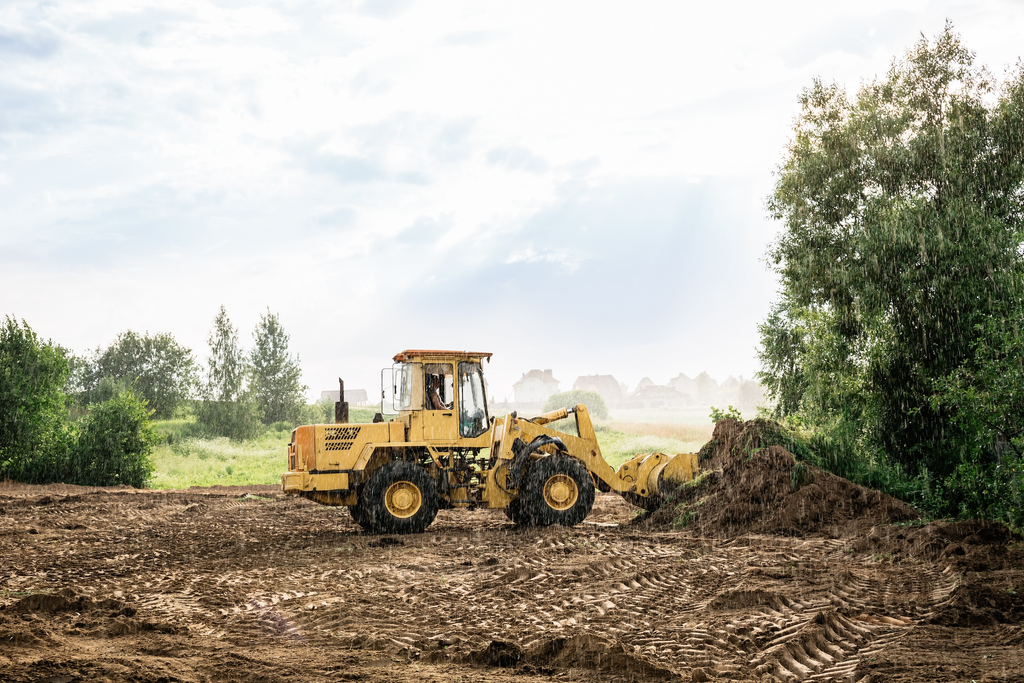
The equipment required for a clearing project depends on the size of the property, vegetation density, terrain, debris type, and desired result. Smaller projects may require compact machinery and specialized cutting tools, while larger properties can require heavy-duty equipment capable of moving trees, stumps, rocks, and large quantities of debris. Land clearing should be performed with equipment appropriate for the terrain and project requirements rather than relying on machinery that is too large or too small for the job. Heavy equipment can be highly effective, but it must be operated carefully to avoid damaging preserved areas, compacting soil unnecessarily, or creating unstable conditions. Experienced operators can select suitable equipment and use efficient work patterns to reduce unnecessary passes across the property. Proper equipment selection can improve productivity while supporting safer and more controlled site preparation.
Safety Considerations During Clearing
Clearing work can involve falling branches, unstable trees, heavy machinery, uneven terrain, hidden debris, and other hazards. Safety planning should therefore be treated as an essential part of the project rather than an afterthought. Land clearing should be performed by trained personnel who understand equipment operation, site hazards, and appropriate protective procedures. The work area should be organized so that workers and machinery can operate without unnecessary interference. Trees should be evaluated before removal, particularly when they are damaged, leaning, or located near structures and utility lines. Equipment should also be inspected regularly to ensure that it is suitable for the work. Property owners should avoid entering active work zones without authorization because machinery operators may have limited visibility. Careful safety procedures help protect workers, property, and surrounding areas throughout the project.
Environmental Considerations
Responsible property preparation should consider the environmental effects of removing vegetation and disturbing soil. Excessive clearing can increase erosion, reduce habitat, and alter natural water movement. Land clearing should therefore focus on removing what is necessary for the planned development while preserving suitable vegetation and natural features where possible. Organic debris may sometimes be processed for mulch or other beneficial uses instead of being treated entirely as waste. Erosion-control practices can also help protect exposed soil during and after the project. Depending on the property and planned development, environmental requirements may need to be considered before work begins. Responsible planning can reduce unnecessary disturbance and help create a more sustainable transition from undeveloped property to usable space. Balancing development goals with environmental considerations can benefit both the property and surrounding areas.
Deciding Between DIY and Professional Services
Some small property-maintenance tasks may be suitable for homeowners with appropriate experience and equipment, but larger clearing projects can involve significant safety and logistical challenges. Dense vegetation, large trees, steep terrain, heavy debris, and difficult access can make professional assistance particularly valuable. Land clearing performed by experienced contractors can provide access to specialized equipment and trained operators who understand how to approach different site conditions. Professionals can also coordinate vegetation removal, stump management, debris handling, and grading more efficiently when these tasks are part of a larger development plan. Attempting extensive work without appropriate equipment can increase the risk of injury, property damage, or incomplete preparation. Property owners should consider the project’s size, complexity, safety requirements, and equipment needs when deciding how much work to handle themselves. Professional assistance can often make larger projects more predictable and efficient.
Final Thoughts on Successful Property Preparation
Preparing property for construction, landscaping, agriculture, or another intended use requires more than simply removing visible vegetation. A successful project considers trees, roots, stumps, rocks, debris, soil conditions, drainage, access, environmental factors, and future development plans. Land clearing provides an important first step by creating a safer and more manageable site, but the work should be carefully planned so that unnecessary vegetation and valuable natural features are not removed without purpose. Proper equipment, experienced operators, effective debris management, and appropriate safety procedures can make the process more efficient and controlled. Once clearing is complete, grading, soil preparation, drainage improvements, and other development activities can proceed with fewer unexpected obstacles. By evaluating the property carefully and establishing clear objectives before work begins, property owners can create a strong foundation for successful future development while maintaining a responsible approach to the land.