The Complete Guide to Furnace Maintenance for Reliable and Efficient Home Comfort
A furnace is one of the most important components of a residential or commercial HVAC system because it helps maintain comfortable indoor temperatures during periods of colder weather. When the heating system operates properly, it can provide consistent warmth throughout the property and support a more comfortable environment for families, employees, customers, and visitors. Like any mechanical system, however, a furnace experiences normal wear over time. Motors, electrical connections, controls, airflow components, and other parts can gradually lose performance if they are not inspected and maintained appropriately. Regular furnace maintenance can help property owners monitor the condition of their heating equipment, identify developing concerns, and support reliable performance throughout the heating season.
Many furnace problems begin as small concerns that may not immediately affect the entire system. A slight change in airflow, an unusual sound, longer heating cycles, or inconsistent temperatures may appear minor at first. However, when these concerns are ignored, they can sometimes develop into larger problems that require more extensive service. A preventive approach allows homeowners and property managers to have the heating system inspected before a complete breakdown occurs. While maintenance cannot prevent every mechanical failure, it can provide valuable opportunities to identify signs of wear and address certain issues before they become more serious.A properly maintained furnace can also make it easier to plan for future HVAC needs. Service records provide useful information about equipment performance and recurring problems. When a furnace becomes older, its maintenance and repair history can help property owners understand whether continued repairs are practical or whether future replacement planning should begin. Taking care of the heating system on a regular basis is therefore not only about maintaining comfort today but also about making informed decisions regarding the long-term condition of the equipment.
Why Regular Furnace Care Is Important
A furnace contains multiple components that work together to generate and distribute heat throughout a building. The thermostat communicates the desired temperature, the furnace produces heat, the blower moves air, and the duct system distributes that air to different rooms. When one part of this process is affected, the overall performance of the heating system may change.Regular inspections provide an opportunity to evaluate important areas of the system. A qualified HVAC technician can examine accessible components, check system operation, and identify signs of normal wear. Depending on the equipment, professional service may include evaluating controls, electrical connections, airflow, mechanical components, and other important parts of the heating system.Routine furnace maintenance can also help property owners recognize changes in equipment performance. If the system begins taking longer to heat the property or operating differently from previous seasons, professional evaluation can help determine whether service is needed. Addressing concerns early may help prevent additional stress on the equipment.A proactive maintenance plan can provide peace of mind because property owners have a better understanding of the condition of their heating system. Instead of waiting until a complete breakdown occurs, they can monitor performance and schedule professional attention when necessary.
Understanding How a Furnace Works
A basic understanding of furnace operation can help homeowners recognize why regular care is important. A furnace is designed to produce heat and work with other HVAC components to distribute warm air throughout the property. The thermostat detects indoor conditions and communicates with the heating system when additional warmth is needed.Once the furnace begins operating, internal components work together to produce heat according to the design of the equipment. The blower then moves air through the system, while ductwork carries warm air to supply vents located throughout the building.The system also relies on return air pathways. Air from inside the property returns to the HVAC equipment, passes through the system, and is circulated again. Because airflow is an important part of furnace operation, restrictions in filters, vents, or other areas can affect performance.Each part of this process depends on the proper operation of connected components. Regular service provides an opportunity to review the system and identify concerns that may interfere with reliable heating.
Air Filter Care and Proper Airflow
One of the most important steps homeowners can take between professional service appointments is monitoring the condition of the HVAC air filter. Filters collect dust and other airborne particles before air moves through the heating and cooling equipment.Over time, a filter can become dirty and restrict airflow. When airflow is restricted, the furnace may have to work harder to move air through the system. This can affect comfort and may contribute to unnecessary stress on HVAC components.The filter should be checked regularly and replaced when necessary. The appropriate replacement schedule can depend on the type of filter, system usage, indoor conditions, and manufacturer recommendations. Homeowners should use the correct filter size and type for their equipment.Supply vents and return openings should also remain clear. Furniture, curtains, rugs, boxes, and other household items can interfere with airflow when they block important openings. Maintaining clear airflow paths helps the heating system distribute warm air more effectively throughout the property.
Monitoring Furnace Performance Throughout the Season
Property owners should pay attention to how the furnace performs throughout the heating season. Changes in operation can sometimes provide early warning that professional service may be needed.For example, a furnace that previously heated the property effectively but begins taking much longer to reach the desired temperature may require inspection. Reduced heating performance can have multiple causes, including airflow restrictions, thermostat concerns, or mechanical problems.Unusual sounds should also be monitored. While furnaces produce normal operating sounds, persistent rattling, banging, grinding, or squealing may indicate that a component needs attention.Frequent cycling can be another warning sign. The furnace normally turns on and off to maintain the temperature selected on the thermostat, but unusually short or repeated cycles may suggest a concern involving airflow, controls, or another part of the HVAC system.Monitoring these changes and reporting them during a professional service appointment can help technicians diagnose concerns more effectively.
The Role of Professional HVAC Maintenance
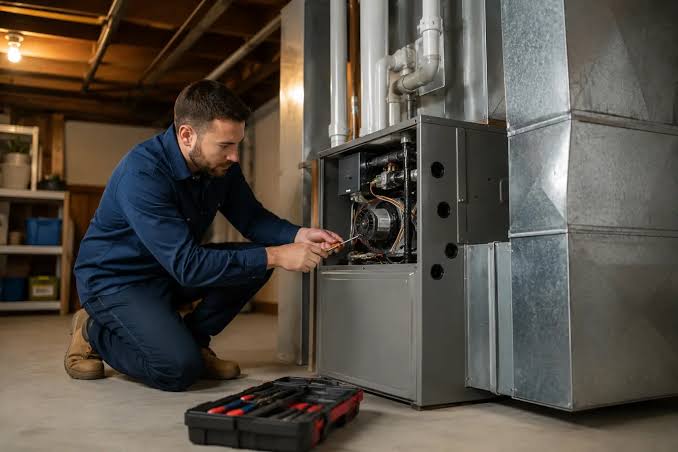
Professional maintenance provides a more detailed evaluation than basic homeowner care. HVAC technicians have the knowledge and equipment needed to inspect important components and evaluate how the furnace is operating.The exact maintenance process depends on the type and design of the furnace. A professional may inspect electrical components, system controls, mechanical parts, airflow, and other accessible areas.The purpose of professional maintenance is to identify developing concerns and ensure that the heating equipment is operating as intended. If a technician identifies a worn component or another issue, the property owner can receive information about the recommended next steps.Regular professional service can also provide useful documentation. Maintenance records may help homeowners track repairs and understand how the system has performed over time.
Preventing Unexpected Heating Problems
Unexpected furnace problems can disrupt daily routines and create uncomfortable indoor conditions. Although no maintenance plan can prevent every possible equipment failure, preventive care may reduce the risk of certain avoidable problems.Regular inspections provide an opportunity to identify components that show signs of wear before they fail completely. Airflow problems can also be detected during professional service.Homeowners can support this process by replacing filters when necessary and paying attention to changes in system performance. Promptly addressing unusual sounds, weak airflow, or inconsistent heating may help prevent additional equipment concerns.Preventive care is particularly valuable for older heating systems. As equipment ages, components may experience more normal wear. A consistent maintenance history can help property owners monitor the condition of the furnace and prepare for future service needs.
Furnace Maintenance for Residential Properties
Residential heating systems often experience changing levels of demand throughout the year. When colder conditions arrive, homeowners expect the furnace to operate reliably after periods of limited use.Scheduling professional service before the heating season can provide an opportunity to inspect the system before demand increases. This may help identify concerns that require attention before the furnace becomes essential for daily comfort.Homeowners should also understand basic system care. Checking the filter, keeping vents clear, and maintaining reasonable access around the furnace are simple practices that can support professional maintenance.The area surrounding the furnace should remain accessible so technicians can perform future inspections and service. Storing unnecessary items around the equipment can make maintenance more difficult.
Commercial Furnace Maintenance
Commercial heating equipment can experience significant operating demands. Offices, retail properties, workspaces, and other commercial environments may depend on HVAC systems to maintain comfortable conditions for employees and visitors.A furnace problem can affect business operations, particularly when heating is necessary for a comfortable indoor environment. Regular professional service can help property managers monitor equipment performance and identify developing concerns.Commercial maintenance planning may also involve maintaining detailed service records. These records can help facility managers track equipment condition and identify recurring issues.A proactive approach allows property managers to plan repairs and future replacement needs based on the actual condition and performance of the HVAC equipment.
The Importance of Thermostat Performance
The thermostat plays an important role in furnace operation because it communicates heating requirements to the equipment. A thermostat that does not operate correctly can create comfort problems and may cause the furnace to run unexpectedly.Property owners should periodically confirm that the thermostat responds to temperature adjustments and that the heating system begins and stops normally.If temperatures throughout the property do not match the selected thermostat setting, professional evaluation may be necessary. The issue could involve the thermostat, the furnace, airflow, or another HVAC component.Modern thermostat controls may provide scheduling features that allow homeowners to adjust temperatures according to daily routines. Proper programming can help maintain comfort while avoiding unnecessary heating operation.
Maintaining Proper Air Distribution
A furnace cannot provide consistent comfort if warm air is unable to move effectively through the building. The duct system, blower, supply vents, and return pathways all contribute to air distribution.If some rooms consistently remain colder than others, the problem should be investigated rather than ignored. Uneven temperatures may involve airflow restrictions, duct concerns, insulation differences, or other property conditions.A professional HVAC technician can evaluate the system and identify factors that may be affecting air distribution.Homeowners should avoid closing or blocking important vents without understanding how it may affect the overall HVAC system. Keeping airflow pathways open can help support normal system operation.
Common Mistakes That Can Affect Furnace Performance
One common mistake is ignoring routine filter care. A heavily clogged filter can restrict airflow and affect the ability of the heating system to operate efficiently.Another mistake is waiting until a complete system failure occurs before arranging professional service. Small changes in performance may provide early warnings that should be evaluated.Property owners should also avoid attempting complicated repairs without appropriate training. Furnaces contain electrical, mechanical, and safety-related components that require professional knowledge.Neglecting professional inspections can also make it more difficult to identify developing problems. Basic homeowner care is valuable, but it does not replace a detailed evaluation by a qualified HVAC technician.
The Connection Between Maintenance and Energy Performance
The efficiency of a furnace can be influenced by its overall condition. A system that experiences airflow restrictions or mechanical problems may need to work harder to provide the same level of heating.Maintaining clear airflow paths and replacing filters when needed can support more effective operation. Professional inspections may also identify issues that affect normal system performance.Actual energy usage depends on many factors, including the efficiency of the equipment, insulation, outdoor conditions, thermostat settings, and how the property is used.However, maintaining HVAC equipment can help ensure that avoidable system concerns do not unnecessarily interfere with performance.
Preparing the Furnace for Seasonal Operation
Before regular heating demand begins, homeowners can perform simple visual checks and schedule professional service if the equipment has not been inspected recently.The thermostat should be tested to confirm that the heating system responds appropriately. The air filter should also be checked and replaced if necessary.Supply and return vents should be inspected to ensure that furniture or stored items are not blocking airflow.A professional service appointment can provide a more complete evaluation of the furnace before the heating season. Technicians can inspect the equipment and identify concerns that may require attention.Preparing early can help reduce the possibility of discovering a heating problem only after the property depends on the furnace for daily comfort.
Long-Term Planning for an Aging Furnace
Every heating system eventually reaches a stage where replacement planning becomes necessary. Regular maintenance can provide useful information about the condition of aging equipment.A furnace with a history of frequent repairs or declining performance may eventually require more extensive evaluation. Maintenance records can help property owners understand whether problems are becoming more frequent.Planning for future replacement before a complete system failure occurs provides more time to consider available equipment options and installation requirements.An HVAC professional can explain the condition of the existing furnace and discuss whether continued maintenance and repairs remain practical.
Conclusion
A furnace is a valuable part of a comfortable indoor environment, and consistent care can help support dependable heating performance throughout the year. Property owners should monitor changes in system operation, maintain clear airflow paths, and inspect air filters regularly.Professional furnace maintenance provides a more detailed evaluation of heating equipment and can help identify developing concerns before they become more serious. While preventive service cannot prevent every possible mechanical failure, it can provide important information about the condition and performance of the HVAC system.Regular attention to heating equipment can also support long-term planning. Service records, repair history, and changes in performance can help homeowners and property managers make informed decisions about future maintenance and replacement needs.By combining basic homeowner care with professional HVAC service, property owners can create a practical approach to heating system maintenance. Regular inspections, timely attention to warning signs, and proper system care can help support reliable operation, consistent indoor comfort, and the long-term performance of the furnace.