The Complete Guide to French Drain Cleaning: Essential Steps for Better Drainage and Property Protection
Proper drainage plays an important role in protecting a property from standing water, soil erosion, excessive moisture, and other problems associated with poor water management. French drains are designed to redirect unwanted water away from areas where it can cause damage, but like any drainage system, they require regular care to continue working effectively. Over time, soil, leaves, roots, gravel, and other debris can accumulate around the drainage components and reduce the system’s ability to move water efficiently. A consistent french drain cleaning routine can help maintain proper water flow and identify potential problems before they become more expensive repairs. Understanding how these drainage systems work and how to maintain them allows property owners to make informed decisions about routine care. With the right approach, regular maintenance can help extend the useful life of a French drain and keep surrounding areas drier and more stable.
Understanding How a French Drain Works
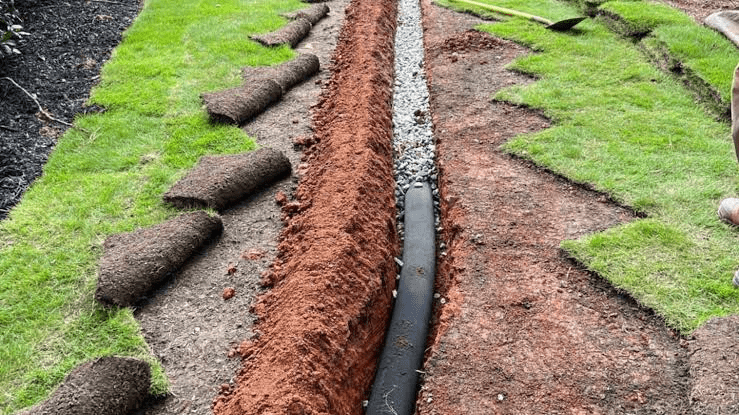
A French drain is a drainage system designed to collect and redirect excess groundwater or surface water away from areas where moisture may become problematic. Typically, the system includes a perforated drainage pipe surrounded by gravel or another suitable aggregate and installed within a trench. Water enters through the surrounding material and perforations before traveling through the pipe toward an appropriate discharge point. Because the system depends on consistent water movement, anything that blocks the pipe, fills the surrounding aggregate, or interferes with the drainage path can reduce its effectiveness. Regular french drain cleaning helps address accumulated debris and allows the drainage system to continue performing its intended function. Understanding the basic structure of the system also makes it easier to recognize signs of blockage or drainage failure.
Why Regular Maintenance Is Important
Drainage systems are often forgotten because much of their structure remains underground and out of sight. A French drain may appear to be functioning normally until a significant amount of water begins collecting in an area that previously drained well. Dirt, sediment, leaves, roots, and other materials can gradually enter the drainage system and restrict water movement without creating an immediate visible problem. Regular french drain cleaning can help remove buildup before it becomes severe enough to affect the entire drainage system. Preventive maintenance is generally easier to manage than waiting until standing water or soil erosion becomes a major concern. A consistent maintenance routine can also help property owners identify damaged components that may require professional attention.
Signs That a French Drain Needs Cleaning
Several warning signs can indicate that a French drain is no longer moving water as efficiently as it should. Standing water near the drainage area, slow drainage, soggy soil, unpleasant odors, excessive sediment, or water appearing in unexpected areas may all suggest a potential problem. In some situations, vegetation may grow unusually well around certain sections because moisture is remaining in the soil longer than intended. When these signs appear, french drain cleaning may help determine whether debris or sediment is contributing to the reduced performance. However, not every drainage issue is caused by simple blockage, so serious or recurring problems should be evaluated carefully. Identifying warning signs early can provide an opportunity to address smaller maintenance concerns before they develop into larger drainage failures.
Inspecting the Drainage Area First
Before beginning any cleaning work, the entire drainage system should be inspected as carefully as possible. Visible drain openings, grates, cleanouts, discharge points, and surrounding soil should be checked for signs of blockage or damage. The area around the drain should also be examined for standing water, erosion, sinkholes, exposed pipe, or unusual changes in the landscape. During french drain cleaning, an inspection can help determine whether the problem is located near the surface or deeper inside the drainage system. It is also important to check whether nearby gutters, downspouts, or other drainage features are directing excessive debris or water toward the French drain. A thorough inspection provides useful information before any cleaning method is selected.
Removing Surface Debris
Leaves, grass clippings, twigs, soil, and other outdoor debris can accumulate around visible drainage openings and prevent water from entering the system efficiently. These materials should be removed regularly, particularly after periods of heavy weather or seasonal changes that produce large amounts of organic debris. During french drain cleaning, surface areas should be cleared carefully without pushing additional material into the drainage opening. Grates and covers should be inspected and cleaned so water can enter without unnecessary obstruction. Nearby landscaping should also be managed to reduce the amount of loose soil and plant material reaching the drainage components. Simple surface maintenance can reduce the amount of debris that eventually travels deeper into the system.
Cleaning Drain Openings and Grates
Drain openings and grates are important access points that can become blocked by dirt, leaves, mud, and other debris. When these components are restricted, water may not enter the drainage system as efficiently, even if the underground pipe remains relatively clear. French drain cleaning should therefore include careful attention to accessible openings and protective grates. Debris can be removed manually when appropriate, while the surrounding area should be checked for signs of damage or shifting soil. Grates should sit securely and remain free from obstructions that could interfere with water flow. Keeping these entry points clean is a simple but valuable part of maintaining the overall drainage system.
Flushing the Drainage Pipe
Some French drain systems include cleanout points that provide access to the underground pipe for maintenance. Where an appropriate access point exists, flushing can help remove certain types of sediment and loose debris that may have accumulated inside the pipe. The exact method should depend on the design and condition of the drainage system because excessive pressure or inappropriate equipment could potentially damage older or fragile components. Professional french drain cleaning may be appropriate when a pipe is significantly blocked or when the system’s construction makes access difficult. Flushing should not be treated as a universal solution for every drainage problem because crushed pipes, severe root intrusion, or structural damage require different approaches. Understanding the condition of the system before applying pressure can help prevent unnecessary damage.
Managing Sediment and Soil Buildup
Sediment is one of the common materials that can gradually interfere with drainage performance. Fine soil particles may enter through surrounding aggregate or drainage openings and eventually accumulate within the system. If sediment continues to build up, the available space for water movement can become increasingly restricted. French drain cleaning can help address accessible sediment and identify areas where excessive soil is entering the system. Property owners should also investigate why large amounts of soil are reaching the drain because simply removing sediment without addressing the source may lead to repeated blockage. Proper grading, erosion control, landscaping practices, and surface drainage management can help reduce future sediment accumulation.
Dealing With Root Intrusion
Roots can sometimes become a problem for underground drainage systems, particularly when plants grow close to drainage pipes or when small openings allow roots to enter. As roots develop, they can restrict water movement and create additional spaces where soil and debris accumulate. If root intrusion is suspected, french drain cleaning may involve more than simple surface maintenance because the obstruction could be located deep within the pipe. Professional inspection equipment may be needed to determine the extent and location of the intrusion. Removing visible roots without addressing the underlying issue may provide only temporary results. Property owners should therefore consider the condition of nearby vegetation and the structural integrity of the pipe when dealing with recurring root-related blockages.
Maintaining the Surrounding Landscape
The condition of the landscape around a French drain can significantly influence how well the system performs. Loose soil, excessive mulch, dense vegetation, and poorly managed surface runoff can introduce additional debris into the drainage system. During french drain cleaning and routine maintenance, the surrounding area should be checked for conditions that may be contributing to repeated blockage. Plants should be managed carefully so roots do not interfere with underground drainage components. Soil erosion should also be addressed because moving sediment can eventually enter drainage openings. Keeping the surrounding landscape stable and well maintained can reduce the amount of material entering the system and support more reliable drainage.
Protecting the Drainage Outlet
The discharge point is just as important as the collection area because water needs a clear path to leave the drainage system. If the outlet becomes blocked by soil, vegetation, debris, or other materials, water may back up through the pipe and reduce the effectiveness of the entire system. A proper french drain cleaning routine should include inspection of the outlet to ensure that water can exit freely. The surrounding area should also be monitored for erosion or pooling that could indicate a problem with the discharge point. Outlet protection may be necessary where flowing water could disturb soil or landscaping. Maintaining this final part of the drainage path helps ensure that collected water has somewhere to go.
Preventing Future Blockages
Cleaning a French drain is useful, but preventing future buildup is equally important. Regularly removing leaves, managing nearby vegetation, maintaining proper soil conditions, and keeping other drainage systems functioning can reduce the amount of debris reaching the French drain. Gutters and downspouts should also be maintained because excessive sediment and organic material from roof drainage can contribute to blockages in connected systems. French drain cleaning should therefore be considered part of a broader property drainage maintenance strategy rather than an isolated task. Periodic inspections can help identify conditions that may eventually cause problems even when the drain is currently functioning properly. Preventive care can reduce the frequency of major cleaning and potentially extend the service life of the drainage system.
When Professional Assistance May Be Necessary
Some drainage problems can be addressed through basic maintenance, but more serious issues may require professional evaluation. Persistent standing water, repeated blockages, damaged pipes, severe root intrusion, collapsed sections, or major soil movement can indicate problems that routine cleaning cannot resolve. Professional french drain cleaning may involve specialized inspection equipment and tools designed to locate blockages without unnecessary excavation. Experienced professionals can also determine whether the issue is related to the pipe, surrounding aggregate, grading, soil conditions, or another part of the property’s drainage system. Attempting complicated repairs without understanding the system’s design can sometimes make the problem worse. Seeking appropriate assistance when a problem exceeds routine maintenance can help protect the property from further drainage-related damage.
Creating a Long-Term Maintenance Schedule
A long-term maintenance schedule makes it easier to keep drainage systems in good condition instead of waiting for visible problems to appear. The frequency of maintenance depends on factors such as surrounding vegetation, soil conditions, rainfall patterns, drainage design, and the amount of debris entering the system. French drain cleaning may be scheduled periodically as part of broader property maintenance, with additional inspections performed after unusually heavy weather or major landscaping work. Keeping records of inspections and maintenance activities can help identify recurring problems and determine whether the current schedule is effective. Property owners should also note changes in water flow, standing water, erosion, or other warning signs between scheduled inspections. A proactive approach can make drainage maintenance more predictable and potentially reduce unexpected repair expenses.
Benefits of a Well-Maintained Drainage System
A properly maintained French drain can provide valuable protection against unwanted water accumulation around a property. Effective drainage can help direct water away from areas where excessive moisture could affect soil stability, landscaping, foundations, pathways, or other structures. Regular french drain cleaning supports this function by reducing the accumulation of debris and sediment that can interfere with water movement. Proper maintenance can also make it easier to identify small problems before they become major drainage failures. A clean and functional system contributes to better water management and can help maintain the condition of surrounding outdoor areas. While no drainage system is completely maintenance-free, consistent care can significantly improve its reliability and useful performance.
Final Thoughts
French drains are valuable components of a property’s drainage strategy, but their effectiveness depends on proper installation, suitable design, and regular maintenance. Dirt, leaves, sediment, roots, and other materials can gradually interfere with water movement and reduce the system’s ability to redirect excess moisture. A planned french drain cleaning routine can help maintain accessible components, identify developing problems, and support consistent drainage performance. Property owners should pay attention to warning signs such as standing water, slow drainage, erosion, or repeated blockages instead of waiting until a major failure occurs. Routine inspections, landscape management, outlet maintenance, and professional assistance when necessary can all contribute to a healthier drainage system. With proper care and a preventive mindset, a French drain can continue helping manage unwanted water while protecting the surrounding property from avoidable moisture-related problems.