The Complete Guide to Cabinet Painting for a Fresh, Stylish, and Long-Lasting Kitchen
The kitchen is one of the most frequently used areas of a home, which means its cabinets experience constant opening, closing, cleaning, and everyday wear. Over time, cabinet surfaces can become scratched, faded, stained, or outdated, making the entire kitchen appear older than it actually is. Replacing the entire cabinetry system can be expensive and may also require significant construction work. A carefully planned cabinet painting project can provide a practical alternative when the existing cabinets are structurally sound. With proper preparation, suitable materials, professional techniques, and attention to detail, painted cabinets can completely refresh the appearance of a kitchen while allowing homeowners to retain a functional layout that already works for their needs.
Why Cabinet Painting Can Transform a Kitchen
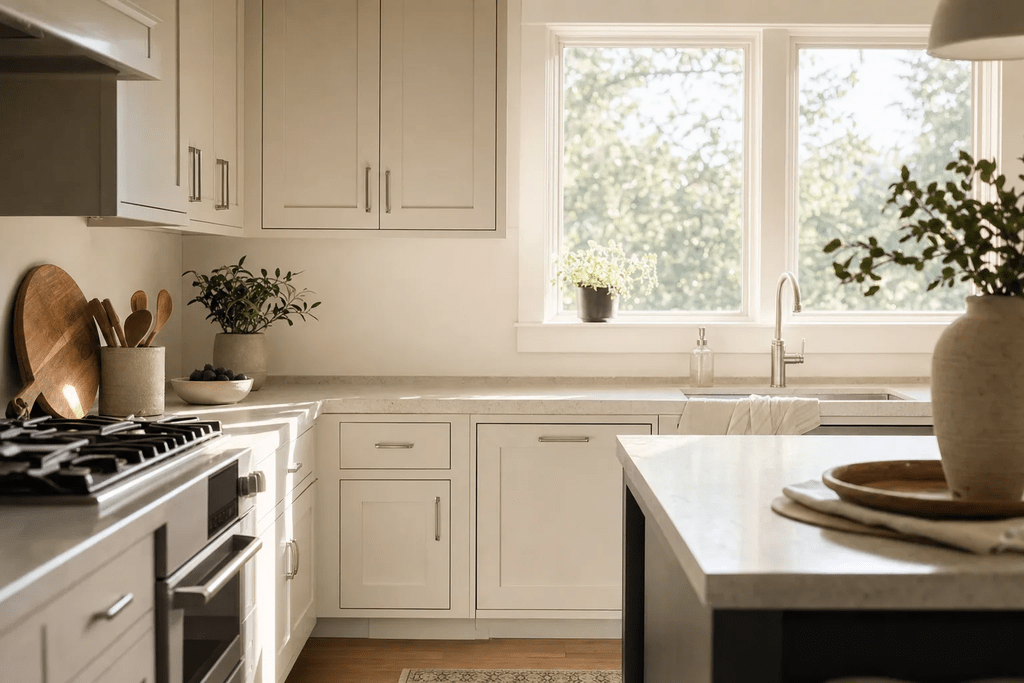
Cabinets occupy a large portion of the visible wall space in many kitchens, so changing their color can make a dramatic difference. A new finish can brighten a dark room, create a more modern appearance, or introduce a completely different design personality. Light shades can make the space feel open and airy, while deeper colors can add contrast and sophistication. Painting also makes it easier to coordinate older cabinetry with newer countertops, backsplashes, lighting, flooring, and hardware. Instead of investing in a complete replacement, homeowners may be able to achieve a substantial visual transformation by updating the existing cabinet surfaces.
Evaluating Cabinets Before Starting
Before beginning any painting project, the condition of the cabinets should be evaluated carefully. Solid wood, engineered wood, veneer, laminate, and other materials may require different preparation methods and coating systems. Homeowners should inspect doors, drawer fronts, frames, hinges, and cabinet boxes for cracks, water damage, loose joints, dents, or other problems. Minor imperfections can often be repaired before painting, but severely damaged cabinets may require replacement or more extensive restoration. Evaluating the cabinetry first helps determine whether painting is appropriate and allows potential problems to be addressed before new coatings are applied.
Establishing a Practical Project Plan
A successful cabinet makeover begins with organization. Before removing doors and hardware, homeowners should decide on the desired color, finish, application method, materials, workspace, and approximate schedule. Taking photographs of the existing cabinet arrangement can make reassembly easier later. Each door and drawer front can also be labeled according to its original position. A project plan helps prevent unnecessary delays and makes it easier to keep track of individual components. Planning is especially important for larger kitchens because dozens of doors, drawers, hinges, handles, and other pieces may need to be managed throughout the process.
Cleaning Cabinets Thoroughly
Kitchen cabinets collect grease, cooking oils, dust, food particles, and other residue through normal use. Even a thin layer of contamination can interfere with paint adhesion. Thorough cleaning is therefore one of the most important preparation steps. Appropriate cleaning or degreasing products should be selected according to the existing cabinet material and finish. Surfaces should be cleaned carefully around handles, corners, edges, and areas near cooking equipment where buildup may be greater. After cleaning, the cabinets need to dry completely before sanding or priming begins. A clean surface provides a much better foundation for the new coating system.
Removing Doors and Hardware
Removing cabinet doors and drawer fronts can make painting easier and help produce a more consistent finish. Detached pieces can be placed on stable work surfaces where all edges and detailed areas can be reached. Handles, knobs, hinges, and screws should be removed and organized carefully. Labeling each component can make reinstallation much easier, particularly when doors have slightly different dimensions or hinge placements. Painting components while they are removed also reduces the risk of accidentally applying paint to adjacent surfaces or hardware that was intended to remain unchanged.
Repairing Damage Before Painting
Painting should not be used to hide significant surface defects. Scratches, dents, cracks, holes, and loose joints should be evaluated before the coating process begins. Minor imperfections can often be repaired using suitable fillers or repair materials. Once repairs are complete, they should be sanded smooth so that they blend with the surrounding surface. Cabinet frames should also be checked for loose components or other structural concerns. Completing these repairs beforehand creates a smoother foundation and helps prevent imperfections from becoming even more visible once the new finish has been applied.
Sanding the Existing Finish
Sanding can help create a surface that allows primer and paint to bond effectively. The amount of sanding required depends on the original coating, material, and condition of the cabinets. The goal is generally to prepare the surface rather than unnecessarily remove large amounts of material. Special care should be taken with thin veneers and manufactured surfaces because aggressive sanding can damage the outer layer. After sanding, all dust should be removed thoroughly. Dust left behind can become trapped in primer or paint and produce rough or uneven areas in the finished surface.
Choosing the Appropriate Primer
Primer is an important part of many cabinet painting systems because it helps improve adhesion and provides a consistent base for the topcoat. The correct primer should be compatible with the existing surface and the selected paint. Some cabinet materials and finishes can be particularly difficult to coat, making product compatibility especially important. A suitable primer can also help reduce the appearance of stains, discoloration, or previous finishes. Homeowners should follow the manufacturer’s instructions for application, drying, ventilation, and recoating. Proper priming can make a noticeable difference in both appearance and durability.
Selecting High-Quality Paint
Cabinet surfaces are subjected to much more handling than ordinary walls, so paint designed for high-use areas is generally preferable. A suitable product should provide good adhesion, durability, cleanability, and resistance to everyday wear. The selected paint should also work properly with the chosen primer. Homeowners should consider the expected level of use when choosing a coating system. A busy kitchen may require a more durable finish than a space that receives limited use. Selecting the right product at the beginning can reduce the likelihood of premature peeling, chipping, or visible wear.
Choosing the Right Color
Color selection can completely change the mood of a kitchen. White and cream can create a bright and timeless appearance, while gray can offer a sophisticated neutral option. Blue, green, black, and other colors can introduce stronger visual character. When choosing a cabinet color, homeowners should consider existing countertops, floors, walls, appliances, backsplashes, and natural or artificial lighting. Small samples should be viewed at different times of day because lighting can significantly change how colors appear. Testing a few options before committing to one can help prevent disappointment after the entire kitchen has been painted.
Selecting a Suitable Finish
The paint finish affects both the appearance and practical maintenance of the cabinets. Different finishes reflect different amounts of light and can emphasize or soften surface characteristics. Satin and semi-gloss options are often considered practical for surfaces that need regular cleaning, while other finishes may be selected for specific design preferences. Glossy surfaces can create a striking appearance but may make imperfections more noticeable. Homeowners should consider cleaning requirements, household activity, desired style, and the condition of the cabinet surfaces when selecting the final finish.
Choosing the Application Method
The method used to apply paint can influence the texture and overall appearance of the finished cabinets. Brushes can provide excellent control around edges and detailed sections, while rollers can be useful for larger flat surfaces. Sprayers may create an exceptionally smooth finish when used correctly and under controlled conditions. Regardless of the method, consistent application is important. Thin coats are generally preferable to heavy layers because excessive paint can produce drips, runs, uneven texture, and extended drying times. Proper technique requires patience and careful attention to each surface.
Creating a Clean Painting Environment
The painting environment can have a major influence on the final result. Cabinet doors should be placed on clean, stable surfaces where they can remain undisturbed while drying. The work area should be protected from dust, dirt, accidental spills, and other contaminants. Adequate ventilation should be maintained when using coatings and cleaning products, following all applicable product instructions. A controlled workspace can help prevent dust particles from becoming trapped in wet paint. It also makes it easier to maintain a consistent application process from the first door to the final cabinet frame.
Applying Multiple Thin Coats
One heavy coat may seem like a faster solution, but it can create more problems than it solves. Multiple thin coats generally provide better control and more consistent coverage. Each coat should be allowed to dry according to the manufacturer’s recommendations before the next one is applied. Rushing the process can cause sticking, uneven texture, soft surfaces, or other finish defects. Between coats, surfaces can be inspected for small imperfections or areas requiring additional attention. Taking the time to build the finish gradually can result in a cleaner and more durable appearance.
Allowing Proper Drying and Curing
Drying does not always mean that paint has reached its full hardness. Cabinet coatings may require additional curing time before they can withstand normal use. Doors and drawers should be handled carefully during this period, and newly painted surfaces should not be subjected to unnecessary friction, moisture, or aggressive cleaning. Following the manufacturer’s curing recommendations is essential. Reinstalling components too early can result in sticking, marks, or damage to the finish. Patience during the curing stage protects the work completed during the earlier preparation and painting stages.
Updating Cabinet Hardware
Freshly painted cabinets can look even more impressive when paired with updated hardware. Knobs, pulls, handles, and hinges can contribute significantly to the overall style of a kitchen. Modern hardware can complement contemporary cabinet colors, while traditional options can support a more classic appearance. If new hardware requires different holes, measurements should be taken carefully before drilling. Existing hardware can also be cleaned and reused if it remains in good condition. Small changes to hardware can provide a finishing touch that makes the cabinet update feel more complete.
Coordinating Cabinets With Countertops
The relationship between cabinets and countertops is important to the overall appearance of the kitchen. A cabinet color should complement rather than compete with the countertop pattern and color. Neutral cabinets can allow distinctive countertops to become a focal point, while simpler countertops may provide flexibility for stronger cabinet colors. Homeowners should consider samples together whenever possible. Viewing individual materials separately can make it difficult to understand how they will interact once installed. Coordinating the major surfaces helps create a balanced and cohesive design.
Considering the Backsplash
A backsplash provides another opportunity to complement freshly painted cabinetry. Tile, stone, glass, and other materials can introduce color, texture, and visual interest. The backsplash should work with both the cabinet color and countertop rather than creating unnecessary competition between surfaces. Simple cabinet colors can support more distinctive backsplash designs, while patterned cabinets may benefit from a quieter surrounding palette. Practical considerations are important as well because kitchen backsplashes are exposed to moisture, food particles, and grease and should therefore be reasonably easy to maintain.
Improving Kitchen Lighting
Lighting can influence how painted cabinets look throughout the day. Natural light may make certain colors appear warmer or cooler, while artificial lighting can change the perceived tone of a finish. Updating lighting during a cabinet makeover can therefore enhance the overall result. Under-cabinet lighting can also highlight countertops and provide useful task illumination. Ceiling fixtures, pendant lights, and accent lighting can contribute to the atmosphere of the room. Considering lighting before finalizing a cabinet color can help homeowners make more confident design decisions.
Deciding Between DIY and Professional Work
Some homeowners enjoy completing painting projects themselves, while others prefer professional assistance. A do-it-yourself project may provide greater control over the schedule and can be rewarding for people with appropriate experience. However, cabinetry requires detailed preparation and careful application, and the number of components can make the process time-consuming. Professional painters can provide specialized knowledge, equipment, and experience with surface preparation and finish application. The right choice depends on the size of the project, available time, skill level, desired finish, and budget.
Common Mistakes to Avoid
Several mistakes can reduce the quality of a cabinet painting project. Painting over greasy surfaces, skipping necessary preparation, using incompatible primer, applying thick coats, and failing to allow sufficient curing time are frequent problems. Poor organization can also lead to incorrectly reinstalled doors or missing hardware. Another mistake is selecting a color without testing it in the actual kitchen lighting. Avoiding these issues requires planning and patience. The visible painting stage is only one part of the process; preparation and finishing are equally important to achieving professional-looking results.
Maintaining Painted Cabinets
Regular maintenance can help preserve freshly painted cabinets. Surfaces should be cleaned using methods appropriate for the selected coating. Abrasive cleaners and harsh chemicals should be avoided unless specifically recommended by the product manufacturer. Spills, grease, and food residue should be removed promptly rather than being allowed to accumulate. Hardware should also be checked periodically for looseness. Gentle and consistent cleaning can help protect the finish and maintain the appearance of the cabinets over time.
Handling Scratches and Minor Chips
Normal household use can eventually produce small scratches, chips, or other signs of wear. Minor damage is easier to manage when addressed early. Homeowners may wish to retain some leftover paint for future touch-ups, provided it is stored correctly and remains suitable for use. Before repairing a damaged area, the surface should be cleaned and prepared appropriately. Touch-up paint should match the original color and finish as closely as possible. Prompt attention to minor damage can help prevent small imperfections from becoming more noticeable.
Understanding Long-Term Durability
The lifespan of a painted cabinet finish depends on many factors, including surface preparation, product quality, application technique, curing, cabinet material, and everyday usage. Areas around sinks, cooking surfaces, and frequently handled doors may experience more wear than less-used sections. Proper maintenance can extend the useful life of the finish. Homeowners should also recognize that painted cabinets require reasonable care even when high-quality products have been used. A durable finish is a combination of good materials, skilled preparation, appropriate application, and consistent maintenance.
Balancing Cost and Value
One of the main attractions of painting existing cabinets is the opportunity to change their appearance without completely replacing them. However, the total project cost depends on the size and condition of the cabinetry, preparation requirements, repairs, materials, labor, and desired finish. Homeowners should compare the expected investment with the condition of the existing cabinets and the goals of the renovation. If the cabinetry is structurally sound and the layout already functions well, painting can provide substantial visual value. If the cabinets are severely damaged or the layout is unsuitable, replacement may be more appropriate.
Making the Kitchen Feel More Modern
A fresh cabinet color can make an older kitchen feel significantly more current. Combining updated cabinet finishes with modern hardware, improved lighting, simple decorative elements, and coordinated surfaces can create a cohesive appearance. Homeowners do not necessarily need to follow every design trend to achieve a contemporary look. Timeless colors, clean lines, practical storage, and durable materials can often provide a result that remains appealing for many years. The most successful design choices are those that balance current preferences with long-term practicality.
Protecting the Investment
Once the cabinet project is finished, homeowners should treat the new surfaces carefully during the first few weeks while the coating reaches its full hardness. Doors and drawers should be operated gently, and excessive moisture should be avoided. Long-term care should include regular cleaning, periodic hardware checks, and prompt attention to minor damage. These simple practices can protect the investment and help maintain the fresh appearance. Proper care also reduces the likelihood that another major refinishing project will be required sooner than expected.
When Cabinet Painting May Not Be Suitable
Painting is not always the best solution for every kitchen. Cabinets with serious structural damage, extensive water deterioration, badly damaged materials, or unsuitable surfaces may require replacement. Painting also cannot correct an inefficient layout or create additional storage where the underlying design lacks space. Homeowners should therefore evaluate both the physical condition and functionality of the cabinetry before deciding. If the cabinets are strong and the layout works well, painting can be an effective update. If major structural or functional problems exist, a broader renovation may provide better long-term value.
Final Thoughts
Cabinet painting can provide a practical and visually impressive way to refresh a kitchen without completely replacing existing cabinetry. The success of the project depends heavily on proper cleaning, repairs, sanding, priming, paint selection, application, drying, and curing. Choosing an appropriate color and finish can dramatically change the atmosphere of the room, while updated hardware, lighting, countertops, and backsplash materials can help complete the transformation. Whether the work is completed personally or with professional assistance, careful planning and attention to detail are essential. When existing cabinets are structurally sound, a well-executed painting project can create a fresh, attractive, and functional kitchen that remains enjoyable for years to come.