The Best Fashion Icons to Know
Why Fashion Icons Still Shape What We Wear
The most important fashion icons are the people whose personal style changes how others dress, shop, and see themselves. Look for a clear signature, cultural influence, and lasting relevance – not simply fame or a viral outfit.
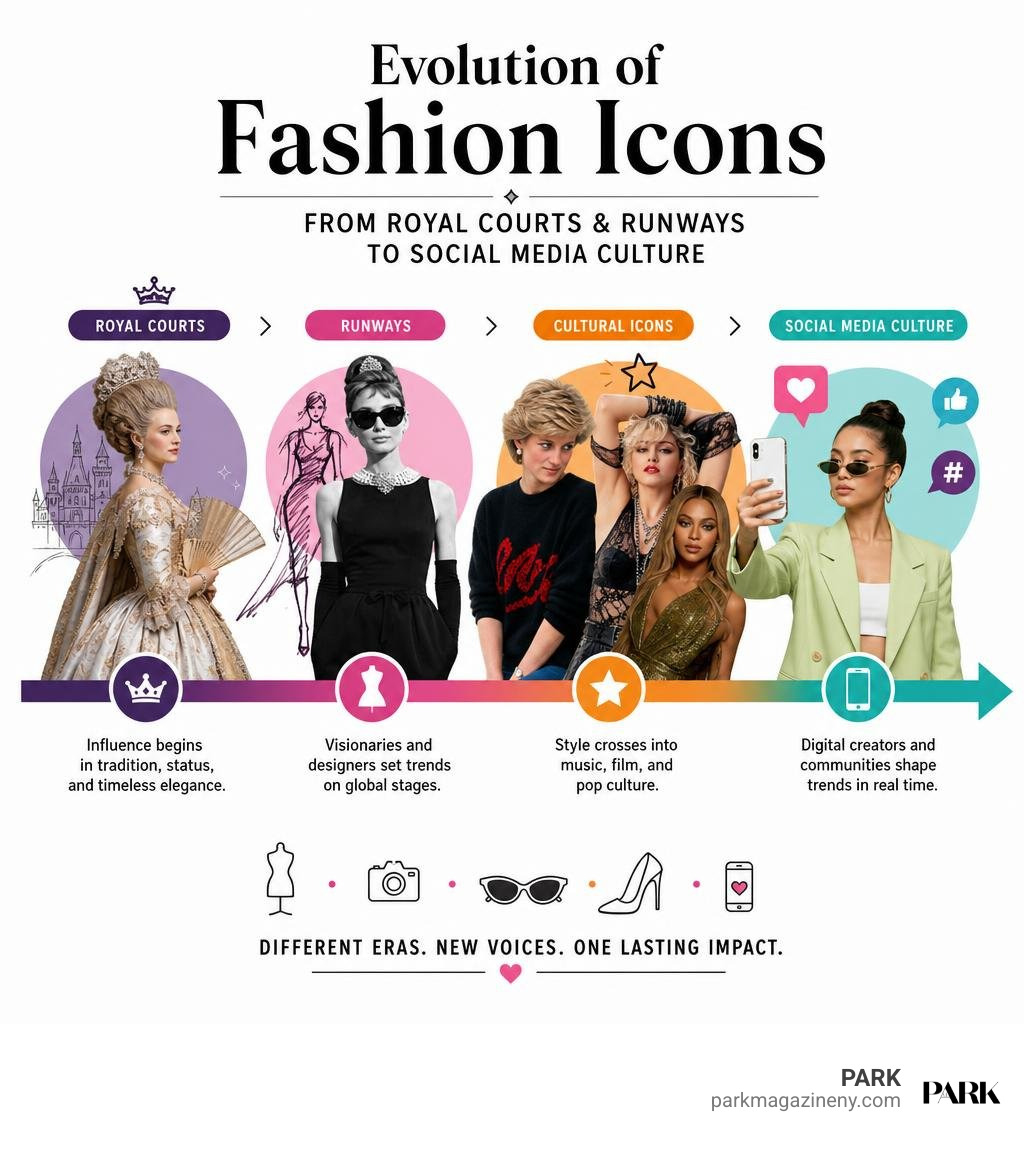
From Coco Chanel’s little black dress to Princess Diana’s Black Sheep sweater and Madonna’s bold stagewear, the strongest style leaders turn clothing into a shared cultural reference. Their influence can come from a runway, a royal appearance, a music video, a photograph, or now, a social feed.
Fashion leadership has also widened over time. It once centered on royal courts and elite designers. Today, designers, models, musicians, athletes, and digital creators can all shape the conversation – often in collaboration with stylists, photographers, and brands. This list highlights the figures whose looks did more than capture attention: they shifted fashion’s direction.
I am W.A. Muller, and I will guide you through the style legends, signature pieces, and cultural forces that made these names endure.
Fashion icons terms to learn:
Defining the Enduring Power of Fashion Icons

To truly understand what elevates an individual into a legendary style leader, we have to look past momentary internet virality. A fleeting trend captures attention for a weekend; an icon alters the visual lexicon of an entire generation. Historically, before modern red carpets existed, early style pioneers were known as “fashion leaders.” These individuals possessed the social standing, daring vision, and personal magnetism required to introduce silhouettes that trickled down through society until they redefined everyday life.
From historical royal courts to today’s metropolitan avenues, fashion has always operated as a vivid mirror of sociopolitical shifts. Mughal empress Nur Jahan introduced intricate silver-threaded brocades and the graceful nurmahali dress, permanently shaping South Asian textile heritage. In eighteenth-century France, Queen Marie Antoinette and later Empress Joséphine transformed garments into overt political statements—whether through lavish court excess or neoclassical muslin gowns. In nineteenth-century Britain, Beau Brummell discarded powdered wigs and ornate ruffles in favor of impeccably tailored dark coats and clean linen, effectively inventing modern menswear.
As women entered corporate boardrooms and political arenas in the twentieth century, style became an instrument of authority. The rise of power dressing—exemplified by figures like Margaret Thatcher, who treated structured tailoring and sharp lapels as armor—showed how wardrobe choices communicate institutional strength.
Understanding this evolution helps us appreciate how to wear vintage without looking stuck in the past, allowing us to reinterpret classic silhouettes through a contemporary lens.

Legendary Runway Pioneers and Groundbreaking Designers
Supermodels and Runway Fashion Icons Across Decades
The runway has produced figures whose presence transcends the clothes they model. These women transformed the art of walking into living sculpture, proving that how a garment moves can define an era.
Twiggy (Lesley Lawson) The face of the 1960s Mod revolution, Twiggy challenged post-war conventions with her gamine crop, painted lashes, and sharp shift dresses. She proved that style could celebrate youth, playfulness, and subcultural energy rather than just elite formality.
Naomi Campbell With an unmatched runway walk and fierce elegance, Naomi broke racial barriers across global couture houses. Her collaboration with visionary image-makers cemented the supermodel era as a dominant cultural force.
Claudia Schiffer The quintessential German beauty defined 1990s glamour. Discovered in Düsseldorf, Claudia became Karl Lagerfeld’s ultimate muse at Chanel. Today, she curates major exhibitions celebrating 1990s fashion photography, collaborating with artists like Richard Avedon and Nick Knight to document the era that redefined high fashion.
Kate Moss Few figures maintain cultural relevance across decades quite like Kate Moss. Rising as the antithesis of the polished glamazon, Kate ushered in 1990s minimalism and bohemian street cool. At 52, she remains an unmatched tastemaker—recently closing the Gucci autumn/winter 2026 show in Milan and channeling old Hollywood glamour in high-fashion editorials.
Visionary Designers Who Defined Era-Shifting Aesthetics
Designers who become style icons in their own right do so by living their creative ethos. They construct complete universes through their personal aesthetic and daring runway visions.
Coco Chanel Gabrielle “Coco” Chanel liberated womenswear from corsetry, introducing comfortable jersey fabrics, fluid trousers, and the indispensable little black dress. Her work established the foundation for the must-have dresses every woman needs in her wardrobe, proving that true elegance lies in freedom of movement.
Donatella Versace Taking over the helm of the storied Italian fashion house following the tragic murder of her brother Gianni, Donatella Versace defied expectations to become a fashion icon of her own | Versace | The Guardian . Over nearly three decades of creative leadership, her platinum blonde hair, daring silhouettes, and bold glamour made her as recognizable as the brand itself.
Valentino Garavani and Giancarlo Giammetti Masters of Roman couture and timeless sophistication, Valentino Garavani alongside his longtime partner Giancarlo Giammetti spent decades dressing global high society. Their lifetime contribution was celebrated at the WWD Honors, where they received the prestigious John B. Fairchild Honor.
Willy Chavarria Redefining contemporary menswear from New York, Willy Chavarria blends exaggerated Pachuco tailoring, classic workwear, and Chicano heritage with high-fashion luxury. Honored as Menswear Designer of the Year at the WWD Honors, his runway presentations demonstrate how heritage and advocacy can transform runway aesthetics.
Royal Figures and Pop Culture Trendsetters
Royal Elegance and Heritage Dressing
Royal style figures have long influenced international retail markets, turning diplomatic engagements and casual weekend outings into global fashion moments.
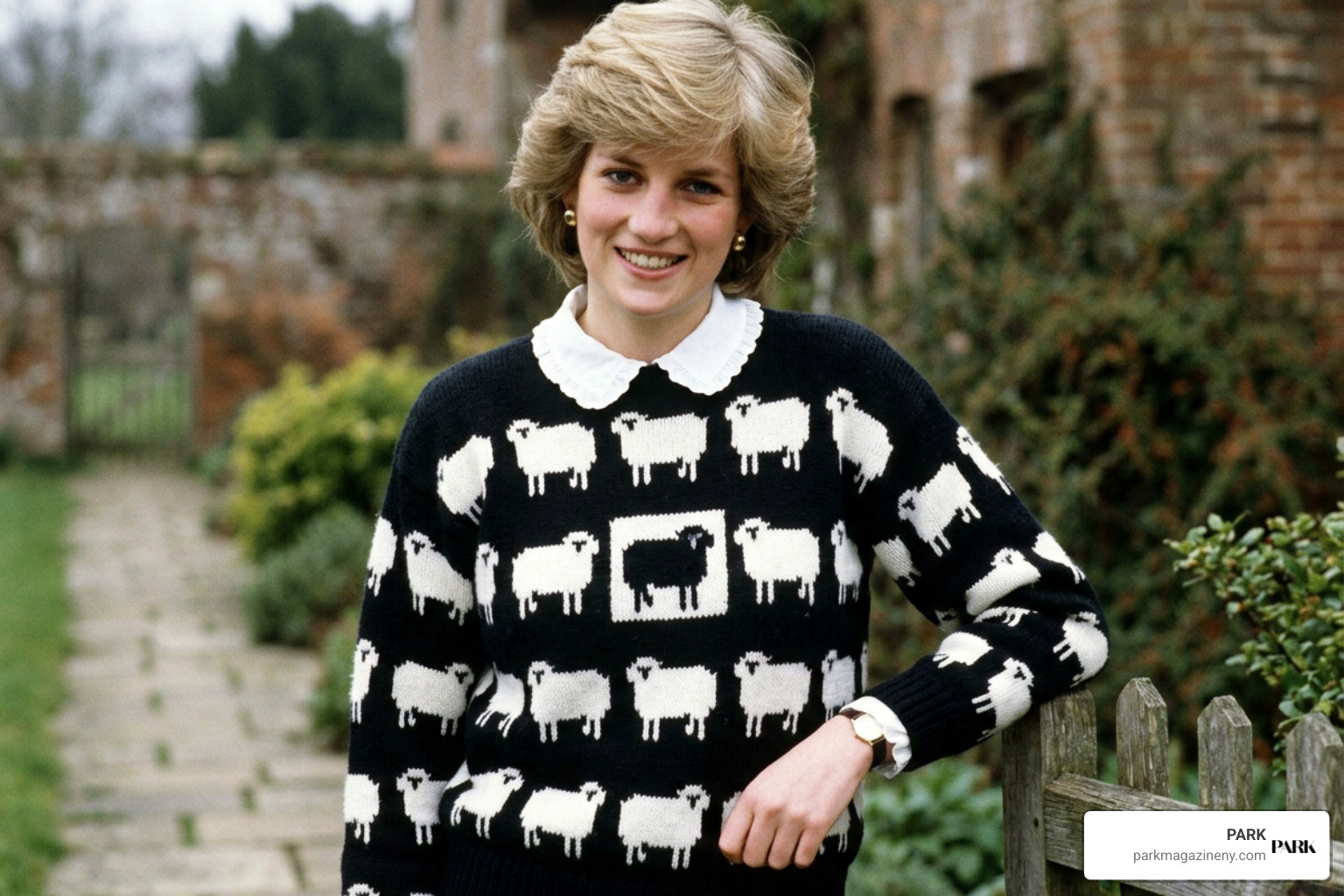
Princess Diana Lady Diana Spencer transformed royal dressing into a powerful medium of self-expression. From her voluminous bridal gown to the sculptural “revenge dress” worn in 1994, Diana navigated public life through clothing. Her playful Warm & Wonderful “Black Sheep” knit sweater, worn in 1981, made international headlines when the original piece was rediscovered in an attic and presented at Sotheby’s historic ‘Fashion Icons’ auction, reminding her unmatched charm.
Jacqueline Kennedy Onassis Jackie Kennedy established the modern visual template for American political elegance. With her boxy pastel suits, pillbox hats, oversized sunglasses, and effortless seaside ensembles, she captured an aura of modern aristocracy that remains a gold standard of American style.
Meghan Markle, Duchess of Sussex Bringing modern Californian minimalism to royal protocols, Meghan Markle quickly became an international style powerhouse. Her tailored trenches, monochrome knitwear, clean denim pairings, and support for independent, sustainable labels established a relatable, contemporary template for royal fashion.
Modern Pop Culture and Streetwear Fashion Icons
When pop music icons, media visionaries, and digital trendsetters adopt high fashion, they shift trends overnight, blending luxury couture with raw street style.
Madonna The undisputed queen of reinvention, Madonna made provocative stagewear a central pillar of pop iconography. From her 1980s lace-and-leather street style to the Jean Paul Gaultier cone bra on the Blond Ambition tour, she has continuously challenged social norms. At 67, her magnetic presence at Dolce & Gabbana’s Fall/Winter runway showcase during Milan Fashion Week reaffirmed her status as a muse for Italian luxury.
Lady Gaga Stefani Germanotta redefined celebrity red-carpet appearances as immersive performance art. Collaborating with avant-garde fashion houses, Gaga moves effortlessly from theatrical runway experiments to timeless Hollywood glamour, challenging expectations at every turn.
Hailey Bieber A master of high-low streetwear, Hailey Bieber defines modern everyday luxury. Whether she is styling an oversized vintage coat with contemporary designer accessories, pairing relaxed tailoring with sleek footwear, or showcasing why custom name necklaces have become a modern jewelry staple, her outfits spark instant viral demand. Her signature travel ensembles show fashion enthusiasts how to track down a celebritys outfit online to recreate effortless off-duty silhouettes.
Kim Kardashian Kim Kardashian leveraged digital platforms and media prominence to redefine modern beauty standards and body silhouettes. By popularizing monochrome neutrals, curve-accentuating catsuits, and sculptural shapewear, she built an empire that reshaped global retail markets.
The Blueprint of Iconic Style and Future Influence
What separates an enduring style icon from someone who simply wears expensive garments? The answer lies in consistency, narrative, and the strategic embrace of signature silhouettes.
| Era / Style Leader | Defining Garment / Aesthetic | Cultural & Sociopolitical Impact | Lasting Legacy in Modern Fashion |
|---|---|---|---|
| 1920s: Coco Chanel | Little Black Dress, Tweed Jacket | Liberated women from restrictive corsets; democratized elegance | The foundation of modern minimalist workwear and cocktail attire |
| 1960s: Twiggy | A-Line Mod Shift Dress, Color-Blocking | Celebrated youth-driven subculture over aristocratic salon formality | Continues to inspire geometric tailoring and retro styling |
| 1980s: Princess Diana | “Black Sheep” Sweater, Off-Duty Bike Shorts | Humanized royal figures; pioneered relatable streetwear styling | Provenance collecting; frequent high-end label reissues |
| 1990s: Kate Moss | Slip Dress, Minimalist Tailoring | Challenged high-octane glamour with stripped-back realism | The enduring template for effortless off-duty model street style |
| 2020s: Willy Chavarria | Exaggerated Pachuco Tailoring | Celebrates Chicano pride, queer culture, and inclusive menswear | Redefining classic luxury tailoring through cultural heritage |
To achieve iconic status, an outfit must become a cultural touchstone. We see this consistently in 7 designer fashion pieces that became status symbols beyond the runway, where exceptional design merges with the charisma of the wearer.
Behind every great icon sits a network of visionary image-makers. Stylists, creative directors, and photographers craft the visual context that transforms an outfit into history. When Richard Avedon photographed Claudia Schiffer or Nick Knight captured Kate Moss, they were not simply documenting clothes; they were creating iconography.
As we look toward the future of style, digital democratization and sustainability have shifted the landscape. Today’s emerging icons earn respect not by wearing endless new garments every day, but by demonstrating personal authenticity, rewearing archival pieces, and blending vintage finds with conscious modern design.
Frequently Asked Questions About Style Legends
What defines a true style icon versus a temporary trendsetter?
A temporary trendsetter adopts whichever styles are currently popular across commercial retail channels or algorithmic social feeds. In contrast, a true style icon possesses a distinct, recognizable aesthetic that remains consistent regardless of passing fads. Their wardrobe choices often challenge prevailing norms, influence how designers construct future collections, and retain cultural resonance across decades.
How do stylists and photographers help create iconic personas?
Stylists act as visual curators who translate a personality’s essence into a coherent wardrobe narrative. Photographers capture that presentation in lighting and composition that elevate garments into art. This creative synergy—seen in historic partnerships between legendary designers, muses, and editorial photographers—turns an individual look into a timeless visual statement.
Why do specific garments worn by style leaders remain valuable decades later?
Garments worn by major cultural figures carry historical provenance and emotional resonance. When a notable figure wears a piece during a pivotal life moment—such as Princess Diana’s Warm & Wonderful knitwear or Jacqueline Kennedy’s tailored suits—the garment becomes an artifact of that cultural milestone. Collectors, archives, and museums preserve these pieces because they document moments of social and artistic transformation.
Conclusion
The enduring influence of style legends reminds us that true elegance is never about chasing every passing trend. The figures who leave a permanent mark on culture are those who use wardrobe choices to express their identity with confidence, clarity, and authenticity. Whether drawing inspiration from royal heritage, vintage tailoring, or modern streetwear, studying their approaches helps us refine our own everyday ensembles.
For more style perspectives, runway critiques, and cultural commentary from New York and beyond, explore PARK Ave Magazine’s curated fashion coverage.