Sustainable Self-Service: Why Modular Kiosk NZ Designs are the 2026 Green Standard
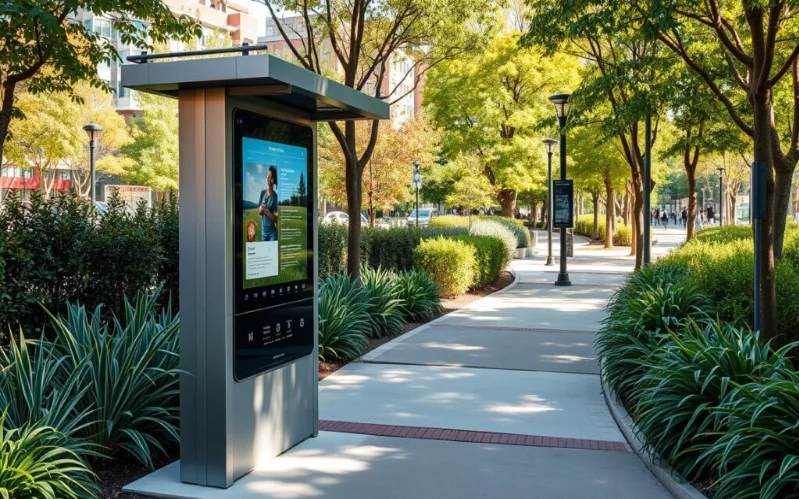
When businesses talk about sustainability, conversations often focus on packaging, food waste, or energy-efficient appliances. Yet one area is quietly becoming a major contributor to environmental responsibility: self-service technology. In 2026, the conversation around kiosk NZ solutions is no longer just about convenience and operational efficiency. It is increasingly about longevity, adaptability, and reducing unnecessary waste.
The traditional approach to technology often followed a simple cycle: install, use, replace. But businesses are now looking for smarter investments that can evolve with changing needs rather than ending up in landfill after a few years.
This is where modular kiosk designs are changing the game. By allowing components to be upgraded, repaired, or reconfigured without replacing the entire unit, modular systems are helping restaurants and retailers align operational goals with sustainability objectives.
According to the United Nations Global E-Waste Monitor, the world generated over 62 million tonnes of electronic waste in 2022, with only a fraction formally recycled.
Reducing technology waste is becoming an increasingly important part of responsible business operations.
1. Modular Design Extends Technology Lifecycles
One of the biggest sustainability advantages of modular kiosks is their ability to remain relevant for longer.
Unlike fixed systems that require complete replacement when technology changes, modular kiosks allow businesses to update individual components.
Benefits include:
- Screen upgrades without replacing the entire kiosk
- Payment terminal replacements when standards evolve
- Easier hardware repairs
- Reduced electronic waste
- Lower long-term ownership costs
Traditional vs Modular Approach
| Traditional Kiosk | Modular Kiosk |
| Full replacement required | Individual components upgraded |
| Higher waste generation | Reduced waste output |
| Greater long-term costs | Improved lifecycle value |
| Limited flexibility | Adaptable over time |
Extending product lifecycles is one of the most effective ways businesses can reduce environmental impact while improving return on investment.
This longevity naturally leads to another important sustainability benefit: resource efficiency.
2. Smarter Resource Use Supports Sustainability Goals
Every new piece of hardware requires raw materials, manufacturing, transport, and installation.
Modular systems help minimise unnecessary resource consumption by allowing businesses to retain much of the original infrastructure.
Key advantages include:
- Reduced material usage
- Lower manufacturing demand
- Fewer replacement units entering waste streams
- Less disruption during upgrades
- Improved operational continuity
According to the Ellen MacArthur Foundation, extending product life is one of the core principles of a circular economy model.
The less frequently businesses replace equipment, the fewer resources are consumed over time.
While sustainability is important, businesses also need solutions that remain practical and adaptable.
3. Flexibility Helps Businesses Adapt to Change
One challenge facing hospitality businesses is the pace of technological change.
Customer expectations evolve quickly. Payment methods change. Software requirements increase.
Modular systems provide flexibility through:
- Expandable hardware configurations
- New payment integrations
- Future software compatibility
- Adaptable layouts
- Easier technology upgrades
Rather than starting from scratch every few years, businesses can adapt existing infrastructure to meet new demands.
This flexibility benefits both the environment and the bottom line. As adaptability improves, operational efficiency often follows suit.
4. Energy Efficiency Becomes a Competitive Advantage
Sustainability is not just about reducing waste. Energy consumption also plays a significant role.
Modern kiosk designs increasingly prioritise energy-efficient performance. Features often include:
- Low-power displays
- Smart sleep modes
- Efficient processing systems
- Reduced heat generation
- Automated power management
Energy-Saving Features
| Feature | Potential Benefit |
| Sleep mode functionality | Reduced idle energy use |
| LED displays | Lower power consumption |
| Smart scheduling | Automatic shutdown periods |
| Efficient processors | Improved performance per watt |
The International Energy Agency continues to emphasise the importance of energy efficiency as one of the fastest ways to reduce environmental impact.
Reducing energy consumption creates operational savings while supporting sustainability targets. The environmental benefits become even stronger when digital experiences replace paper-based processes.
5. Digital Experiences Reduce Operational Waste
Restaurants and hospitality venues generate significant amounts of paper waste. Menus, promotional materials, order forms, and printed updates often require regular replacement.
Modern kiosk NZ solutions help reduce this reliance on printed materials.
Examples include:
- Digital menus
- Real-time pricing updates
- Promotional displays
- Interactive product information
- Electronic receipts
This shift creates several benefits:
- Less paper consumption
- Reduced printing costs
- Faster content updates
- Improved information accuracy
- Greater operational flexibility
While digital solutions won’t eliminate all paper usage, they can significantly reduce waste across daily operations. As digital transformation continues, customer expectations are evolving as well.
6. Customers Increasingly Value Sustainable Businesses
Sustainability is no longer simply an operational consideration. It has become part of the customer experience.
Research from IBM’s Institute for Business Value found that many consumers consider environmental responsibility when making purchasing decisions.
Customers increasingly appreciate businesses that demonstrate:
- Responsible resource use
- Waste reduction initiatives
- Sustainable operational practices
- Long-term environmental commitments
While customers may not always notice a kiosk’s technical specifications, they often recognise businesses that make thoughtful choices about sustainability.
These choices can strengthen brand perception while supporting broader environmental goals. The final piece of the puzzle is future readiness.
Future-Proof Technology Reduces Long-Term Waste
One reason electronic waste accumulates so rapidly is that technology often becomes obsolete before it physically wears out. Modular designs help address this challenge.
Future-proof systems support:
- Software updates
- Hardware expansion
- Emerging payment technologies
- New customer interaction methods
- Operational scalability
Rather than becoming outdated, the system evolves alongside the business. This approach aligns financial sustainability with environmental sustainability, creating value on multiple levels.
Final Thoughts
Sustainability in 2026 extends far beyond recycling bins and reusable packaging. Technology decisions are becoming increasingly important for environmental responsibility.
Modern kiosks in NZ are built around a modular design that helps businesses reduce waste, improve resource efficiency, lower energy consumption, and adapt to future needs without constant replacement.
For restaurants and hospitality businesses looking to balance innovation with sustainability, modular kiosks are proving that smarter technology can also be greener technology.