Is Boulder Real Estate A Smart Investment in 2026 or Just Hype?
Boulder’s median home price sits above $950,000. Interest rates are still elevated. And yet, investors keep asking the same question: is this market worth entering in 2026, or have prices simply gone too far?
Here is what the data actually shows. Boulder has not had a single decade of negative appreciation in over 30 years. The city cannot build outward due to permanent open space laws. And high-income professionals from San Francisco, Seattle, and New York are still choosing to relocate here. That is not a hype story. That is a supply-demand reality that has quietly made Boulder Colorado Real Estate one of the most resilient markets in the entire country.
This guide breaks down exactly who should invest, who should not, and what the numbers say right now.
Why Boulder Is Not Like Other U.S. Markets?
Boulder’s real estate market stands apart from the rest of the U.S. because of tight geographical limits, permanent growth boundaries, and a strong base of wealthy buyers who are largely unaffected by interest rate swings – factors that shield the market from national boom-bust cycles and keep property values at a consistent premium.
Most cities can solve a housing shortage by building outward. Boulder cannot. The city is physically and legally contained, as the Rocky Mountains to the west, and decades of voter-approved open space purchases on every other side that permanently prevent sprawl.
Beyond geography, several structural forces keep Boulder Real Estate demand consistently high:
- Capped supply: no suburban expansion is possible, making existing inventory genuinely scarce
- University of Colorado: creates a permanent, renewable base of students, faculty, and research professionals
- Employer base: a dense cluster of tech, biotech, and aerospace companies anchors high-income employment
- Lifestyle premium: Boulder has ranked among America’s most desirable cities for over a decade, drawing relocating professionals from coastal markets
These are not cyclical advantages. They are baked into the city’s structure, and they directly protect property values over time.
Boulder vs Denver vs National: 2026 Numbers at a Glance
| Metric | Boulder | Denver | National Average |
| Median Home Price | ~$950K+ | ~$580K | ~$420K |
| Price Per Sq Ft | High | Moderate | Low-Moderate |
| Days on Market | Low (tight) | Moderate | Moderate-High |
| Long-Term Rental Demand | Very Strong | Strong | Varies |
| Short-Term Rental Rules | Restricted | Moderate | Varies |
Table 1: This table compares Boulder’s median home price, days on market, and rental demand against Denver and the national average to show exactly where Boulder stands in 2026.
A few things stand out when looking at these numbers carefully when talking about Boulder Real Estate. Inventory has improved slightly compared to the peak pandemic years, but Boulder remains far from a buyer’s market. Well-priced homes in desirable neighborhoods are still moving quickly.
Additionally, long-term rental demand remains strong, driven by the university, employer base, and ongoing relocation from higher-cost cities.
Strong Reasons to Invest in Boulder Right Now
The long-term appreciation track record here is one of the strongest of any mid-sized American city. Over the past two decades, Boulder values have climbed steadily through corrections that erased gains elsewhere. Moreover, the reasons behind that trend have not weakened.
Scarcity is permanent: Every buyer competing for property here is competing for a genuinely finite resource, and that dynamic consistently supports prices over time.
Relocation demand is holding: High earners from San Francisco, Seattle, and New York have continued moving to Boulder because the lifestyle is exceptional and the cost of living in Boulder Colorado, while high by Colorado standards, is still dramatically lower than coastal metros. That migration keeps demand elevated in ways that benefit long-hold property owners
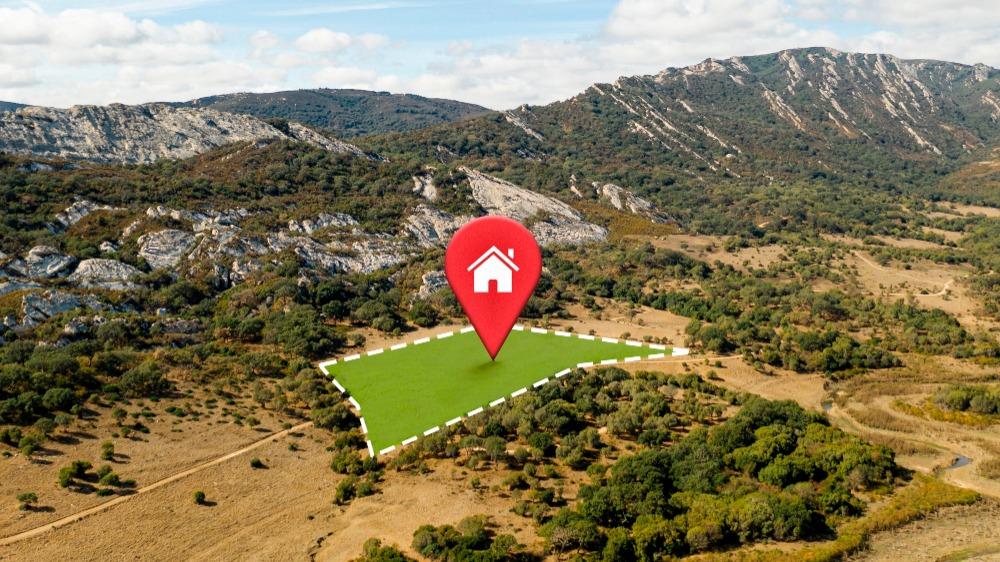
Here are some really strong reasons you can consider to invest in Boulder right now:
- Limited Housing Supply and High Entry Costs
- A Booming Tech and Innovation Economy
- Sundance Film Festival Comes to Boulder
- One of the Most Livable Cities in the Country
- Smart Buying Opportunities for the Right Investor
Neighborhoods worth watching in 2026:
In 2026, investors are targeting Boulder for its walkability, rezoning opportunities, and short-term rental potential, with Boulder Junction, East Boulder, and North Boulder standing out as the top neighborhoods for long-term equity and upcoming development value.
- East Boulder: more attainable entry points, strong rental demand, close to tech corridors
- North Boulder: established neighborhood with steady appreciation and lifestyle appeal
- Properties with ADU potential: Boulder’s policy environment has become more favorable toward accessory dwelling units, adding income and resale value
Potential Risks Before You Invest in Boulder Real Estate
Investing in Boulder real estate comes with specific risks worth knowing upfront. Rental yields typically hover around 3.5%, making this far more of an equity-growth market than a cash-flow play. On top of that, investors must navigate strict SmartRegs energy-efficiency requirements, high HOA and insurance costs in wildfire-prone zones, and a fiercely competitive market where even starter homes are significantly overvalued.

In fairness, Boulder Real Estate is not the right investment for everyone. There are genuine challenges worth understanding before making a move.
| Risk Factor | What It Means in Practice |
| High entry cost | Median prices above $950K limit who can realistically enter this market |
| Elevated interest rates | Thin-margin deals are harder to make pencil out than in prior rate environments |
| STR restrictions | Boulder limits short-term rentals largely to owner-occupied primary residences |
| Remote work reversal | If major employers shift back to office-only, some demand pressure could ease |
Table 2: This table breaks down the four biggest risks and what each one actually means for an investor on the ground.
The short-term rental point deserves specific attention. If the strategy is building an Airbnb portfolio, Boulder will create significant friction. The city’s policies are among the most restrictive in Colorado on this front. Long-term rentals, however, remain a strong and legal path forward.
Who Should (and Should Not) Invest in Boulder Real Estate in 2026

Not every investor profile fits this market. Here is an honest breakdown:
Strong fit:
- Long-hold investors comfortable with a 5 to 10-year horizon
- Primary home buyers who want to build equity in a supply-constrained market
- Investors targeting long-term residential rentals near CU or employer hubs
- Buyers with ADU-eligible properties looking to add income potential
Tougher fit:
- Short-term flippers expecting quick turnaround gains
- Cash-flow-first investors who need strong immediate yield to make the numbers work
- Anyone dependent on short-term rental income as the primary return strategy
The property types worth focusing on right now include well-located single-family homes in established neighborhoods, condos near downtown or the Hill that attract long-term professional renters, and lots or homes with realistic ADU conversion potential.
The Verdict
Boulder real estate in 2026 is not hype. The fundamentals are real, the scarcity is structural, and the demand drivers are durable. Consequently, this market has repeatedly proven its ability to hold and grow value through cycles that punished less defensible markets.
That said, Boulder rewards patience over speed. It is a market built for long-term thinkers, not short-term traders.
Talk to a Local Expert Before You Decide!
Shad Phillips is a Boulder-based Realtor with REAL Broker, LLC, holds a Certified Mountain Area Specialist designation, and brings 11 years of experience to every transaction. As a local Boulder Real Estate agent, he has helped people doing exactly what you are doing right now, researching Boulder before making a move.
Whether the goal is finding the right neighborhood, understanding what a budget can realistically buy, or running the numbers on an investment property, Shad offers straightforward, no-pressure guidance from someone who lives and works in this market every day.
Explore the neighborhood guides and home search tools on this site, or reach out directly.
FAQs
Is Boulder Colorado real estate overpriced in 2026?
High, yes. Overpriced, no. Limited supply and durable demand keep values structurally supported even at premium price points.
What is the Boulder CO housing market like for short-term rentals?
Difficult. Boulder restricts STRs to owner-occupied primary residences. Long-term rentals are a far more practical strategy here.
Where can I find the best homes for sale in Boulder CO right now?
East Boulder and North Boulder offer the most accessible entry points in 2026 without sacrificing long-term upside.
Is Boulder a good place to live for people relocating from bigger cities?
Most people say yes. The cost of living in Boulder Colorado is high, but the quality of life, walkability, and outdoor access consistently justify it for high earners moving from coastal cities.
What are the pros and cons of living in Boulder, CO as a homeowner?
Some of the pros of living in Boulder are: strong appreciation, great lifestyle, stable economy. Conversely, you can consider some cons: high entry prices, strict rental rules, wildfire insurance costs, and SmartRegs compliance requirements.