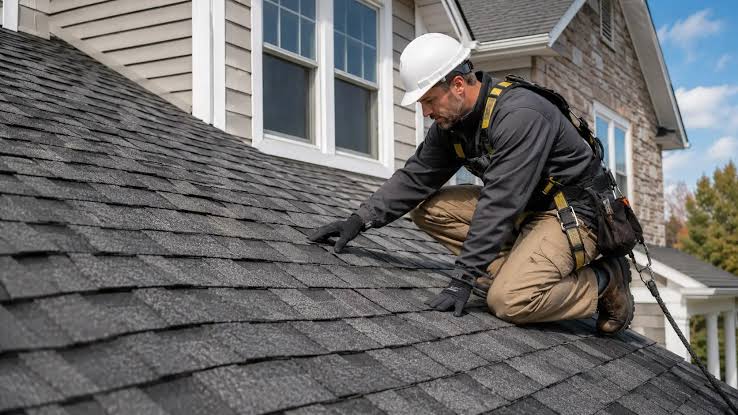
Shingle Roofing: A Reliable Approach to Long-Lasting Roof Protection
A roof is one of the most important protective systems on a property because it shields the structure and everything inside it from rain, wind, sunlight, moisture, debris, and changing temperatures. Among the many roofing materials available today, shingle roofing remains a practical and versatile choice for property owners who want dependable protection, attractive appearance, and manageable maintenance. Modern shingles are available in a wide range of styles, colors, textures, and performance levels, allowing them to complement different architectural designs while providing an effective barrier against everyday weather exposure. However, the long-term performance of a shingle roof depends on much more than the shingles themselves. Proper roof preparation, underlayment, flashing, ventilation, drainage, fastening, installation, and maintenance all contribute to the overall quality and durability of the roofing system.
Choosing the right roofing material is an important decision because a roof represents a substantial investment in the property. Asphalt shingles are especially popular because they offer a practical combination of affordability, versatility, and performance. Architectural shingles can provide additional dimensional appeal, while premium products may offer enhanced design characteristics and resistance features. The best choice depends on the structure, roof design, budget, expected service life, and maintenance expectations. Understanding how shingle roofing works and what it requires can help property owners make informed decisions and take better care of their roofs throughout their service life.
Understanding Shingle Roofing Systems
A shingle roof is a complete system made up of multiple components that work together to protect the building. The visible shingles create the primary exterior barrier, but other materials beneath and around them are equally important. The roof deck provides the structural base, while underlayment adds another layer of moisture protection. Flashing helps protect vulnerable transitions around chimneys, vents, skylights, walls, valleys, and roof edges. Ventilation helps manage temperature and moisture conditions in attic spaces, while gutters and downspouts direct water away from the building.Because these components depend on one another, problems with one part of the system can eventually affect the others. For example, damaged flashing may allow water beneath otherwise healthy shingles, while poor ventilation can contribute to moisture problems beneath the roof. A professional roofing inspection should therefore consider the entire roofing assembly rather than focusing only on visible shingles. This approach can identify developing concerns and help property owners address them before they result in more extensive damage.
Benefits of Shingle Roofing
One of the main advantages of shingle roofing is its versatility. Shingles can be installed on many different roof designs and are available in numerous colors and profiles. This allows property owners to select a roofing style that complements the exterior of the building while meeting practical performance requirements. Traditional shingles can create a simple and clean appearance, while architectural products can add texture and dimensional depth.Shingles are also relatively practical to repair when damage is limited to a specific area. A professional may be able to replace individual damaged shingles or repair localized sections without replacing the entire roofing system. This can help control maintenance costs when the majority of the roof remains in good condition. However, repairs should always be based on an evaluation of the overall roof because isolated damage may sometimes be a sign of broader deterioration.Another benefit is the wide range of products available. Property owners can select materials based on appearance, expected durability, budget, and other performance considerations. Professional guidance can help ensure that the selected shingles are appropriate for the roof design and compatible with the installation requirements.
Choosing the Right Shingles
Selecting shingles should involve more than choosing a preferred color. Property owners should consider the product’s quality, expected service life, warranty information, resistance characteristics, maintenance requirements, and compatibility with the existing roofing structure. Different products can have different installation requirements, so the contractor should understand the specific material being used.Architectural shingles are often selected because they provide a more dimensional appearance than basic three-tab products. Premium shingles can offer specialized designs and additional performance features for property owners seeking a particular appearance or higher level of protection. The best option is not necessarily the most expensive product but the one that appropriately matches the building and the owner’s long-term goals.Color is also an important consideration because the roof can influence the overall appearance of the property. Shingles can be selected to complement siding, exterior walls, windows, doors, trim, and other architectural features. A professional can help property owners evaluate available options and choose a style that balances appearance with practical performance.
Importance of Professional Installation
Even high-quality shingles can perform poorly when they are installed incorrectly. Proper installation requires accurate alignment, appropriate fastening, correct sealing, and careful integration with flashing and other roofing components. If shingles are improperly positioned or secured, they may become vulnerable to wind, moisture, and premature deterioration.Flashing deserves particular attention because it protects areas where the roof meets other surfaces. Chimneys, skylights, vents, walls, valleys, and roof edges all require carefully installed flashing. These locations naturally receive water runoff and can become common sources of leaks when installation is inadequate.Fasteners must also be installed according to the requirements of the specific roofing product. Incorrect nail placement, insufficient fastening, or improper sealing can reduce wind resistance and create opportunities for moisture intrusion. Professional installation helps ensure that the shingles and supporting components are installed as a complete system rather than as separate materials.
Preparing the Roof Before Shingle Installation
Proper preparation is one of the most important stages of a new shingle roofing project. Before new materials are installed, the roof deck should be evaluated for damage, moisture deterioration, rot, cracks, or other weaknesses. Installing new shingles over a damaged deck can allow underlying problems to continue affecting the new roofing system.Depending on the condition of the existing roof, old roofing materials may need to be removed before installation. A complete removal can expose the underlying deck and give the contractor an opportunity to identify problems that would otherwise remain hidden. Damaged decking can then be repaired or replaced before the new roofing materials are installed.The preparation process should also include an evaluation of underlayment, flashing, ventilation, roof edges, valleys, and drainage. Addressing these components before installation can help create a stronger foundation for the new roof and reduce the likelihood of future problems.
Shingle Roofing and Weather Protection
A properly installed shingle roof is designed to protect the building from regular weather exposure. Rain, wind, sunlight, and temperature changes can all affect roofing materials over time, but appropriate installation and maintenance can help preserve their performance.Strong winds can lift or damage shingles when they are loose, aged, or incorrectly fastened. Heavy rainfall can expose weaknesses around flashing, valleys, roof penetrations, and damaged shingles. Continuous sunlight can gradually affect roofing materials, while repeated temperature changes can contribute to normal aging.After significant weather events, property owners should consider having the roof inspected. Some damage may not be visible from ground level but can still create future leak risks. Early identification allows repairs to be completed before additional moisture enters the roofing system.
Recognizing Signs of Shingle Damage
Property owners should be familiar with the warning signs that may indicate a shingle roof needs professional attention. Missing shingles are an obvious concern, but damage can also appear as curling, cracking, blistering, lifted edges, or excessive granule loss. These conditions may indicate that the roofing material is aging or has been affected by weather.Granules can naturally collect in gutters as shingles age, but an unusual increase in granule accumulation may suggest significant deterioration. Property owners should also watch for dark areas, damp spots, ceiling stains, or other interior signs that may indicate water intrusion.Sagging areas require particularly prompt attention because they may indicate problems beneath the visible roofing material. Moisture-damaged decking or structural deterioration should be evaluated by a professional rather than covered with another roofing layer.
Repairing Damaged Shingles
Shingle damage can result from storms, falling branches, aging, impact, or installation problems. Missing or broken shingles expose the underlying roofing layers and can create pathways for water. Prompt repair can help restore the roof’s protective surface and prevent additional damage.Before replacing a damaged shingle, the surrounding area should be inspected. If neighboring shingles are brittle, cracked, or significantly deteriorated, the problem may be more extensive than a single damaged piece. Replacing one shingle may provide only a temporary solution if the surrounding roofing system is approaching the end of its useful life.Replacement materials should be properly aligned and secured according to the requirements of the roofing system. Correct installation helps ensure that the repaired area integrates effectively with the existing roof and remains protected against future weather exposure.
Handling Roof Leaks
Roof leaks should be addressed promptly because even a small opening can allow repeated moisture intrusion. Water may enter through damaged shingles, failed flashing, deteriorated seals, open seams, or other vulnerable areas. Once inside, it can travel along the roof deck and structural components before appearing as a stain on a ceiling or wall.Because the visible interior damage may not be directly below the source, leak detection can require careful inspection. A professional should examine the surrounding roofing materials, flashing, valleys, penetrations, and other potential entry points.Repairing only the interior stain does not correct the roofing problem. The actual source of water intrusion must be addressed to prevent the issue from returning. If moisture has already affected insulation, decking, drywall, or other materials, those areas may also require evaluation.
Flashing and Roof Valleys
Flashing is essential for protecting areas where roofing surfaces meet walls, chimneys, vents, skylights, and other structures. Properly installed flashing helps direct water away from vulnerable joints and prevents moisture from entering the roofing assembly.Roof valleys are also important because they collect and direct large amounts of water toward the drainage system. Damaged or improperly installed valley materials can create significant leak risks, especially during heavy rainfall.During roof inspections and repairs, flashing and valleys should be carefully examined for corrosion, cracks, gaps, loose sections, and deteriorated sealants. Replacing damaged flashing can be an important part of maintaining the integrity of a shingle roof.
Gutters and Roof Drainage
Effective drainage is essential for maintaining a healthy roofing system. Gutters and downspouts collect water from the roof and direct it away from the building. When gutters become clogged with leaves, dirt, branches, or other debris, water can overflow near the roof edges and affect fascia, siding, walls, and foundations.Regular gutter maintenance should therefore be part of the overall roofing care routine. Downspouts should also be checked to ensure that water is being directed away from the building. Roof valleys and other drainage paths should remain clear so water can move efficiently.Persistent standing water may indicate a drainage or roof-slope problem. If water repeatedly accumulates in the same location, property owners should seek professional evaluation rather than relying solely on routine cleaning.
Roof Ventilation and Attic Conditions
Proper ventilation can contribute to the long-term health of a shingle roofing system. Heat and moisture can accumulate in attic spaces when ventilation is inadequate, potentially affecting insulation, decking, fasteners, and roofing materials.A professional roofing inspection can help determine whether the existing ventilation system provides appropriate airflow. Depending on the design, improvements may include suitable intake and exhaust ventilation. Insulation and moisture control should also be considered when evaluating attic conditions.Good ventilation does not replace proper roof installation, but it can support the performance of the overall roofing assembly. Managing temperature and moisture beneath the roof can help reduce conditions that contribute to premature deterioration.
Maintenance for Longer Roof Life
Routine maintenance can help property owners identify developing problems before they become major repairs. Regular inspections should include shingles, flashing, roof penetrations, valleys, roof edges, gutters, and other vulnerable areas.Debris should be removed from the roof when necessary, especially when leaves and branches accumulate in valleys or areas where they can hold moisture against the shingles. Trees near the building should also be maintained to reduce the risk of branches scraping or falling onto the roof.Following severe weather, a professional inspection can be particularly useful. Damage may include lifted shingles, missing materials, cracked flashing, or other problems that are not immediately visible from the ground. Addressing such issues early can reduce the risk of leaks and more extensive deterioration.
When Shingle Repairs Are Enough
Not every damaged roof requires complete replacement. Localized repairs can be a practical solution when the roof is relatively young and the damage is limited to a small area. Replacing damaged shingles, repairing flashing, or addressing a localized leak may extend the useful life of the existing system.However, the decision should be based on the overall condition of the roof. If shingles across large areas are curling, cracking, losing granules, or repeatedly failing, continued repairs may become less cost-effective. A professional inspection can help property owners determine whether repair remains appropriate.A good repair strategy should also consider the cause of the damage. If recurring problems are connected to poor ventilation, inadequate flashing, drainage issues, or another underlying condition, those factors should be addressed to reduce the chance of future failures.
When Roof Replacement Is Necessary
A shingle roof may eventually reach a point where replacement provides better long-term value than continued repairs. Widespread deterioration, repeated leaks, extensive storm damage, sagging, significant granule loss, and advanced age can all indicate that the existing system may be nearing the end of its useful service life.A complete replacement provides an opportunity to inspect the roof deck and correct underlying problems before new materials are installed. Damaged decking, deteriorated flashing, outdated ventilation, and drainage issues can all be addressed as part of the project.Replacing the roof before a major failure occurs can also give property owners greater control over the project. Instead of responding to extensive water damage during an emergency, they can plan the material selection, schedule, budget, and installation process more carefully.
Choosing a Reliable Roofing Professional
The contractor selected for a shingle roofing project can have a significant impact on the final performance of the roof. Property owners should look for professionals who have experience with the specific type of shingles being installed and who understand proper preparation, fastening, flashing, underlayment, and ventilation requirements.A detailed estimate should explain the scope of work, materials, preparation, removal of existing roofing if required, cleanup, warranties, and expected project timeline. Property owners should compare complete proposals instead of selecting a contractor based solely on the lowest price.Quality workmanship is particularly important because many roofing problems result from installation errors rather than defective materials. Proper alignment, fastening, flashing, and sealing can help protect the roof from premature damage and improve its long-term reliability.
Cost and Long-Term Roofing Value
The cost of a shingle roofing project depends on factors such as roof size, pitch, material selection, labor, existing roof condition, accessibility, flashing requirements, decking repairs, and removal of old materials. Property owners should consider the complete cost of the project rather than focusing only on the price of the shingles.A higher-quality roofing product may provide improved durability, appearance, or performance characteristics, while professional installation can help maximize the value of the material. Choosing a low-cost option that requires frequent repairs may ultimately be more expensive than investing in a properly designed and installed system.A detailed roofing estimate can help property owners understand the relationship between initial investment, expected service life, maintenance, and potential future repairs. This makes it easier to choose a solution that fits both immediate needs and long-term goals.
Protecting Your Shingle Roof Investment
Once a new shingle roof has been installed, ongoing care is important for preserving its condition. Property owners should keep gutters clear, monitor trees around the building, remove damaging debris, inspect the roof after major storms, and address visible damage promptly.Professional inspections can provide additional protection because trained roofing specialists can identify issues that may be difficult to notice from the ground. Regular inspection is particularly valuable as the roof becomes older and materials naturally begin to show signs of wear.Keeping records of inspections, repairs, and maintenance can also help property owners understand how the roof is aging. These records can be useful when planning future repairs or determining when replacement should be considered.
Conclusion
Shingle roofing remains a dependable and versatile choice for property owners seeking an effective combination of protection, appearance, flexibility, and value. With a wide range of materials and styles available, shingles can be selected to suit different architectural designs and performance requirements. However, the success of a shingle roof depends on more than the visible roofing material. Proper preparation, quality underlayment, correctly installed flashing, effective drainage, adequate ventilation, professional installation, and regular maintenance all contribute to long-term performance.Property owners should respond promptly when they notice missing or damaged shingles, granule loss, curling, cracks, leaks, damaged flashing, or other warning signs. Early repairs can help prevent minor problems from spreading and may extend the useful life of the roofing system. When deterioration becomes widespread or the roof reaches the end of its serviceable condition, a carefully planned replacement can provide a stronger and more reliable solution.For professional roofing installation, maintenance, repairs, and replacement services, property owners can work with an experienced shingle roofing that understands the requirements of modern roofing systems. With quality materials, careful workmanship, proper preparation, and consistent maintenance, a professionally installed shingle roof can provide reliable protection and lasting value for the property.