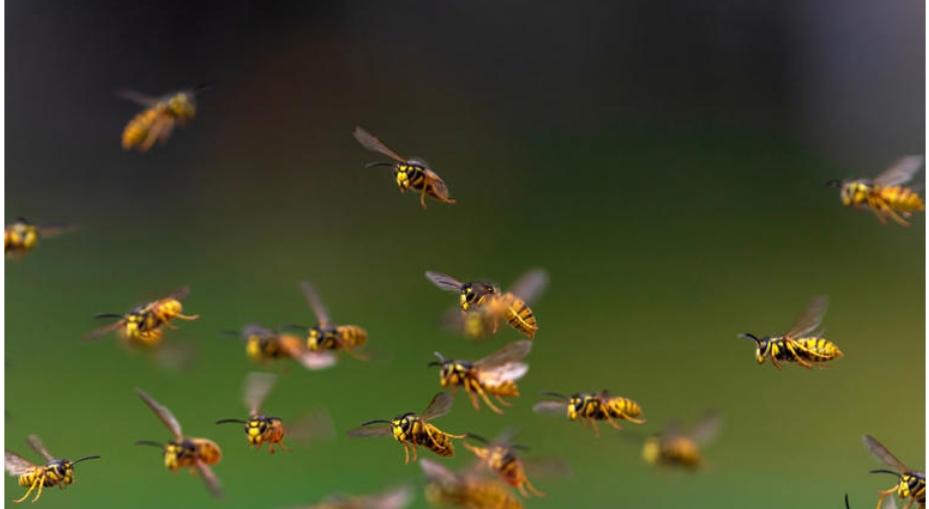
Why Saratoga Springs Homes Attract Wasps Every Summer
Key Takeaways
- Saratoga Springs’ rapid residential growth, proximity to Utah Lake, and hot summers create near-ideal nesting conditions for wasps.
- Yellow jackets, paper wasps, and bald-faced hornets are the most common species found around local homes.
- Wasps are drawn to specific features like open eaves, wood fencing, outdoor food sources, and exposed soil.
- Wasp colonies grow throughout summer and reach peak aggression in late July through September.
- Early prevention is far more effective than trying to deal with an established nest.
- Local pest control professionals who understand Utah County’s seasonal pest patterns can identify and treat nests that homeowners often miss.
Saratoga Springs has grown fast. What was mostly open land and farmland not too many years ago is now one of Utah County’s most active residential communities. That growth has been great for homeowners looking for newer builds, good schools, and easy access to the Wasatch Front. But it’s also been great for wasps.
Every summer, residents across Saratoga Springs start noticing wasp activity around their porches, rooflines, fences, and yards. Some find small nests. Others stumble into larger ones the hard way. The question most people eventually ask is: why here? Why does this area seem to attract so many of them?
The answer has a lot to do with the local environment and how suburban development interacts with it.
The Climate Creates a Long, Productive Season for Wasps
Saratoga Springs sits at roughly 4,500 feet elevation along the eastern shore of Utah Lake, and summers there are genuinely hot. Temperatures regularly climb into the 90s from late June through August, and that heat is exactly what wasp colonies need to grow fast and thrive.
Wasps are cold-blooded, so warmer temperatures speed up their development. Workers hatch faster, the colony expands sooner, and foraging activity picks up earlier in the season compared to cooler climates. By mid-July, a nest that started from a single queen in April can contain hundreds of workers.
The dry heat also pushes wasps to search aggressively for water. Birdbaths, dripping irrigation lines, pooled water near AC units, and even damp mulch become regular stops on a wasp’s foraging route.
Rapid New Construction Gives Them Endless Nesting Options
Here’s something most homeowners don’t think about. New construction disturbs the ground, churns up soil, and leaves behind wood scraps, open wall cavities, and unfinished structures that wasps treat like prime real estate.
Yellow jackets, one of the most aggressive species in Utah, love to nest underground. Construction sites and newly graded lots leave loose, disturbed soil that’s easy for queens to excavate in spring. Once a development gets established and landscaping goes in, those nests are already there, buried under your lawn.
Paper wasps, on the other hand, prefer sheltered aerial spots. The overhangs, porch rafters, fence rails, and window frames of newer construction homes are just about perfect for them. Wood that hasn’t been painted or sealed yet is especially appealing. They chew cellulose from raw wood fiber to build their nests, so a freshly installed fence is practically an invitation.
Saratoga Springs is still actively expanding, which means there’s always new construction nearby. And every new development pushes existing insect populations into adjacent established neighborhoods.
Proximity to Utah Lake and Open Land Matters More Than People Realize
The eastern shoreline of Utah Lake sits right at the edge of Saratoga Springs, and that geography plays a real role in local pest pressure.
Open water and wetland areas support dense insect populations, which in turn support wasp populations. Wasps are predatory. They hunt soft-bodied insects like caterpillars, flies, and grubs to feed their larvae, and areas near water tend to have plenty of those. This means that neighborhoods close to the lake or adjacent to undeveloped open space tend to see higher wasp activity than those several miles inland.
When you add the fact that Saratoga Springs borders a significant amount of undeveloped scrubland and agricultural land, you have a situation where wasps don’t have to travel far to find everything they need: food, water, and nesting sites.
The Most Common Wasp Species in Saratoga Springs
Not all wasps behave the same way, so it helps to know which ones you’re most likely to encounter.
Yellow jackets are probably the most problematic for homeowners. They nest underground or inside wall voids and become sharply more aggressive in late summer when food sources start to thin out. They’re the ones most likely to sting you for getting too close to an unseen nest.
Paper wasps build the open, papery, umbrella-shaped nests you’ll often see under eaves or on fence posts. They’re generally less aggressive than yellow jackets but will sting if they feel threatened, especially near the nest.
Bald-faced hornets are a less common but more alarming find. Their large gray, papery nests can appear in shrubs, trees, or on the exterior walls of homes, and they defend them fiercely. If you spot a structure that looks like a large grayish football hanging in a tree, that’s one to leave alone.
Mud daubers are solitary and far less aggressive. They build small mud tube nests in sheltered spots, like inside garages or under covered patios. Generally not dangerous, but their numbers can add up.
What Makes One Home More Attractive Than Another
Two homes on the same street can have completely different wasp problems, and that comes down to specific features wasps find appealing.
Food and Sugary Attractants
Wasps are opportunistic feeders. Outdoor dining areas, uncovered garbage cans, pet food left outside, and fruit trees or berry bushes near the home all draw foragers in. A sweet drink left unattended on a patio table is a wasp magnet. Late summer is especially bad because wasps shift toward sugary food sources as their colony’s protein needs drop.
Nesting Sites on the Structure
Unsealed gaps along rooflines, spaces between siding panels, open weep holes in brick, and cracks around window frames all offer entry into wall voids where wasps will build nests out of sight. Homes with older wood trim, unfinished garage ceilings, or dense landscaping right up against the foundation tend to see more nesting activity. If you’ve got a wood fence that’s never been stained or sealed, that’s worth checking along the rails and cross members in early summer.
Water Sources Near the Home
Dripping faucets, clogged gutters that hold moisture, water features, and even the condensation runoff from an air conditioning unit can all bring wasps close to the home repeatedly. Once they’ve identified your property as a reliable water source, they’ll keep coming back.
When Wasp Activity Peaks in Saratoga Springs
Spring is when queens emerge and start looking for nesting sites, but most homeowners won’t notice much activity until June. That’s when worker populations have grown enough that foragers are visible around the yard.
July through September is the real problem window.
By mid-summer, colonies are at full strength and workers are actively foraging from early morning through late afternoon. Yellow jackets in particular become noticeably more aggressive in August and early September as the colony prepares to end the season, resources get scarce, and their defensive instincts sharpen. This is when most stinging incidents happen.
Once the first hard frost arrives, worker wasps die off and the colony ends. But any queens that successfully overwinter will start the cycle again the following spring, often in the same general area.
Prevention Steps Homeowners Can Take
Getting ahead of wasp season is much easier than dealing with an established nest. Some practical steps that actually help:
- Inspect your roofline, eaves, and fence posts in early May before colonies get established
- Seal any gaps or cracks in siding, around windows, and along the foundation
- Keep outdoor trash cans tightly sealed and rinse them regularly to eliminate residue
- Avoid leaving pet food or open drinks outside for extended periods
- Trim back dense shrubs and bushes that grow close to the foundation
- Fix dripping outdoor faucets and clear gutters that hold standing water
These aren’t complicated changes, but they do make a measurable difference in how attractive your property looks to a queen scouting for a nest site.
When a Professional Is the Right Call
Small, early-season nests that are easy to see and reach can sometimes be handled with retail wasp sprays, as long as you treat at night when the colony is inactive and wear protective clothing. But that’s a limited scenario.
Ground nests are hard to find until the colony is large. Wall void nests are almost impossible to treat effectively without knowing exactly where they are inside the structure. And bald-faced hornet nests should generally never be approached by someone without proper equipment. A misidentified nest or a missed application can make the situation significantly worse.
This is where having access to a local pest professional matters. Zunex Pest Services serves Saratoga Springs and surrounding Utah County areas, and their technicians are familiar with the specific pest pressures that come with this region’s climate and development patterns. They offer wasp and hornet treatment as part of their general pest control services, and their approach focuses on both removing active nests and reducing the conditions that attract wasps in the first place.
For homeowners dealing with recurring wasp problems year after year, the most effective solution is usually a consistent treatment plan that starts early in the season before colonies reach their peak size. Professionals handling pest control in Saratoga Springs know which parts of the city see the most pressure, which species are most active by season, and where nests tend to form on homes built in this area.
Trying to treat a mature colony in August, on your own, without knowing what you’re dealing with is where most problems occur.
Frequently Asked Questions
Why do I have wasps every summer but my neighbor doesn’t?
Wasp activity varies a lot by property. Factors like outdoor food sources, the presence of wood fencing, gaps in rooflines or siding, and proximity to water all influence how attractive a specific yard is to nesting queens. A property with several of these features is more likely to see repeated activity.
Are wasps in Saratoga Springs dangerous?
Most wasp species in the area will only sting when they feel directly threatened, particularly near their nests. Yellow jackets and bald-faced hornets are generally more aggressive than paper wasps or mud daubers. For people with venom allergies, any sting can carry serious risk, and medical attention should be sought promptly.
How do I find a wasp nest I can’t see?
Ground nests are typically identified by watching where wasps fly to and from at ground level, often near a small entry hole in the soil or lawn. Wall void nests may be indicated by a cluster of wasps entering and exiting a gap in siding or around a weep hole. If you can hear buzzing inside a wall, that’s a strong sign.
When is it safe to remove a wasp nest myself?
Early spring nests that are small, clearly visible, and accessible can sometimes be treated safely at night using a residual wasp spray. Larger or concealed nests, ground nests, and any nest you can’t fully reach are generally better handled by a licensed pest control technician.
Do wasps come back to the same spot every year?
Wasps don’t reuse old nests, but new queens will often nest in the same general area if the conditions that attracted the original colony are still present. Structural gaps, food sources, and nearby forage areas that go unaddressed tend to result in repeated problems season after season.
What’s the difference between a wasp and a hornet?
Hornets are technically a type of wasp. In common usage around Utah, the term “hornet” is often used for bald-faced hornets specifically. Yellow jackets and paper wasps are the other two common species. All three are social wasps that can sting multiple times and defend nests actively.
Should I be worried about wasps near my kids’ play area?
Yes, especially in late summer when colonies are at their largest and most aggressive. It’s worth inspecting play structures, sandbox areas, and nearby fencing early in the season and removing any nests before they grow. Ground-level areas where children play are also worth checking for underground yellow jacket nests.