How Do You Judge a Premium Botanical Product?
Botanicals have moved from the health food store to the vanities of readers who expect a lot from a tincture. Names like Blue Lotus, Kanna, Kava, and Shilajit now sit on packaging that looks at home in a Madison Avenue boutique. The category has grown up fast.
Brands such as Amentara have brought these traditional plant and fungal ingredients into refined capsules, gummies, and tinctures. The audience cares as much about sourcing as about results. Knowing how to read a label is what separates a considered purchase from an impulse buy.
What Defines a Premium Botanical Wellness Product?
Premium here has little to do with the weight of the glass or the serif on the logo. A product earns the description through what happens before it reaches the jar.
Where was the raw material grown? How was it extracted? Has an independent lab confirmed the contents? Buyers who question the provenance of their olive oil apply the same eye.
The shift mirrors the broader move toward wellness technology. Connected devices sold themselves on measurable feedback. Botanical brands now compete on data instead. That means certificates of analysis, standardized extracts, and clearly stated amounts. A label listing a proprietary blend with no per-serving figures tells you far less than one that prints exact milligrams. Still, treat lab data as one signal among several. Reports can be faked, some botanicals like Amanita muscaria resist accurate lab measurement, and third-party testing today is a mixed bag rather than a guarantee.
There is a regulatory reason to read closely too. In the United States, botanical supplements reach store shelves without pre-market approval for safety or effectiveness, a point spelled out in federal supplement guidance. That places the homework on the buyer. Sourcing and third-party testing carry more weight than any marketing line.
How Do Discerning Buyers Evaluate Botanical Brands?
A short set of questions separates serious brands from opportunists. Run through these before you spend anything, especially where a single bottle can run $40 to $120.
- Confirm that a third-party lab has tested the batch and that the certificate of analysis is easy to find.
- Check that the label names the exact species and plant part, not just a common name.
- Look for a stated dose in milligrams rather than a vague proprietary blend.
- Review the country of origin and how the material was harvested or cultivated.
- Read the return policy, since reputable brands stand behind their products for 30 days or more.
- Verify that the brand is clear about the legal status of each ingredient in your state.
A brand that answers all 6 with confidence has earned a closer look. One that dodges even 2 is asking you to trust marketing over evidence.
Which Botanicals Are Drawing Attention In 2026?
Five botanicals show up most often across premium lines. They are Blue Lotus, Kanna, Kava, Shilajit, and Amanita Muscaria. Each carries a long record of traditional use rather than a modern lab origin. That history is part of the appeal.
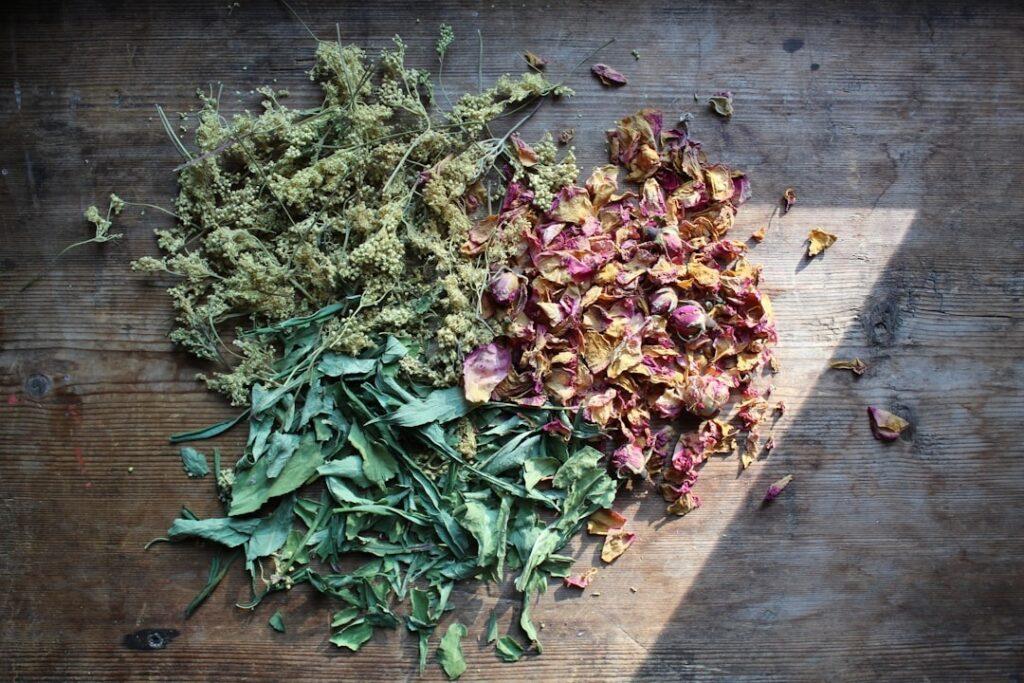
Kava has been consumed in Pacific Island communities for centuries as a social and ceremonial drink. Shilajit is a mineral-rich resin gathered from high-altitude rock in ranges like the Himalayas. It usually sells as a purified paste or powder.
Blue Lotus and Kanna come from flowering plants with roots in ancient Egyptian and South African tradition. Amanita Muscaria is a mushroom that careful brands process before it reaches a capsule. None of these is medicine.
The reminder from integrative health researchers that natural does not automatically mean safe applies with full force. Some botanicals can interact with a prescription. Anyone taking medication, pregnant, or nursing should speak with a physician first. Effects also vary widely from one person to the next.
What Should You Check Before You Buy?
Before a product goes in the cart, a quick label audit protects your money and your peace of mind.
- Certificate of analysis: A current report from an accredited lab, dated within the past 12 months.
- Ingredient specificity: The Latin species name, plant part, and extract ratio.
- Dosage clarity: Exact milligram amounts per serving and a suggested starting dose.
- Sourcing detail: Country of origin and, when relevant, wild-harvested versus cultivated.
- Contact and transparency: A real address, responsive support, and published sourcing policies.
- Legal check: Confirmation that the ingredient is permitted where you live.
Spending 5 minutes on this list saves the disappointment of a $90 bottle that turns out to be all packaging.
How Do Botanicals Fit a Considered Luxury Routine?
The strongest case for botanicals is not dramatic. It is the quiet ritual. Think of a measured evening tincture or a morning capsule taken with intention. A reader returning from a luxury wellness retreat often wants to carry that calm into daily life. A well-chosen botanical can sit alongside good sleep, real food, and time away from screens.
Treated that way, botanicals become one part of a routine rather than a shortcut. The buyers who get the most from them set realistic expectations. They start low. They give a product 2 to 3 weeks of honest attention before deciding whether it stays.
Before You Add to Cart
- Premium reflects sourcing, testing, and transparency, not the price tag.
- Ask for a current third-party certificate of analysis on every batch.
- Favor labels that state exact species, plant part, and milligram dosage.
- Treat traditional botanicals as complements to a routine, never as medicine.
- Speak with a physician first if you take medication, are pregnant, or are nursing.
- Confirm the legal status of each ingredient in your own state.
The Considered Approach
Botanical wellness rewards the same discernment affluent readers bring to travel, dining, and design. The gap between a smart purchase and a wasted one comes down to a few questions about sourcing, testing, and honesty. Ask them every time. Keep your expectations grounded. The products worth their premium tend to reveal themselves quickly.
FAQ
Are Premium Botanical Products Regulated Like Medications?
No. In the United States, botanical supplements are not reviewed for safety or effectiveness before they reach the market. That is why an independent certificate of analysis and a transparent brand matter more than any label claim.
How Do I Know a Certificate of Analysis Is Legitimate?
A genuine report names an accredited third-party lab, lists the specific batch, and covers both potency and contaminant testing. Even then, treat it as one signal rather than proof. Reports can be faked, and some botanicals like Amanita muscaria are hard for current labs to measure accurately, so even well-meaning vendors sometimes publish skewed results. Third-party testing today is a mixed bag, careful and ethical for some brands and mostly marketing for others. Weigh a certificate alongside a brand transparency, track record, and traditional context rather than trusting it on its own.
Why Do Premium Botanicals Cost So Much More?
Higher prices usually reflect careful sourcing, standardized extraction, and independent lab testing, which add real cost. A bottle running $60 or more should come with documentation that a $15 alternative cannot match.
Can I Combine Botanicals With My Current Supplements?
Possibly, but not without care. Some botanicals can interact with prescription drugs or other supplements. Speak with a physician or pharmacist before combining anything, and introduce only one new product at a time.