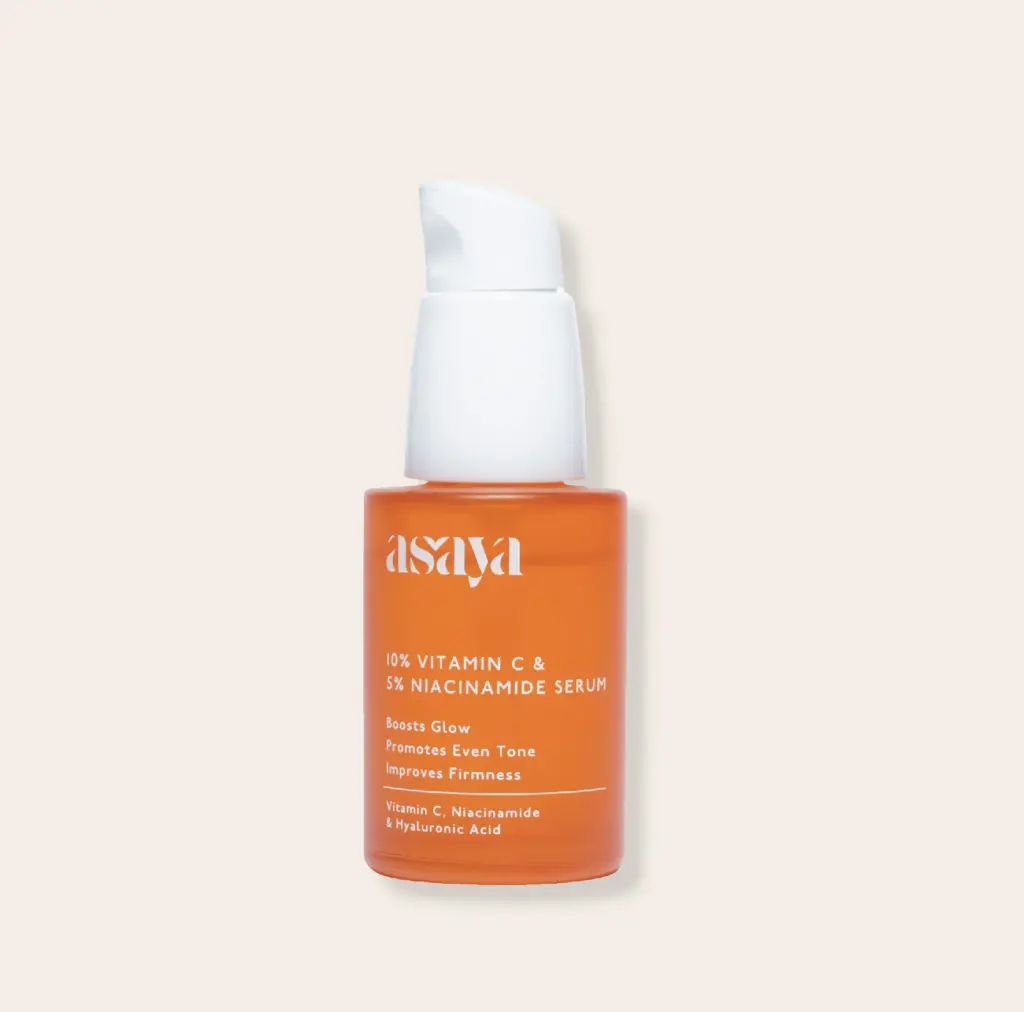
Niacinamide for Sensitive Skin: Benefits, Uses, and What to Avoid
Sensitive skin can make even a simple skincare routine feel complicated. Products designed to brighten, smooth, or clarify the complexion may sometimes cause redness, dryness, itching, or a burning sensation. Fortunately, niacinamide for sensitive skin is often considered a gentle and versatile option when it is introduced carefully. This form of vitamin B3 supports several important skin functions, including moisture retention, barrier strength, and balanced oil production. However, concentration, formulation, and product combinations can all affect how sensitive skin responds. Understanding how niacinamide works can help you enjoy its benefits while reducing the risk of irritation.
What Is Niacinamide?
Niacinamide, also called nicotinamide, is a water-soluble form of vitamin B3 commonly found in serums, moisturizers, cleansers, and other topical skincare products. Unlike exfoliating acids, niacinamide does not remove layers of dead skin cells or significantly increase sun sensitivity. Instead, it works by supporting processes that help the skin maintain a healthy, resilient appearance. It is widely used in products intended for dryness, uneven tone, enlarged-looking pores, blemishes, and signs of environmental stress. Because it can address several concerns at once, it is often included in streamlined skincare routines. Sensitive skin may tolerate it well, but individual reactions are still possible.
Niacinamide is available in concentrations ranging from very low percentages to formulas containing 10 percent or more. Higher concentrations are not always more effective, especially for people whose skin reacts easily. Many sensitive skin types may benefit from products containing approximately 2 to 5 percent niacinamide. A lower percentage can still support the skin barrier and improve the appearance of unevenness without creating unnecessary stress. The complete product formula also matters because fragrances, drying alcohols, essential oils, or additional active ingredients may cause irritation even when niacinamide itself is well tolerated. Reading the entire ingredient list is therefore an important step.
Benefits of Niacinamide for Sensitive Skin
One of the most valuable benefits of niacinamide is its ability to support the skin’s natural protective barrier. The skin barrier helps retain moisture while limiting exposure to irritants, pollutants, and environmental stressors. When this barrier becomes compromised, the skin may feel tight, dry, rough, itchy, or unusually reactive. Niacinamide can support the production of ceramides and other lipids that help maintain barrier function. Over time, a stronger moisture barrier may make sensitive skin feel more comfortable and less vulnerable to everyday triggers. These improvements usually require consistent use rather than overnight results.
Niacinamide may also help reduce the visible appearance of redness and blotchiness associated with general sensitivity. It is not a treatment for every condition that causes facial redness, but its barrier-supporting properties can contribute to a calmer-looking complexion. People with sensitive skin often experience redness after cleansing, exposure to dry air, or the use of strong skincare products. A gentle niacinamide moisturizer or serum may help the skin recover by improving hydration and supporting resilience. Results can vary depending on the cause of the redness. Persistent, painful, or worsening redness should be evaluated by a dermatologist.
Additional potential benefits of niacinamide include:
- Supporting smoother and softer-looking skin
- Helping reduce excessive moisture loss
- Improving the appearance of uneven skin tone
- Minimizing the look of enlarged pores
- Supporting balanced oil production
- Helping blemish-prone skin appear calmer
- Reducing the visible effects of environmental stress
- Improving the overall appearance of dullness
These benefits make niacinamide useful for people who have more than one skincare concern. Someone may have sensitive skin that is also oily, dry, blemish-prone, or uneven in tone. Rather than using several aggressive products, a well-formulated niacinamide product may address multiple concerns in one step. This can help simplify a routine and reduce the number of ingredients placed on the skin. A simpler routine is often easier to evaluate because it allows you to identify which products are helping and which may be causing irritation. Consistency and patience remain essential.
How to Use Niacinamide in a Sensitive Skin Routine
When introducing niacinamide, begin with a low concentration and use the product only a few times per week. Applying it every day immediately may be unnecessary, particularly if your skin is already dry, irritated, or adjusting to other products. Start by using a small amount after cleansing and before applying moisturizer. If the niacinamide is already included in a moisturizer, it can usually be applied as the final hydrating step before sunscreen in the morning. Watch for redness, itching, stinging, swelling, or persistent dryness. If the skin remains comfortable, you can gradually increase application frequency.
A basic morning routine may include a gentle cleanser, a low-strength niacinamide product, a fragrance-free moisturizer, and broad-spectrum sunscreen. In the evening, you can follow a similar routine without sunscreen. People with very dry or reactive skin may prefer applying niacinamide over a thin layer of moisturizer to buffer the ingredient. Another option is to mix a small amount of niacinamide serum with a plain moisturizer, although mixing products may slightly change how evenly they are applied. Avoid adding several new products at the same time. Introducing products individually makes it easier to identify the source of a reaction.
Patch testing is especially important for sensitive skin. Apply a small amount of the product to a discreet area, such as behind the ear or along the side of the neck. Repeat the test once daily for several days rather than assuming that one application is enough. Delayed reactions can occur, particularly when a product is used repeatedly. If the test area becomes red, swollen, itchy, or uncomfortable, stop using the product. A successful patch test does not guarantee that the entire face will tolerate the formula, but it may reduce the chance of a widespread reaction.
What Percentage of Niacinamide Is Best?
Sensitive skin often responds better to moderate concentrations than to maximum-strength formulas. Products containing 2 to 5 percent niacinamide may provide barrier, hydration, and tone-related benefits without exposing the skin to an unnecessarily high dose. Ten percent serums are widely available, but they can cause flushing, dryness, or irritation in some users. A high percentage may also be combined with zinc, acids, or other ingredients that change the overall tolerability of the formula. More is not always better in skincare. A lower-strength product used consistently may produce better long-term results than a strong product that causes irritation.
The best concentration also depends on the type of product. A 5 percent niacinamide serum may deliver a more concentrated treatment, while a moisturizer containing a lower amount may be more comfortable for daily use. Cleansers provide shorter contact time because they are rinsed off, so their effects may differ from leave-on products. People who are new to niacinamide may find that a moisturizer is easier to tolerate than a lightweight treatment serum. Those with oily skin may prefer a fragrance-free gel or lotion. Those with dry skin may benefit from a richer cream containing ceramides, glycerin, or hyaluronic acid.
Ingredients That Pair Well With Niacinamide
Niacinamide generally fits easily into a gentle skincare routine. It is often paired with moisturizing and soothing ingredients that support hydration without aggressively exfoliating the skin. Ceramides, glycerin, squalane, panthenol, hyaluronic acid, and colloidal oatmeal may complement niacinamide in sensitive skin products. These ingredients help reduce dryness and support a comfortable skin barrier. Combining niacinamide with hydrating ingredients can be especially useful during winter, in dry climates, or after overusing strong products. Fragrance-free formulations are usually preferable for highly reactive skin.
Helpful ingredient combinations may include:
- Niacinamide and ceramides for barrier support
- Niacinamide and glycerin for hydration
- Niacinamide and hyaluronic acid for moisture retention
- Niacinamide and panthenol for a soothing routine
- Niacinamide and squalane for dry or tight-feeling skin
- Niacinamide and mineral sunscreen for daytime protection
Although niacinamide can be used with many active ingredients, sensitive skin may not tolerate multiple treatments in the same routine. Retinoids, exfoliating acids, benzoyl peroxide, and strong vitamin C formulas can all cause irritation on their own. Using them with niacinamide is not automatically unsafe, but layering too many active ingredients may overwhelm a fragile skin barrier. Consider alternating products on different nights or using stronger treatments less frequently. Your skin’s comfort is a more useful guide than a complicated routine. A dermatologist can help create a schedule for persistent acne, pigmentation, rosacea, or other concerns.
What to Avoid When Using Niacinamide
Avoid assuming that every product labeled gentle or suitable for sensitive skin will work for you. Marketing terms are not a guarantee that a formula is free of potential irritants. Fragrance, essential oils, harsh surfactants, and high amounts of denatured alcohol may contribute to dryness or discomfort. Strong exfoliating blends can also make a niacinamide product harder to tolerate. Check whether the product contains several active ingredients rather than focusing only on the featured ingredient. A simple formula is often easier to introduce.
You should also avoid applying niacinamide to skin that is already severely irritated, sunburned, cracked, or peeling. Adding another product during a flare may make it difficult to determine what is causing the reaction. Focus first on gentle cleansing, moisturizing, and protecting the skin from the sun. Once the skin feels calm again, reintroduce niacinamide slowly. Stop using the product if it causes ongoing burning, swelling, hives, or worsening redness. Seek medical attention for severe swelling, difficulty breathing, or signs of a serious allergic reaction.
Common mistakes to avoid include:
- Starting with a very high concentration
- Applying too much product
- Introducing several active ingredients together
- Skipping a patch test
- Using fragranced products on highly reactive skin
- Applying niacinamide to damaged or peeling skin
- Continuing use despite persistent irritation
- Expecting dramatic results within a few days
How Long Does Niacinamide Take to Work?
The amount of time needed to see results depends on the concern, product concentration, and consistency of use. Some people notice improved hydration or comfort within a few weeks. Changes in uneven tone, oiliness, pore appearance, or post-blemish marks may take longer. Skincare results are usually gradual because the skin needs time to respond to regular use. Taking photographs under similar lighting can make subtle improvements easier to recognize. Avoid increasing the concentration simply because results are not immediate.
Using niacinamide once or twice will not permanently repair a damaged skin barrier. Its benefits are most noticeable when it is part of a consistent routine that also includes gentle cleansing, adequate moisturizing, and daily sun protection. Sunscreen is particularly important when addressing uneven tone or discoloration because ultraviolet exposure can worsen visible pigmentation. Lifestyle factors such as weather, stress, sleep, and exposure to irritants may also influence skin sensitivity. Progress may not be perfectly steady. Temporary flare-ups can still occur even when a product is generally helpful.
Frequently Asked Questions
Is niacinamide safe for sensitive skin?
Niacinamide is generally well tolerated, especially in lower concentrations. However, patch testing is recommended because any skincare ingredient can potentially cause irritation.
Can niacinamide cause redness?
Yes. High concentrations, excessive application, or irritating ingredients elsewhere in the formula may cause redness, flushing, itching, or dryness.
What niacinamide percentage should beginners use?
A product containing approximately 2 to 5 percent niacinamide is often a practical starting point for sensitive skin. Introduce it gradually and monitor your skin’s response.
Can I use niacinamide every day?
Many people can use niacinamide daily, but sensitive skin may need a slower schedule. Begin two or three times per week before increasing frequency.
Can niacinamide be used with vitamin C?
Niacinamide and vitamin C can be used in the same routine. However, sensitive skin may tolerate them better when applied at different times of day.
Can niacinamide be used with retinol?
Yes, but both ingredients should be introduced carefully. Niacinamide may support the skin barrier, while retinol can cause dryness and irritation during adjustment.
Should niacinamide sting when applied?
Mild, brief tingling may occur with some formulas, but burning or persistent stinging is not a sign that the product is working. Wash it off and discontinue use if discomfort continues.
Does niacinamide help with acne?
Niacinamide may help support balanced oil production and improve the appearance of redness associated with blemishes. Moderate or severe acne may require professional treatment.
Is niacinamide good for rosacea?
Some people with rosacea tolerate niacinamide well, particularly in barrier-supporting moisturizers. Because rosacea varies widely, a dermatologist should guide treatment for ongoing symptoms.
Build a Calm and Consistent Skincare Routine
Niacinamide can be a valuable addition to a sensitive skin routine, but the way you use it matters just as much as the ingredient itself. Choose a moderate concentration, look for a simple fragrance-free formula, and introduce the product gradually. Pair it with a gentle cleanser, a supportive moisturizer, and broad-spectrum sunscreen rather than building a routine around numerous aggressive treatments. Pay attention to how your skin feels instead of chasing the highest percentage or fastest possible results. Stop using any product that causes persistent irritation, swelling, or discomfort. With a careful approach, niacinamide may help sensitive skin look smoother, more hydrated, more even, and better equipped to handle everyday environmental stress.