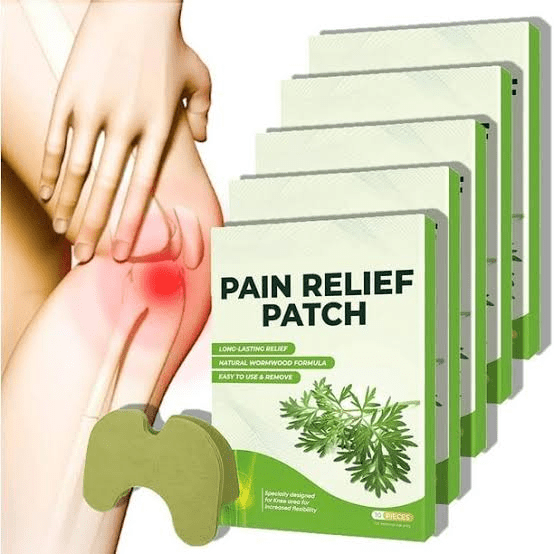
How a Natural Back Pain Patch Can Support Daily Comfort
Living with persistent back stiffness or localized physical pain has become an all-too-common challenge for modern adults. Whether you spend hours sitting in front of a computer, drive long distances, perform manual labor, or push yourself during workouts, physical discomfort can quietly creep into your everyday life. Over time, minor aches in the spine, neck, or hips can drain your energy, reduce your focus, and make simple movements feel like heavy chores. For many years, people turned exclusively to oral pain relievers or strong chemical gels to manage these daily discomforts. Today, however, more individuals are shifting toward holistic, non-invasive solutions that support natural recovery and long-term joint health.
A natural approach to pain management focuses on helping the body heal itself while providing targeted comfort right where you need it most. Combining herbal transdermal care with movement, gentle stretching, and proper ergonomic habits creates a well-rounded strategy for everyday relief. In this comprehensive guide, we will explore practical ways to build bodily resilience, correct poor movement habits, relieve upper-body tension, improve lower-body mobility, and maintain smooth, active comfort throughout your daily routine.
Building Physical Strengths to Support Long-Term Back Health
Your spine relies on a complex network of surrounding muscles, tendons, and ligaments to keep your body upright and balanced. When these supporting structures become weak or unbalanced, your spinal column absorbs unnecessary impact during everyday tasks like walking, lifting, or sitting. Developing foundational physical strengths throughout your core, back, and hips is one of the most effective ways to protect your spine from strain and reduce chronic back discomfort.
- Core Muscle Activation: The deep abdominal muscles act as an internal corset for your spine. Strengthening your core helps stabilize your midsection, distributing physical load evenly across your torso and preventing localized lower back strain.
- Glute and Hip Power: Strong gluteal muscles take pressure off your lower spine during bending and lifting movements. When your glutes are engaged, your legs carry your weight rather than your lower back muscles.
- Spinal Erector Endurance: The long muscles running along your backbone help maintain an upright posture throughout the day. Building endurance in these muscles prevents back fatigue during extended sitting or standing.
When you consistently focus on building key physical strengths, your body becomes far more resilient against unexpected twists, sudden heavy lifts, and long hours at a desk. Strong muscles provide natural support to your spine, keeping joints aligned and reducing the frequency of painful muscle spasms. By pairing targeted strength exercises with proper rest and herbal topical care, you build a solid foundation for long-term back health and effortless movement.
The Benefits of Correcting Posture for Everyday Pain Relief
Modern life presents constant posture challenges. From slouching over smartphones to leaning forward toward computer screens, poor alignment places continuous mechanical stress on your neck, shoulders, and spine. Committing to correcting posture is a powerful daily practice that dramatically reduces physical fatigue and prevents painful muscle imbalances from taking root.
- Equal Weight Distribution: Proper alignment ensures that gravity distributes your body weight evenly across your joints, preventing excessive wear and tear on specific spinal discs.
- Enhanced Lung Capacity and Circulation: Sitting upright opens up your chest cavity, allowing your lungs to expand fully and boosting oxygen delivery to fatigued muscle tissues.
- Reduced Muscle Fatigue: When your skeleton is aligned correctly, your muscles do not have to work overtime to keep your head and torso balanced, eliminating chronic stiffness.
Taking active steps toward correcting posture offers immediate rewards for your physical comfort and energy levels throughout the day. To support your body as you retrain your posture and soothe tired spinal muscles, using a natural back pain patch can provide continuous, soothing herbal relief right at the site of tension. The warm, sustained release of natural active ingredients helps relax tight lower back muscles, making it much easier to sit straight, stand tall, and move through your day with complete confidence.
Understanding Neck Pain Into Shoulder and Ways to Ease Discomfort
It is very common for physical stress to travel beyond a single isolated spot. A frequent complaint among desk workers and active individuals alike is neck pain radiating into the shoulder tissues, where tightness in the upper neck muscles radiates downward into the shoulder blade and upper arm. This connected discomfort usually stems from nerve irritation, tight trapezius muscles, or prolonged forward-head posture.
- Forward Head Posture: Leaning your head forward places tremendous extra weight on your cervical spine, straining delicate neck muscles and pulling on shoulder tendons.
- Stress-Induced Muscle Guarding: Mental stress causes many people to involuntarily hike their shoulders toward their ears, trapping chronic tension in the upper trapezius muscles.
- Repetitive Upper Body Movements: Carrying heavy bags on one shoulder or using a computer mouse without arm support causes asymmetrical muscle fatigue along the neck line.
Addressing persistent neck pain into shoulder regions requires a gentle combination of targeted release and ergonomic adjustments. Taking frequent micro-breaks during work to perform slow head rolls, shoulder shrugs, and doorway chest stretches helps reset tight upper body muscles. Applying targeted natural relief to sensitive trigger points helps increase blood flow, soothe compressed nerve pathways, and restore smooth, comfortable movement to your neck and upper torso.
How Hip Flexibility Stretches Can Reduce Back and Hip Tension
The hips serve as the central mechanical bridge between your upper body and lower legs. When your hip flexors, hamstrings, or deep gluteal muscles become tight, they pull your pelvis out of its natural alignment, creating severe strain on your lower back. Integrating regular hip flexibility stretches into your daily routine is an essential strategy for unweighting your lower spine and improving overall lower body mobility.
- Hip Flexor Lunge Stretch: Kneeling on one knee and gently pushing your hips forward elongates tight hip flexors caused by prolonged sitting, instantly reducing forward pelvic tilt.
- Pigeon Pose or Figure-Four Stretch: Opening up deep hip rotators and glutes releases tension around the sciatic nerve and soothes deep buttock tightness.
- Butterfly Stretch: Pressing the soles of your feet together opens up tight inner thighs, encouraging better hip joint alignment and smooth walking mechanics.
Performing dynamic hip flexibility stretches every morning or after work helps undo the physical stiffness caused by long hours of inactivity. As your hip joints regain their natural range of motion, your lower back experiences far less mechanical pulling during daily activities like climbing stairs, bending over, or walking. Relaxed hips allow your spine to stay neutral, keeping your entire lower body light, fluid, and pain-free.
How to Stretch Knee Tendons Safely to Improve Mobility and Comfort
The knee joint relies on strong, flexible tendons and ligaments to stabilize every step you take. However, heavy exercise, running, or standing on hard floors can leave your knee tendons stiff and susceptible to strain. Learning how to stretch knee tendons safely without overextending the delicate joint structures is crucial for maintaining active mobility, preventing sports injuries, and protecting surrounding leg muscles.
- Standing Quadriceps Stretch: Holding your ankle behind your hips keeps your thigh muscles long and reduces pulling forces on the patellar tendon right above the kneecap.
- Hamstring Wall Stretch: Elevating your leg while keeping your back flat elongates the tendons behind the knee joint without putting dangerous pressure on your lower spine.
- Calf and Achilles Stretch: Pressing your heel flat against the ground while leaning into a wall releases tight lower leg tendons that directly influence knee mechanics.
Knowing how to stretch knee tendons correctly ensures that your leg joints stay resilient and supple through all types of physical activity. Always remember to warm up your muscles with a few minutes of walking before stretching, and never push a stretch into sharp pain. Gentle, consistent flexibility work keeps your joints lubricated, stabilizes your stride, and helps you move through your active lifestyle with ease.
Achieving daily comfort is a cumulative journey that combines smart daily habits, functional movement, and targeted physical care. By actively building physical resilience, maintaining proper posture, stretching key muscle groups, and supporting your body with natural topical remedies, you can keep physical discomfort at bay and enjoy a vibrant, active life every day.