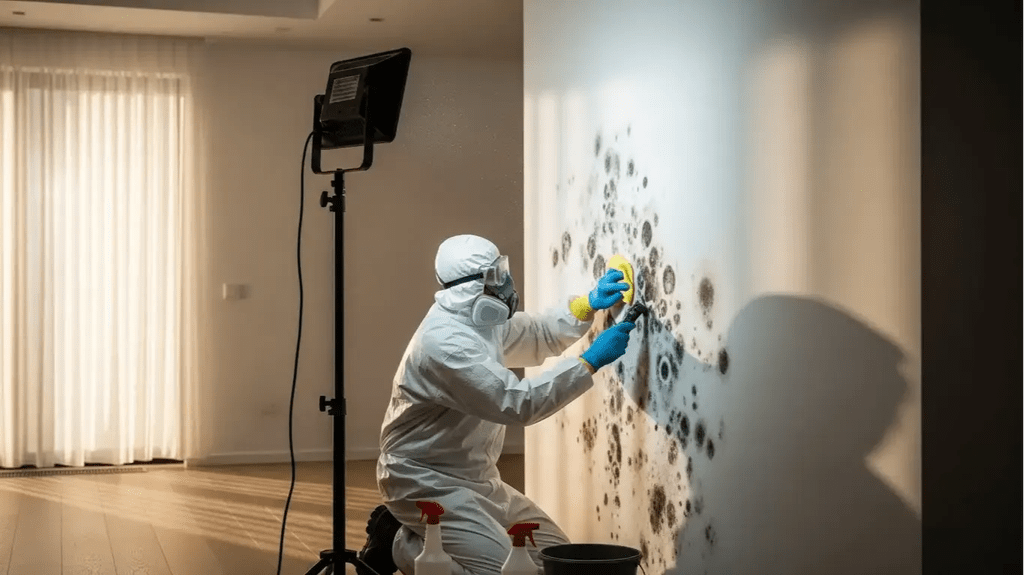
Mold Removal: A Complete Guide to Creating a Cleaner, Healthier Indoor Environment
Mold can become a serious household concern when excess moisture, poor ventilation, or water damage creates the right conditions for fungal growth. Although small amounts of mold may seem like a minor cosmetic issue, an established problem can spread across walls, ceilings, flooring, furniture, and other materials if it is not addressed properly. Effective mold removal is therefore about more than wiping away visible spots. It requires identifying the source of moisture, containing the affected area, removing contaminated materials when necessary, and taking steps to prevent the problem from returning.
Understanding how mold develops and how it should be handled can help property owners respond more effectively. Mold spores are naturally present in the environment, but they can begin growing when they encounter moisture and a suitable organic surface. Damp drywall, wood, carpeting, insulation, paper products, and other materials can provide favorable conditions for growth. Once moisture remains present for an extended period, mold may multiply quickly and become increasingly difficult to control.
Understanding Why Mold Develops
Mold requires moisture, oxygen, and an appropriate surface to grow. Indoor mold problems commonly develop after plumbing leaks, roof damage, flooding, condensation, appliance leaks, or prolonged humidity. Areas with limited airflow, such as basements, bathrooms, crawl spaces, attics, and poorly ventilated rooms, can be particularly vulnerable.
A small leak that goes unnoticed behind a wall can create an ideal environment for mold growth. Similarly, condensation around windows or pipes can keep surfaces damp enough for mold to establish itself. In some cases, a building may have recurring humidity problems that create conditions for repeated growth even after visible mold has been cleaned.
This is why successful mold removal begins with moisture control. Removing the visible growth without addressing the underlying source may only provide a temporary solution. If the affected material remains damp, mold can return.
Recognizing Common Signs of Mold
Visible discoloration is one of the most obvious signs of mold. Mold can appear in different colors and textures, including black, green, gray, white, or brown patches. However, appearance alone cannot reliably determine the type of mold present or whether it poses a particular level of risk.
A musty or earthy odor can also indicate hidden mold. If an unpleasant smell persists in an area despite regular cleaning, there may be moisture or fungal growth concealed behind walls, beneath flooring, inside cabinets, or around HVAC components.
Water stains, peeling paint, bubbling wallpaper, warped flooring, and damaged drywall can provide additional clues. These signs often indicate moisture problems that should be investigated even when visible mold is limited.
If occupants notice recurring dampness or unexplained deterioration of building materials, it is wise to investigate the source rather than simply covering the affected surface.
Why Moisture Control Is Essential
Moisture is the foundation of most indoor mold problems. Without controlling moisture, cleaning efforts may not produce lasting results. A property owner should determine where the water is coming from and correct the problem as soon as reasonably possible.
Common moisture sources include leaking pipes, damaged roofs, overflowing gutters, poor drainage, faulty appliances, foundation seepage, condensation, and excessive indoor humidity. Bathrooms and kitchens can also experience elevated moisture because of showers, cooking, and inadequate ventilation.
Improving ventilation can help reduce humidity in certain areas. Exhaust fans should be used appropriately, particularly during activities that generate substantial moisture. Dehumidifiers may also be useful in spaces that remain excessively humid.
After a water event, affected materials should be dried promptly. The longer porous materials remain wet, the greater the opportunity for mold to develop.
What Professional Mold Removal Involves
Professional mold remediation generally involves several stages rather than a single cleaning procedure. The process begins with an assessment of the affected property and the conditions contributing to the problem.
The extent of contamination is evaluated, including visible growth and areas where hidden moisture may exist. Depending on the circumstances, moisture meters, thermal imaging, or other inspection methods may be used to locate damp materials.
Once the affected areas are identified, the work area may need to be contained to reduce the movement of dust and potentially contaminated particles into unaffected parts of the property. The appropriate containment method depends on the size and severity of the problem.
Contaminated materials are then cleaned, treated, or removed according to their condition. Porous materials that have been extensively affected may not be practical to restore and may require replacement. Hard, nonporous surfaces can often be cleaned more effectively when the contamination is limited.After remediation, the area should be thoroughly dried and inspected to confirm that the underlying moisture problem has been addressed.
Mold Removal Versus Mold Remediation
The terms mold removal and mold remediation are sometimes used interchangeably, but remediation is generally a broader concept. Complete removal of every mold spore from an indoor environment is neither realistic nor necessary because mold spores naturally exist in the air and environment.
The objective is to remove or correct the conditions that allow excessive indoor mold growth and return the affected space to an appropriate condition. This may involve removing contaminated materials, cleaning surfaces, drying moisture, correcting leaks, improving ventilation, and preventing further growth.A responsible approach focuses on controlling the source and affected environment rather than making unrealistic promises about eliminating every microscopic spore.
Small, isolated areas of surface mold may sometimes be manageable with appropriate household cleaning practices, provided the underlying moisture issue is corrected. However, larger or recurring problems can require professional assessment and remediation.
Professional assistance may be particularly appropriate when mold covers a substantial area, results from flooding or significant water damage, affects porous building materials, or appears to be spreading. Hidden mold can also require specialized investigation because simply cleaning visible surfaces may leave contaminated areas untreated.
People with particular sensitivities may also prefer to avoid direct exposure during cleanup. When there is uncertainty about the scope of the problem or the appropriate cleanup method, consulting a qualified professional can provide a safer and more reliable path forward.
Protecting Yourself During Cleanup
Mold cleanup can disturb spores and contaminated particles, making appropriate precautions important. Anyone performing cleanup should avoid unnecessary exposure and use suitable protective equipment for the task.
Protective gloves can help reduce direct skin contact, while appropriate respiratory protection may help reduce inhalation of airborne particles. Eye protection can also be useful when cleaning areas where splashing or airborne debris is possible.
Ventilation should be considered carefully. Simply opening doors or windows is not always appropriate if it could spread contaminated material into other areas. The cleanup method should be selected based on the size and location of the affected area.
Individuals should never assume that a household cleaning product automatically makes mold cleanup safe. Products should always be used according to their labels, and different chemicals should not be mixed.
Why Porous Materials Can Be Difficult to Clean
Some surfaces are relatively easy to clean because mold remains primarily on the exterior. Other materials are porous and can absorb moisture and support growth beneath the surface.
Drywall, insulation, carpeting, ceiling tiles, upholstery, and certain wood products can become difficult to restore when heavily contaminated. Simply wiping the surface may not address growth within the material.
In such cases, removing and replacing affected materials may be more appropriate than attempting repeated cleaning. The decision depends on the extent of contamination, material type, moisture history, and condition of the building component.Professional remediation specialists can help determine whether a material can reasonably be cleaned or whether replacement is more practical.
Hidden Mold and Difficult-to-Reach Areas
Not all mold is visible. Growth can occur behind walls, underneath flooring, inside ceilings, around plumbing, beneath cabinets, or within other concealed spaces.
Hidden mold may be suspected when a musty odor persists without an obvious visible source or when building materials show unexplained water damage. Recurring moisture problems can also point toward concealed contamination.
Finding hidden mold requires careful investigation. Unnecessary demolition should be avoided, but suspected contaminated areas should not be ignored. A professional may use moisture detection equipment and other inspection techniques to identify the likely source.Addressing hidden contamination is important because leaving a moisture-affected area untreated can allow the problem to continue even after visible surfaces appear clean.
Preventing Mold From Returning
Prevention is one of the most important parts of mold control. Once an existing problem has been addressed, property owners should focus on maintaining conditions that discourage future growth.
Leaks should be repaired promptly, and areas affected by water should be dried thoroughly. Gutters and drainage systems should direct water away from the building where possible. Bathrooms should have adequate ventilation, and areas prone to condensation should be monitored.
Indoor humidity should also be controlled. Excessive humidity can create favorable conditions for mold even when there is no obvious leak. Air conditioning, ventilation, and dehumidification can help manage moisture depending on the building’s design and environmental conditions.Furniture and stored belongings should not unnecessarily block airflow against damp walls. In areas with known moisture issues, maintaining circulation can help surfaces dry more effectively.
The Importance of Proper Ventilation
Ventilation plays a major role in moisture management. Everyday activities such as showering, cooking, washing clothes, and drying wet items can introduce significant moisture into indoor air.
Bathrooms should ideally have effective exhaust ventilation, while kitchens may benefit from suitable ventilation during cooking. Moist air that remains trapped indoors can condense on cooler surfaces and contribute to damp conditions.Ventilation alone may not solve every moisture problem, particularly when water is entering through a leak or foundation. However, good airflow can be an important part of an overall moisture-control strategy.
Water damage should be treated as a potential mold risk, particularly when materials remain wet for an extended period. A leaking appliance, burst pipe, roof leak, or flooding event can introduce large amounts of moisture into building materials.
The first priority is to stop the source of water. After that, affected areas should be dried as quickly and thoroughly as practical. Porous materials that have absorbed substantial amounts of contaminated water may require specialized evaluation.
A fast response can make a significant difference. Delaying cleanup allows moisture to remain trapped inside materials and increases the likelihood of microbial growth.For major flooding or extensive water damage, professional restoration services may be necessary before mold remediation can be completed effectively.
Common Mistakes to Avoid
One of the most common mistakes is cleaning visible mold without fixing the moisture source. If a leaking pipe or persistent condensation continues to supply moisture, the growth may return.Another mistake is painting over mold. Paint can conceal discoloration temporarily, but it does not address the underlying contamination or moisture problem. In some situations, painting over affected material can make future assessment more difficult.
Using excessive amounts of cleaning chemicals is another poor strategy. Stronger chemicals do not necessarily mean better results, and improper chemical use can create its own hazards.
Property owners should also avoid disturbing heavily contaminated materials unnecessarily. Aggressive scraping, sanding, or demolition can release particles into the air and spread contamination beyond the original area.
Choosing a Mold Remediation Professional
When professional assistance is needed, choosing a qualified and experienced provider is important. Property owners should ask about the company’s assessment process, remediation methods, containment procedures, and experience with similar projects.
A reputable professional should explain what has been found, identify the moisture source when possible, and provide a clear description of the proposed work. Written estimates can help property owners understand the scope of the project and avoid confusion about included services.
Be cautious of companies that make unrealistic claims or rely heavily on fear-based sales tactics. Effective remediation should focus on identifying the source of moisture, controlling contamination, cleaning or removing affected materials appropriately, and preventing recurrence.Documentation can also be useful. Keeping records of water damage, inspections, repairs, and remediation work may help property owners monitor recurring issues and maintain a history of the building’s condition.
Maintaining a Mold-Resistant Environment
Once remediation has been completed, ongoing maintenance can reduce the likelihood of future problems. Regularly inspecting plumbing, roofs, gutters, windows, bathrooms, basements, and other moisture-prone areas can help identify issues early.
Property owners should respond quickly to leaks and spills instead of allowing moisture to remain for long periods. Condensation should also be monitored, particularly during seasonal temperature changes.
Regular cleaning can help reduce dust and organic particles that may contribute to indoor environmental problems, but cleanliness alone does not prevent mold. Moisture management remains the most important factor.
Good maintenance is especially valuable in older buildings or properties that have experienced previous water damage. Knowing which areas have historically been vulnerable allows homeowners to monitor them more carefully.
Why Professional Mold Removal Can Be a Worthwhile Investment
The cost of addressing mold should be considered in the context of the underlying problem rather than simply the visible discoloration. If moisture has affected building materials, furniture, insulation, or structural areas, ignoring the issue can allow damage to become more extensive.
Professional mold removal can provide a systematic approach to identifying affected areas, controlling the work environment, removing or cleaning contaminated materials, and addressing moisture concerns. When performed correctly, the goal is to restore the affected area and reduce the conditions that support future growth.
A professional assessment can also help distinguish between a minor surface issue and a larger hidden problem. This information allows property owners to make decisions based on the actual condition of the building instead of relying on guesswork.
Final Thoughts
Mold is a moisture problem as much as it is a cleaning problem. Simply removing visible growth may provide temporary improvement, but lasting results require attention to the source of moisture and the materials affected by it. Leaks, flooding, condensation, poor ventilation, and excessive humidity should all be taken seriously when evaluating an indoor mold issue.
Effective mold removal combines careful assessment, appropriate containment, proper cleaning or removal of affected materials, thorough drying, and preventive measures. Small problems may sometimes be manageable with suitable precautions, while extensive, recurring, or hidden contamination may require professional assistance.
The most effective approach is to act early. Address water leaks promptly, maintain appropriate indoor humidity, improve ventilation where necessary, monitor moisture-prone areas, and investigate persistent musty odors or visible growth. By treating moisture as the underlying concern and responding to mold systematically, property owners can protect their building, reduce the chance of recurring growth, and maintain a cleaner and more comfortable indoor environment.