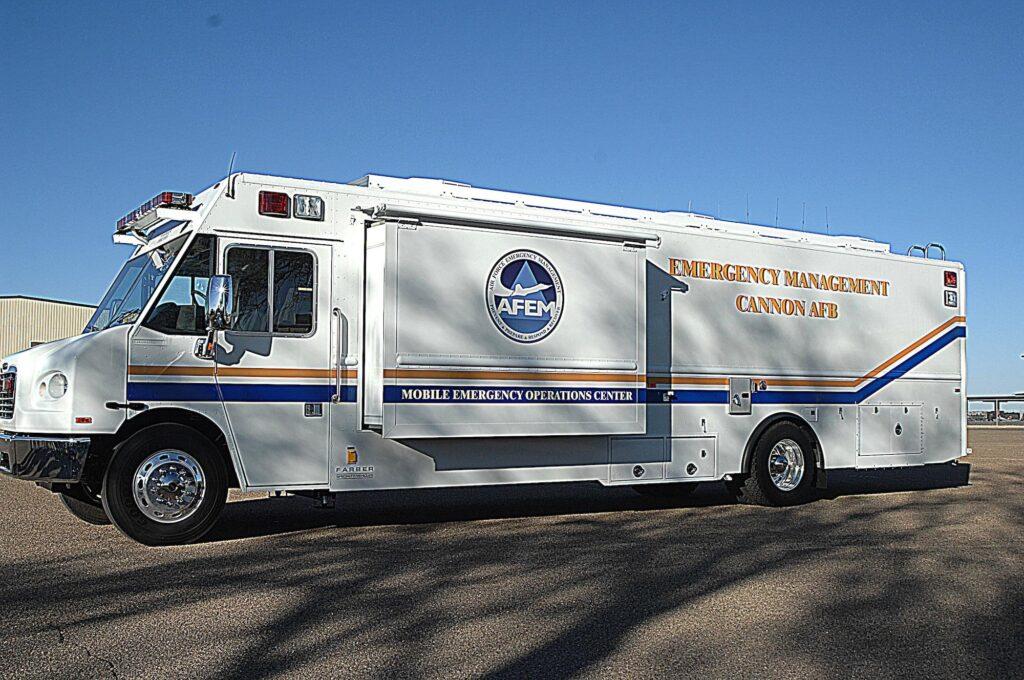
Mobile Medical Vehicles and the Industrial Systems Behind Better Healthcare Access
Introduction
Healthcare delivery is becoming more mobile, more community-focused, and more dependent on physical infrastructure that can move where patients need it most. Hospitals, clinics, public health departments, nonprofit organizations, universities, and emergency response teams increasingly use specialized vehicles to bring services beyond fixed facilities. These units may support screenings, diagnostics, vaccination programs, dental care, occupational health, emergency outreach, behavioral health support, or rural medical access.
A mobile medical unit may look simple from the outside, but it is a highly coordinated environment. It must function as a clinic, workspace, transport asset, patient-facing space, equipment platform, and branded public health presence. That makes the build more complex than a standard vehicle conversion. The interior must support privacy, hygiene, workflow, lighting, power, storage, climate control, accessibility, and staff movement. Every inch matters because the space has to serve people efficiently while remaining safe, durable, and professional.
Why Healthcare Mobility Requires Industrial Planning
Healthcare organizations often turn to mobile units because fixed locations cannot always reach every community. Patients may face transportation barriers, distance, scheduling difficulties, disaster-related access issues, or limited local services. A mobile medical platform helps close that gap by bringing care closer to neighborhoods, schools, workplaces, public events, rural areas, or emergency response zones.
The challenge is that healthcare cannot be treated casually just because it is mobile. A vehicle used for medical services still needs serious planning. Staff must be able to work without crowding each other. Patients need a calm and private experience. Equipment must remain secure during transport. Surfaces should support cleaning. Electrical systems must be dependable. Storage must protect supplies. The unit must feel organized from the first visit to the fiftieth deployment.
The Vehicle Becomes a Clinical Environment
A mobile medical vehicle is not merely transportation with cabinets added inside. It becomes a compact clinical environment. That means the build has to support patient intake, consultation, testing, treatment, documentation, sanitation, and equipment use within a limited footprint. Poor layout can slow care, increase stress for staff, and create discomfort for patients. Good layout helps the service feel smooth and respectful.
This is where custom fabrication becomes essential. Walls, counters, seating, flooring, lighting, partitions, exterior access, and equipment mounts all have to be chosen around the healthcare purpose of the unit. A mobile clinic built for community screenings will have different needs than one built for emergency response or occupational health. The most successful builds begin with the service model, then shape the vehicle around that reality.
Electrical Infrastructure as a Critical Build Layer
Power planning is one of the quiet pillars of a successful medical vehicle. Medical equipment, computers, refrigerators, lighting, HVAC systems, communications tools, charging stations, and sanitation systems all depend on reliable electrical design. If power is poorly planned, the entire unit can become difficult to operate, even if the layout looks polished.
The importance of specialized electrical planning is clear in broader project discussions about industrial electrical contracting, where dependable systems, safety, coordination, and long-term performance influence the success of complex builds. Mobile medical vehicles require the same kind of discipline in a smaller and more mobile setting. The electrical system is not an accessory. It is part of the clinical backbone.
Designing Around Equipment and Staff Workflow
The best mobile healthcare units are designed around the people and tools inside them. A diagnostic station may need nearby power, secure storage, and patient seating. A vaccination setup may need refrigeration, clean surfaces, and efficient intake flow. A mobile exam room may need privacy, lighting, ventilation, and room for both staff and patient movement. These needs should be mapped before fabrication begins.
When the design follows the workflow, the unit becomes easier to use. Staff can find supplies quickly, patients understand where to go, and equipment is placed where it belongs. This reduces delays and helps the medical team focus on care rather than constantly adjusting the space around them.
Mobile Healthcare Built for Real-World Service
When healthcare organizations need field-ready clinical space that can travel to communities, worksites, public events, or emergency response areas, the build must combine patient comfort, durable fabrication, electrical reliability, storage, accessibility, and practical staff workflow. Purpose-built mobile medical vehicles help transform transportation into usable healthcare environments where services can be delivered closer to the people who need them.
Industrial Investment and the Future of Mobile Care
Mobile medical vehicles also sit within a larger industrial story. Healthcare access depends not only on doctors and nurses, but also on manufacturing, fabrication, power systems, vehicle platforms, equipment suppliers, and infrastructure investment. When industrial capacity grows, organizations gain more options for building specialized assets that support public health, emergency preparedness, and community outreach.
Investor interest in the industrial economy, reflected in coverage of industrial sector momentum, points to a wider recognition that physical systems still matter. In healthcare mobility, that idea becomes practical. Better-built vehicles, stronger components, reliable systems, and efficient fabrication all influence whether care can be delivered outside traditional walls with confidence.
Durability Protects Healthcare Continuity
A mobile medical unit may be used repeatedly across different locations, weather conditions, and service demands. It may travel to schools, rural communities, corporate sites, temporary clinics, disaster recovery areas, or public health events. Each deployment tests the strength of the build. Flooring, cabinetry, exterior finishes, doors, fixtures, and equipment mounts must hold up under repeated movement and daily use.
Durability matters because healthcare continuity matters. If a unit is constantly down for repairs, difficult to clean, or unreliable in the field, the organization loses service capacity. A strong build helps protect schedules, staff confidence, patient trust, and the long-term value of the investment.
Brand Section: Craftsmen Industries
Craftsmen Industries is associated with custom fabrication, specialized vehicles, mobile healthcare units, branded trailers, fleet graphics, and field-ready environments. In the mobile medical category, the brand’s relevance comes from the need to combine industrial build quality with patient-facing practicality. The finished vehicle must look professional, but it must also support real healthcare work.
For healthcare providers and public service organizations, a mobile unit can become a visible extension of the care mission. It may represent a hospital system, nonprofit program, government department, employer health initiative, or emergency outreach team. That means the build has to communicate trust while also supporting privacy, safety, technology, and efficient service delivery. Craftsmen Industries operates in a category where design, fabrication, and field performance must work together.
Designing for Patients, Staff, and Communities
A strong mobile medical vehicle serves three groups at once. Patients need a space that feels clean, respectful, and easy to navigate. Staff need a layout that supports careful work without unnecessary strain. Communities need a vehicle that can arrive, set up, operate, and leave with minimal disruption. Balancing these needs requires thoughtful design rather than a one-size-fits-all conversion.
The exterior also matters. Clear branding, accessible entry points, lighting, and organized service areas help people understand what the vehicle offers and where to go. In community healthcare, trust begins before a patient steps inside. A professional and well-marked unit can make the service feel more approachable.
Future-Ready Mobile Healthcare
Healthcare needs will continue to change. New equipment, new outreach models, and new public health priorities may require mobile units to adapt over time. Flexible interior planning, accessible service areas, protected wiring paths, and durable finishes can help a vehicle remain useful as programs evolve.
The best builds do not only solve today’s problem. They leave room for tomorrow’s service needs. That future-ready thinking turns a mobile vehicle into a long-term healthcare asset rather than a short-term project.
Conclusion
Mobile medical vehicles are reshaping how organizations deliver care beyond fixed facilities. They bring services closer to patients, support outreach programs, and give healthcare teams a flexible way to respond to changing community needs. But their success depends on much more than mobility. They require durable fabrication, reliable electrical systems, careful interior planning, and a strong understanding of clinical workflow.
When designed well, a mobile medical vehicle becomes a practical healthcare environment on wheels. It protects equipment, supports staff, reassures patients, and helps organizations serve communities with more reach and consistency. In a world where access matters, the right mobile build can turn distance into delivery.