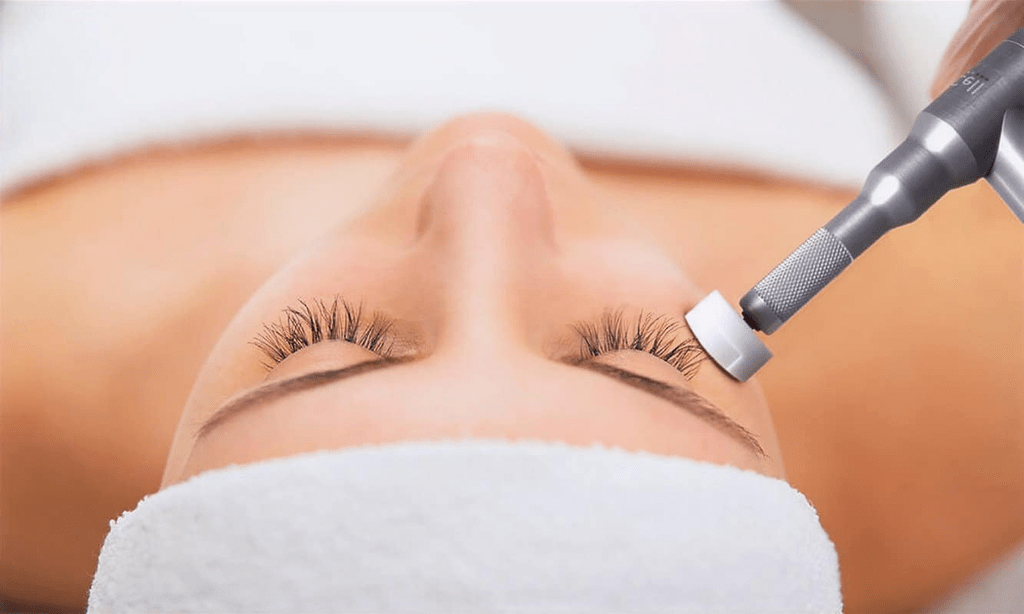
Microchanneling Guide: Everything You Need to Know About This Professional Skin Rejuvenation Treatment
Healthy-looking skin is often associated with confidence, vitality, and overall well-being, but maintaining a smooth and youthful appearance can become more challenging as the years pass. Natural aging, sun exposure, environmental stress, acne, scars, uneven texture, and changes in collagen production can all affect the way skin looks and feels. While traditional skincare products can provide valuable daily support, some concerns require treatments that work more deeply within the skin. Modern aesthetic procedures have introduced a variety of approaches designed to encourage the body’s natural renewal processes while improving texture, tone, and firmness. Among these options, collagen-focused treatments have become increasingly popular for people seeking visible improvement without relying solely on invasive procedures.
One treatment that has gained attention in modern skincare is microchanneling, an approach designed to create controlled micro-injuries in the skin to encourage its natural healing response. The process is intended to stimulate collagen and elastin production, two proteins that play important roles in maintaining skin structure and elasticity. As the skin responds to the treatment, new tissue development can gradually improve the appearance of fine lines, uneven texture, enlarged pores, and certain types of scarring. Understanding how this procedure works, what it may help address, and what to expect during recovery can help individuals make more informed decisions about whether it is appropriate for their skincare goals.
Understanding How Skin Changes Over Time
Skin is constantly changing, and many of those changes are part of the natural aging process. Collagen production tends to decrease over time, while elastin fibers can become less resilient. These changes may contribute to fine lines, reduced firmness, rougher texture, and a less even appearance. Repeated exposure to sunlight can accelerate some of these effects by contributing to collagen breakdown and other forms of skin damage. Lifestyle factors, environmental exposure, genetics, and general skincare habits can also influence how quickly visible changes develop.
Acne and other skin conditions can leave additional concerns behind. Once active acne has improved, some individuals are left with depressed scars, uneven texture, or discoloration that can persist for years. Enlarged pores and rough areas can also become more noticeable over time. Although topical products may help support overall skin health, deeper structural concerns can be more difficult to address with skincare alone.
This is why collagen-stimulating treatments have become an important part of many professional skincare plans. Rather than simply covering imperfections, these treatments aim to encourage the skin’s own regenerative processes. Results generally develop gradually because collagen remodeling takes time. This means that treatment should be viewed as a process rather than an instant transformation.
What Microchanneling Is Designed to Do
Microchanneling is a minimally invasive skin treatment that uses a specialized device to create controlled microscopic channels in the skin. These channels trigger a natural wound-healing response without intentionally causing the type of extensive injury associated with more aggressive procedures. The body’s response to the controlled stimulation can involve increased collagen and elastin production, which may gradually improve the structure and appearance of the treated area.
The procedure is commonly associated with concerns such as uneven skin texture, fine lines, mild scarring, and visible pores. Because the treatment focuses on stimulating natural renewal, improvements tend to appear progressively rather than immediately. The exact outcome can depend on factors including skin condition, age, treatment depth, individual healing response, and the number of sessions performed.
One of the attractive features of this approach is its versatility. It may be used on different areas of the body depending on the treatment plan and the technology being used. The face is a common treatment area, but professionals may also consider other areas where texture or scarring concerns exist. A proper consultation is important because not every skin concern responds equally well to the same procedure.
The Role of Collagen in Skin Health
Collagen is one of the most abundant structural proteins in the body and plays a major role in maintaining skin strength and support. Younger skin typically has greater collagen production and more organized structural components, which contributes to firmness and resilience. As collagen production declines, the skin can gradually lose some of its structural support.
Stimulating collagen production is therefore a major objective of many aesthetic treatments. Instead of attempting to physically fill or cover every visible imperfection, collagen-focused procedures encourage the body to participate in the improvement process. This can produce changes that develop naturally over time as the skin remodels itself.
Collagen remodeling does not happen overnight. The body needs time to produce new structural proteins and integrate them into existing tissue. This is why treatment plans may involve multiple sessions separated by appropriate recovery periods. A qualified skincare professional can assess the condition of the skin and recommend a schedule based on individual needs rather than applying the same approach to everyone.
Concerns That May Benefit From Treatment
Skin texture is one of the most common reasons people explore collagen-stimulating procedures. Uneven texture can make the surface of the skin appear rough or inconsistent, particularly when viewed under bright or direct lighting. By encouraging skin renewal, treatments designed around controlled micro-injury may help create a smoother and more refined appearance over time.
Fine lines are another common concern. These lines can develop as collagen levels decrease and repeated facial movements affect the skin. While a collagen-focused treatment cannot stop the aging process, supporting collagen production may help improve the appearance of certain fine lines and contribute to firmer-looking skin.
Acne scars can be more complicated because they vary significantly in depth and structure. Some scars are shallow and respond more readily to resurfacing or collagen-remodeling techniques, while deeper scars may require combination approaches. A professional assessment is necessary to determine whether a particular treatment is appropriate and what kind of results may reasonably be expected.
Enlarged pores and mild unevenness may also improve as the skin becomes smoother and more structurally supported. However, pore appearance is influenced by genetics, oil production, skin elasticity, and other factors, so no treatment should be presented as a permanent method of eliminating pores.
What a Professional Consultation Involves
A consultation is an important part of any professional aesthetic treatment. Before recommending a procedure, a qualified practitioner should evaluate the skin’s current condition, discuss the individual’s concerns, review relevant medical and skincare history, and determine whether the treatment is appropriate. This process allows potential risks and limitations to be discussed before treatment begins.
The consultation should also establish realistic expectations. Skin treatments can produce meaningful improvements, but results vary between individuals. Factors such as age, skin type, scar depth, lifestyle, sun exposure, and healing response can influence outcomes. A responsible provider should explain what the treatment may realistically accomplish rather than promising perfect or permanent results.
Individuals should also disclose current skincare products and professional treatments. Certain active ingredients or recent procedures may require temporary changes to the skincare routine before or after treatment. Providing complete information allows the practitioner to develop a safer and more appropriate plan.
Preparing for a Skin Treatment
Preparation can help support a smoother treatment experience and recovery period. The practitioner may recommend avoiding certain products or procedures before the appointment, particularly those that can increase skin sensitivity. Strong exfoliating ingredients, aggressive treatments, or excessive sun exposure may need to be limited depending on the individual’s circumstances.
Protecting the skin from excessive sunlight is particularly important. Recently exposed or irritated skin may be more sensitive and could respond unpredictably to certain procedures. Consistent use of appropriate sun protection is generally an important part of responsible skincare, both before and after professional treatments.
Individuals should also arrive with clean skin and follow any specific instructions provided by their practitioner. Because preparation recommendations can vary according to the device, treatment depth, and individual’s skin condition, professional instructions should take priority over generic advice.
What the Treatment Experience May Be Like
During a typical session, the skin is cleansed and prepared before the practitioner uses the specialized device over the treatment area. A topical numbing product may sometimes be used depending on the treatment approach, sensitivity, and depth. The device creates controlled microchannels while the practitioner carefully manages the treatment area.
The sensation can vary from person to person. Some individuals describe mild prickling, pressure, warmth, or discomfort, while others may experience greater sensitivity in certain areas. Treatment duration also varies according to the size of the area being treated and the specific technology used.
After the procedure, the skin may appear red or feel warm, similar to a mild sunburn. Some individuals may experience temporary tightness, sensitivity, dryness, or swelling. These effects generally improve as the skin begins to recover, but the expected recovery period depends on the intensity of the procedure and individual healing characteristics.
Understanding the Recovery Period
Post-treatment care is an important part of achieving a good outcome. The skin may be more sensitive immediately after treatment, so following professional aftercare instructions is essential. The practitioner may recommend specific skincare products designed to support the skin barrier while advising the individual to avoid certain active ingredients temporarily.
Sun protection is particularly important during recovery because treated skin can be more sensitive to environmental exposure. Excessive sun exposure can contribute to irritation and pigmentation changes. Using suitable protective measures and following professional recommendations can help minimize unnecessary stress on the skin.
Individuals should also avoid picking, scratching, or aggressively exfoliating the treated area. Although temporary dryness or peeling may occur, forcibly removing flakes can interfere with normal healing and increase irritation. The skin should generally be allowed to recover naturally.
Why Results Develop Gradually
One of the most important things to understand about collagen-stimulating procedures is that results are usually progressive. The treatment initiates a biological response, but the body needs time to produce and remodel collagen. Immediate changes may therefore be limited to temporary improvements in skin hydration or surface appearance rather than the full structural benefits.
Over the following weeks, collagen remodeling may contribute to improvements in firmness, texture, and the appearance of certain scars or fine lines. Multiple sessions may be recommended when a more significant change is desired. The number of sessions depends on the individual’s starting condition and treatment goals.
Patience is therefore an important part of the process. Comparing the skin immediately after treatment with the final expected outcome can create unrealistic expectations. Professional providers typically evaluate progress over a longer period and may adjust the treatment plan according to how the skin responds.
Combining Professional Treatment With Good Skincare
Professional procedures generally work best when they are supported by a consistent skincare routine. Cleansing, moisturizing, and sun protection can help maintain the skin barrier and protect the improvements achieved through treatment. A personalized skincare routine may also include ingredients designed to address specific concerns such as pigmentation, dryness, or signs of aging.
However, more skincare is not always better. Using too many active products can cause irritation, particularly when the skin is recovering from a professional procedure. Individuals should follow the recommendations of their practitioner and gradually reintroduce products as appropriate.
Healthy lifestyle habits can also support skin appearance. Adequate hydration, balanced nutrition, sufficient sleep, and protection from excessive sun exposure all contribute to general skin health. Professional treatment should complement these habits rather than replace them.
Understanding Potential Risks and Limitations
Although many people tolerate minimally invasive skin treatments well, no cosmetic procedure is completely without risk. Temporary redness, swelling, tenderness, dryness, or irritation can occur. In some cases, individuals may experience pigmentation changes, prolonged irritation, infection, or other complications. The likelihood of a particular side effect can depend on skin type, treatment intensity, technique, aftercare, and individual health factors.
This makes provider selection extremely important. Treatments should be performed by appropriately trained professionals using suitable equipment and hygienic procedures. Individuals should be encouraged to ask questions about the technology being used, expected recovery, possible side effects, and appropriate aftercare.
Certain individuals may not be suitable candidates for specific procedures. Active skin infections, certain inflammatory conditions, impaired healing, recent procedures, or particular medications may affect eligibility. A professional evaluation is therefore necessary before proceeding.
Choosing an Appropriate Treatment Provider
The quality of the provider can have a significant influence on both safety and results. Individuals should seek professionals who are properly trained in the specific treatment being offered and who follow appropriate hygiene and safety standards. Experience with different skin types and concerns can also be valuable.
During a consultation, potential clients should feel comfortable asking how the procedure works, what device will be used, how many treatments may be recommended, and what recovery typically involves. A trustworthy professional should be willing to discuss both benefits and limitations rather than focusing exclusively on positive outcomes.
Before-and-after photographs may provide examples of previous results, but they should not be interpreted as guarantees. Every individual’s skin responds differently. A good provider will explain what may be achievable based on the person’s particular condition rather than promising that identical results will occur.
Making an Informed Decision About Skin Renewal
Choosing a professional skin treatment is a personal decision that should be based on realistic expectations and reliable information. Microchanneling can be an appealing option for individuals who want to improve texture, fine lines, pores, or certain types of scarring through a treatment designed to stimulate the body’s natural collagen response. However, suitability depends on individual skin characteristics and overall circumstances.
The decision should begin with a professional consultation rather than an assumption that one treatment is appropriate for everyone. Understanding the procedure, recovery requirements, possible risks, expected timeline, and potential need for multiple sessions can help individuals make a more informed choice.
It is also important to consider long-term skincare habits. Protecting the skin from excessive sun exposure, maintaining a healthy skin barrier, and using appropriate products can help preserve improvements after professional treatment. Skin renewal should be viewed as part of an ongoing approach to skin health rather than a single procedure that permanently prevents aging.
Final Thoughts on Modern Collagen-Focused Skincare
Advances in aesthetic skincare have created more options for individuals who want to improve the appearance and texture of their skin without immediately turning to highly invasive procedures. Collagen-stimulating treatments work by encouraging the body’s natural repair mechanisms, offering a gradual approach to concerns such as uneven texture, fine lines, enlarged pores, and selected types of scarring.
Microchanneling can provide a useful option for appropriately selected individuals, particularly when performed by a qualified professional who understands the treatment technology and the needs of different skin types. However, successful results depend on more than the procedure itself. Proper preparation, professional technique, appropriate aftercare, sun protection, and realistic expectations all contribute to the overall experience.
Anyone considering a professional skin treatment should take time to research the procedure and discuss their goals openly with a qualified provider. Understanding both the benefits and limitations makes it easier to determine whether a particular treatment fits the individual’s needs. With an informed approach and appropriate professional guidance, modern collagen-focused treatments can become part of a broader skincare strategy aimed at maintaining healthier-looking, smoother, and more resilient skin over time.