Luxury urban residences prioritize automated light control to enhance modern living
City living brings striking skyline views alongside close contact with neighbors and street traffic. Floor-to-ceiling glass walls flood living rooms with sunshine, but they expose private quarters to onlookers in nearby buildings. Balancing natural daylight with everyday privacy remains a constant challenge for luxury homeowners. Automated shading delivers a clean architectural answer that keeps daytime brightness without giving up peace of mind.
The Architectural Realities of Metropolitan Living
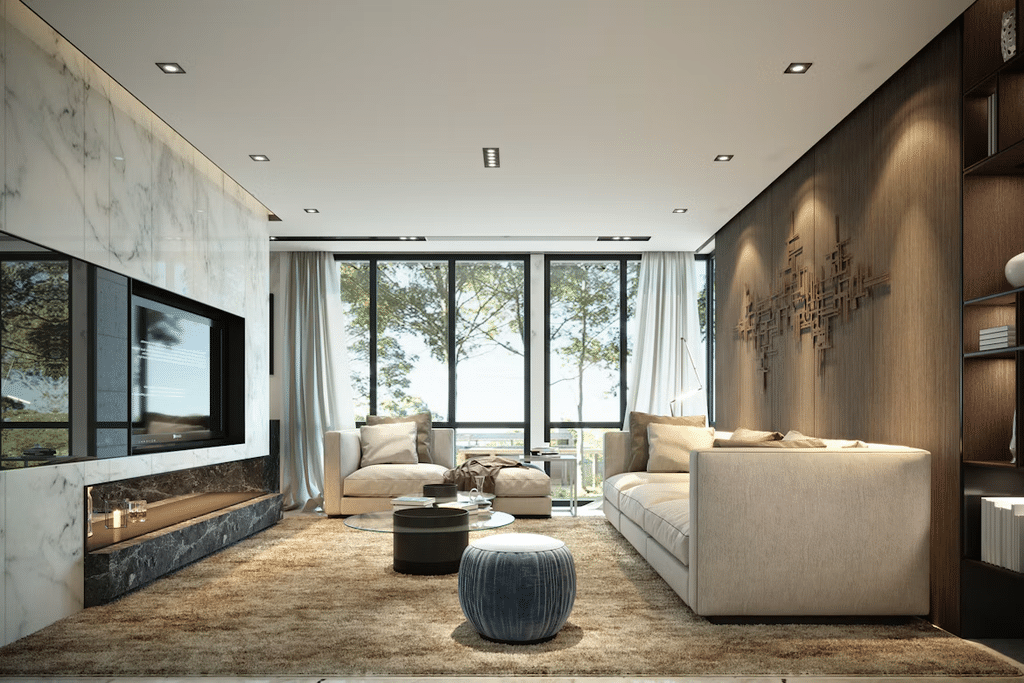
Historic townhouses and sleek modern towers define the character of major city neighborhoods. Large windows create open spaces that showcase sweeping city sights. These tall glass panels put daily routines on display for neighboring buildings just 20 feet away.
Lower floors face steady foot traffic from pedestrians glancing up from the sidewalk. Upper penthouses encounter intense glare from neighboring glass towers and midday sun. Standard curtains or manual blinds force residents into an all-or-nothing choice.
Closing heavy drapes turns an airy living room into a dark box. Leaving windows uncovered invites wandering eyes into private family areas. Modern urban homes require flexible tools that balance daylight and privacy without compromises.
Mechanics of Dual-Direction Shading Systems
Standard window coverings restrict movement to a single direction. High-end city homes solve this friction with motorized top-down/bottom-up cellular shades that drop smoothly from the ceiling or rise from the sill. This dual-rail design gives residents precise control over their visual boundary without cutting off daytime skies.
Two quiet motors operate within a single compact headrail to position the fabric stack at any desired height. The top rail lowers to show the sky, tree canopies, and tall building tops. The bottom rail stays elevated at chest height to screen rooms from sidewalk view.
Quiet DC motors position the shades with millimeter accuracy. Homeowners avoid tangled cords or metal chains that clutter window trim. The entire system moves smoothly with the press of a button or an automated schedule.
Privacy Challenges Along Dense City Corridors
Urban density shapes how homeowners manage their exposure in city neighborhoods. Sidewalk activity peaks during morning commutes and evening dinner rushes. Cars, delivery couriers, and open-top tour buses pass right outside lower windows.
Upper floors face sightlines from across narrow streets where nearby balconies sit level with private living suites. Many residents pull down standard shades at 8 AM and leave them closed all day. That defensive habit cuts off the natural light that makes city living appealing.
Standard window shades move in only one direction from top to bottom. That fixed movement fails when you only want to block the lower 4 feet of a window and keep the upper 6 feet open for blue skies. City spaces require smarter mechanics that adapt to changing street conditions.
Integrating Shading Into Smart Home Ecosystems
Automated window treatments work best when connected to whole-home automation hubs. Systems like Control4, Crestron, and Apple HomeKit link shade positions with smart lights and climate controls. Architectural Digest pointed out that smart home technology can elevate any project and set your design apart by complementing architectural aesthetics with effortless daylight control.
Central control lets owners manage 24 windows across 3 floors from a single wall keypad or smartphone app. When you leave in the morning, an “Away” button lowers every shade to protect home privacy. Arriving back home triggers an evening preset that positions shades for night comfort and turns on accent lighting.
Smart integration removes the daily chore of raising and lowering shades by hand. Motorized tracks keep movement uniform across wide window walls. Each panel moves at the same steady speed, maintaining clean lines throughout the room.
Automated Schedules and Daylight Tracking
Modern light management relies on daily schedules rather than constant manual adjustments. Intelligent shading systems use astronomical clocks to track sun angles throughout the year. The shades move quietly as the sun shifts around the building exterior.
East-facing kitchens welcome soft morning sun as shades position themselves to block harsh direct rays. When afternoon heat hits western glass walls, fabrics lower slightly to reduce glare. As dusk settles over the city, the lower rails rise to block sightlines from lit offices across the street.
Cellular Air Barriers and Thermal Insulation
Glass window walls lose heat quickly during cold winter months and absorb heat during humid summers. Honeycomb shade fabrics solve this problem by trapping still air inside structured internal cells. Beasen Home explained that the practical advantage of the cellular structure is the air space created inside the honeycomb cells, giving the window an insulating layer while the fabric handles light and privacy.
These cellular pockets act as physical buffers against outdoor temperature swings. Double-cell fabrics create two layers of trapped air to stop winter chill right at the glass surface. During summer, specialized reflective backings bounce solar rays back outside before heat builds up indoors.
Acoustic Buffers Against Urban Noise
Downtown street noise easily passes through glass panes and disturbs home quiet. City streets act as concrete echo chambers that bounce engine sounds upward into high-rise apartments. Honeycomb fabrics absorb sound waves inside their hollow fabric pockets, working as gentle acoustic buffers.
City living comes with several familiar noise sources that enter through large glass panes. Exterior sounds travel upward and bounce off smooth interior finishes. Glass surfaces frequently expose rooms to these common sounds:
- Sirens from emergency vehicles running along main city avenues.
- Low engine rumbles from idling transit buses and commercial delivery vans.
- Sharp sounds from construction crews and surface transit lines.
- Loud street chatter bouncing off sidewalk surfaces below.
Protecting Art and Interior Finishes
Direct sun exposure causes long-term damage to expensive furniture and delicate finishes. Strong ultraviolet rays bleach expensive wood floors, dry out leather seats, and fade prized art collections. Automated cellular fabrics block up to 99% of damaging UV rays without making rooms dark and gloomy.
Automated light sensors measure daily solar intensity on southern and western windows. When UV radiation peaks at midday, shades drop to guard valuable oil paintings and wool rugs. Homeowners can leave for summer vacations knowing their furnishings remain safe from sun fading.
Sheer and semi-opaque fabric weaves filter harsh rays into a pleasant indoor glow. Art collectors can display delicate paintings in bright living rooms without risking paint damage. The durable fabrics resist fading themselves, looking fresh across years of daily sun exposure.
Energy Efficiency in Concrete and Glass Towers
Expansive window walls generate heavy air conditioning loads for urban residential buildings during hot summer months. Automated shades manage heat gain before it strains central heating and cooling systems. High-rise properties rely on automated window coverings to hit green building standards.
Smart shading delivers reliable energy savings across four key operational areas. Automated movements respond directly to daily sunlight levels and outdoor temperatures. Properties using scheduled shading gain noticeable benefits across several building systems:
- Lower peak cooling loads that trim residential electric bills by up to 15% each year.
- Less mechanical strain on high-capacity building heat pumps through steady temperature control.
- Reduced need for artificial lights by drawing natural daylight deep into living areas.
- Smaller carbon footprints that help residential towers earn green certifications.
Automating daylight control transforms how residents experience luxury city living. Dual-direction shade movement blocks street-level sightlines and floods high-rise rooms with open sky views. Linking quiet motors to smart platforms makes daily home management effortless. Adding thermal barriers and sound dampening turns busy urban apartments into quiet, comfortable retreats.