Kenya Safari Tours, Uganda Safari Tours & Zanzibar Honeymoon: The Ultimate East Africa Travel Guide
There’s a particular kind of trip that keeps showing up in travel planning groups and honeymoon forums: a few days chasing lions across open grassland, a muddy, thigh-burning hike to sit with mountain gorillas, and then… nothing but ocean, hammocks, and seafood for a week. It sounds almost too good to plan on your own, and honestly, it kind of is. That’s why so many couples and first-time safari-goers start their research by looking into Kenya safari tours, then get curious about Uganda, then realize Zanzibar is sitting right there off the Tanzanian coast, practically begging to be the final chapter.
Kenya gives you the safari most people picture when they close their eyes and think “Africa” — dust, acacia trees, a pride of lions lounging under one of them. Uganda takes things a step further into the forest, where gorilla trekking and dense jungle trails offer something rawer and more physical. Zanzibar, meanwhile, is where the trip slows down, where you trade binoculars for sunscreen and cocktails.
None of these three destinations is objectively “the best.” It really comes down to how much walking you’re willing to do, how much time you have, what your budget looks like, and whether you’re traveling to see wildlife, challenge yourself physically, or just unwind with someone you love. This guide walks through each piece honestly, with the kind of practical detail you’d want from someone who’s actually thought through the logistics — not just a list of pretty places.
Kenya Safari Tours — The Classic East African Wildlife Experience
Why Choose Kenya for a Safari?
If this is your first time doing anything resembling a safari, Kenya is usually the easier starting point. The landscape does a lot of the work for you — wide-open savannah, long sightlines, and a concentration of wildlife that makes game drives feel productive even if you only have a few days to spare. There’s a real difference between a classic game-drive safari, where you’re mostly seated in a vehicle scanning the plains, and the forest-based trekking you’ll find in Uganda, where you’re on foot and the animals are harder to spot but arguably more rewarding when you do.
Kenya suits travelers who want big skies, dramatic predator sightings, and a trip that doesn’t demand much physical exertion beyond early wake-up calls.
Best Places to Include in a Kenya Safari
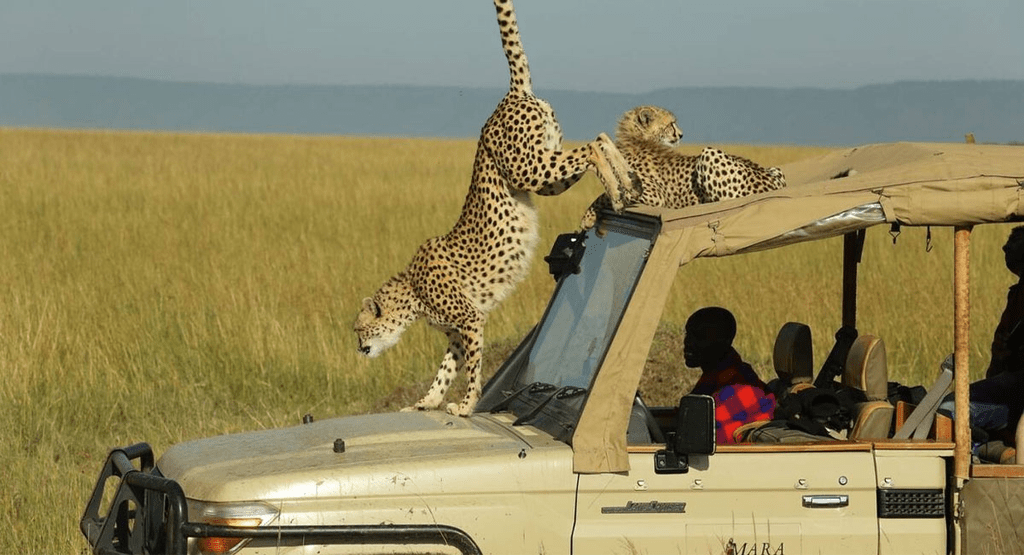
Maasai Mara National Reserve is where most Kenya itineraries begin, and for good reason. This is big-cat country — lions, leopards, and cheetahs all turn up here with enough regularity that most visitors leave with at least one memorable predator sighting. The reserve sits at the northern edge of the broader Mara-Serengeti ecosystem, which means the wildlife density stays high even outside the famous wildebeest migration months. For someone doing their first safari, the Mara is about as reliable as it gets.
Amboseli National Park offers something quite different. The elephant herds here are the draw, often photographed against the backdrop of Mount Kilimanjaro on clear mornings. The terrain is flatter and more open than the Mara, with fewer trees breaking up the view, which makes it easier to watch animal behavior unfold across long distances. Where the Mara feels dense and dramatic, Amboseli feels more spacious and, some would say, more photogenic.
Lake Nakuru and other parks worth considering depend on how much time you’ve got. Nakuru brings a different habitat into the mix — a soda lake environment known for birdlife and, on a good day, black or white rhino sightings. Adding a third park like this makes more sense on a longer, multi-park itinerary rather than a quick five-day trip, since the extra driving time needs to actually pay off in variety.
How Many Days Do You Need?
A short safari — three or four days focused on one park, usually the Mara — works fine if you’re tight on time or combining Kenya with other destinations. For a more comfortable first safari that isn’t rushed, five to seven days lets you split time between two parks without feeling like you’re constantly packing and unpacking. Longer, multi-park itineraries stretching past a week make sense for travelers who want variety in landscape and wildlife rather than just repeated game drives in one ecosystem.
When Is Kenya Best for Safari?
The dry season, roughly from June through October, is when wildlife clusters more predictably around water sources, which generally means easier sightings. It’s also when the Mara migration crossings happen, if that’s on your list. The green season, on the other hand, brings lush scenery, fewer crowds, and often better rates — the trade-off is that animals are more dispersed and harder to track down. Neither is objectively “better.” It depends on whether you’re prioritizing guaranteed wildlife action or a quieter, greener, less expensive trip. Travelers building out Kenya safari tours around a specific month should really be asking themselves which of those two things matters more, because chasing both at once rarely works.
Uganda Safari Tours — Wildlife Plus Gorilla Trekking
What Makes Uganda Different From Kenya?
Uganda isn’t trying to be Kenya, and honestly, it shouldn’t be compared too closely. It blends traditional savannah safari areas with tropical forest and primate encounters, giving the country a more varied travel experience overall — you’re not just doing game drives day after day. For anyone whose main priority is gorilla trekking, Uganda is really the obvious answer, since it offers some of the most accessible mountain gorilla encounters on the continent.
Gorilla Trekking: Bwindi and Mgahinga
Bwindi Impenetrable National Park lives up to its name. This is dense, ancient rainforest, and the trekking itself can be genuinely tough — steep terrain, thick vegetation, mud that clings to your boots regardless of the season. Trekkers should go in expecting a physical challenge, not a leisurely walk. The payoff, when a gorilla family finally comes into view through the undergrowth, tends to make people forget how hard the climb was.
Mgahinga Gorilla National Park offers a smaller-scale version of the same experience, set against a striking volcanic landscape as part of the wider Virunga ecosystem shared with Rwanda and the Democratic Republic of Congo. It sees far fewer visitors than Bwindi, which some travelers actually prefer, though gorilla movement across the border means trekking availability here can be less predictable.
Other Uganda Wildlife Experiences
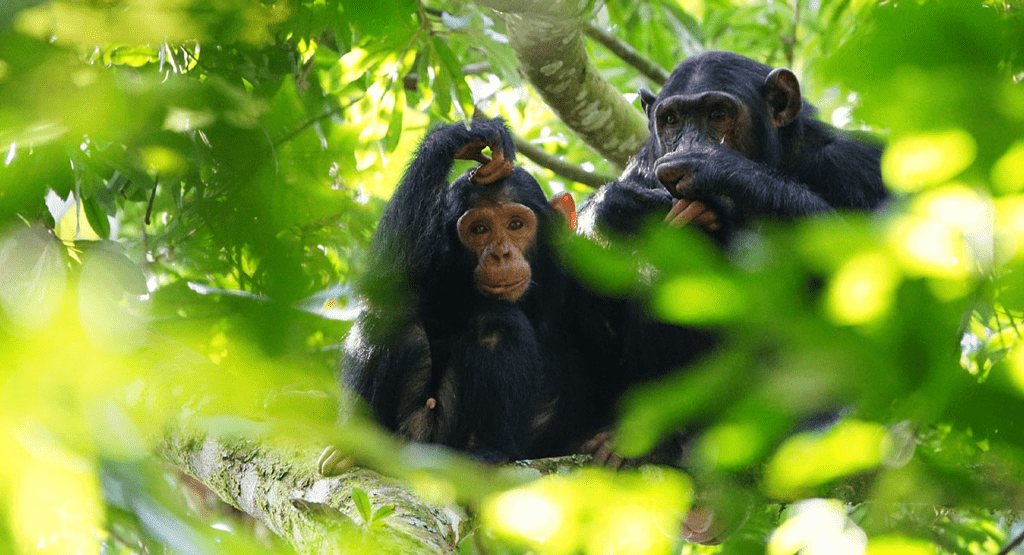
Beyond the gorillas, Uganda has plenty going on. Queen Elizabeth National Park is known for tree-climbing lions and boat-based wildlife viewing along the Kazinga Channel, where hippos and crocodiles gather in numbers that rival anything in Kenya. Murchison Falls National Park pairs dramatic waterfall scenery with strong game viewing and its own boat safaris along the Nile. Chimpanzee trekking, usually done in Kibale Forest, adds another primate experience distinct from the gorillas — chimps are more active and vocal, and the trek itself is considerably easier.
How Many Days Should You Spend in Uganda?
A gorilla-focused short trip can run three to four days if trekking is your only priority and you’re flying in specifically for that. A combined safari-and-gorilla itinerary, mixing something like Queen Elizabeth or Murchison Falls with a Bwindi trek, tends to run closer to seven to ten days. A longer Uganda circuit covering multiple parks plus chimp trekking can easily stretch past two weeks for travelers who want the full picture.
Who Should Choose Uganda?
Uganda tends to suit gorilla enthusiasts first and foremost, along with travelers who specifically want forests and primates rather than open plains. It’s also a strong pick for repeat safari travelers looking for something different from their first Kenya or Tanzania trip, and for anyone comfortable with more physically active travel — this isn’t a sit-in-the-vehicle-all-day kind of country. Between Kenya safari tours and Uganda safari tours, the decision usually comes down to whether gorillas and forest trekking matter more to you than classic savannah scenery, since both destinations genuinely deliver on what they promise.
Best African Tours — How to Choose the Right East Africa Combination
Kenya vs Uganda: Which Safari Is Better?
There isn’t a universal winner here, but a rough comparison helps clarify things based on what actually matters to you as a traveler.
| Traveler priority | Better fit |
| First classic African safari | Kenya |
| Big savannah landscapes | Kenya |
| Gorilla trekking | Uganda |
| Primates and forests | Uganda |
| Safari + beach combination | Kenya/Uganda + Zanzibar |
| More active adventure | Uganda |
| Classic wildlife photography | Kenya |
“Best” really is a personal question rather than a fixed ranking. Some of the best African tours combine elements of both countries precisely because they cover different needs — one for wide-open wildlife photography, the other for a more immersive forest encounter.
Can You Combine Kenya, Uganda and Zanzibar?
Yes, and plenty of travelers do exactly this. It just needs more careful planning than a single-country trip, mainly because the safari parks and Zanzibar are geographically separated by a fair distance, and regional flights or transfers eat into your schedule more than people expect. The biggest mistake is trying to cram all three destinations into a week or ten days — you end up spending more time in transit than actually experiencing anywhere. Building in buffer time between each leg, especially around flight connections, saves a lot of stress. Gorilla trekking permits deserve particular attention here, since they’re limited, need to be booked well in advance, and should really function as the anchor point around which the rest of the itinerary gets built, not an afterthought squeezed in at the end.
Example East Africa Trip Structure
A conceptual structure that comes up often looks something like this: Kenya safari first, Uganda gorilla experience next, Zanzibar beach stay to close it out. Kenya delivers the classic savannah wildlife everyone pictures. Uganda brings the gorilla and forest adventure that turns the trip into something more personal and physically memorable. Zanzibar then gives the whole thing a proper ending — relaxation, romance, and a chance to actually process everything you just saw before flying home.
Zanzibar Honeymoon — Ending the Adventure by the Indian Ocean

Why Zanzibar Works for a Honeymoon
After several days of early-morning game drives or a genuinely exhausting gorilla trek, most couples aren’t looking for more activity — they’re looking for a lounge chair and an ocean view. Zanzibar delivers that shift in pace almost immediately. The Indian Ocean coastline here has that turquoise-water, white-sand look that photographs well but also just feels good to be near, and the accommodation options range from intimate boutique lodges to larger beach resorts, depending on what kind of honeymoon atmosphere you’re after. Coming straight off a physically demanding safari, the slower rhythm of island life tends to land differently than it would as a standalone beach holiday.
What Couples Can Do in Zanzibar
Beach days are obviously the centerpiece, but Zanzibar Honeymoon offers more than just sand time. Sunset experiences along the western beaches are genuinely worth building an evening around. Stone Town, the old quarter of Zanzibar City, gives couples a cultural break from the beach with its narrow alleys, spice markets, and centuries of trading history layered into the architecture. Snorkeling and diving trips out to the reef are popular where conditions allow, and spice tours through the island’s plantations offer a low-key half-day activity that doesn’t feel like “sightseeing” in the exhausting sense. Private dinners on the beach and boat excursions to nearby sandbanks round out the more romantic side of things, though there’s no need to fill every day — part of the appeal is doing less.
How Many Days Are Ideal?
Couples with limited time can get a satisfying taste of Zanzibar in three to four days, especially if the beach itself is the main draw. A longer stay of six to eight days allows for a genuinely slower honeymoon pace, with room for both activity days and do-nothing days. Piling on too many excursions, though, tends to defeat the point — if you’re treating Zanzibar like another leg of the safari, you’ve missed what makes it valuable as the trip’s closing chapter.
Best Areas for Different Honeymoon Styles
Nungwi and Kendwa, on the northern tip, are the beach-focused choice — calmer waters and a livelier stretch of resorts and bars. Matemwe, on the northeast coast, offers a quieter atmosphere for couples who want fewer crowds. Paje, further south, has a relaxed, slightly bohemian coastal character and is popular with kitesurfers. Stone Town itself isn’t really a beach base — it’s better suited to travelers who want a couple of culture-and-history nights bookending their beach time rather than a full stay.
How to Plan the Trip — Timing, Budget, Flights and Practical Details
Best Time for a Combined East Africa Trip
Safari seasonality in Kenya, gorilla trekking conditions in Uganda, and Zanzibar’s weather patterns don’t perfectly align, so combining all three destinations usually means accepting a practical compromise rather than chasing one flawless month. Uganda’s gorilla trekking is possible year-round, though trails are muddier and tougher during the rainy seasons. Kenya’s dry season overlaps reasonably well with Zanzibar’s drier months, which is part of why that pairing comes up so often in itinerary planning.
Budget Planning
The main cost categories to plan around include international flights, domestic or regional flights between countries, park entry fees, safari vehicle and guide costs, accommodation across all three destinations, the gorilla trekking permit itself, Zanzibar hotel stays, ground transfers, meals and activities, and travel insurance. Costs vary widely depending on accommodation level and season, so it’s worth getting quotes rather than assuming a fixed package price applies across the board.
What to Pack
Keep it practical: lightweight, breathable clothing for the heat, comfortable closed shoes for walking safaris and gorilla trekking, rain protection for forest areas, strong sun protection, a decent pair of binoculars, a camera with a reasonable zoom, insect repellent, a small daypack for game drives and treks, and separate sturdier clothing — long sleeves, trekking trousers, gloves if you have them — specifically for the Bwindi or Mgahinga hike.
Booking Advice
Check gorilla permit availability before locking in the rest of your itinerary, since this is usually the most limited element. Confirm internal flight times and transfer windows carefully, especially between safari areas and Zanzibar. Look at accommodation location, not just the star rating — a lodge miles from the park gate changes your daily schedule. Ask exactly what’s included in safari fees, since park entry, meals, and guide costs aren’t always bundled the same way across operators. And build in realistic time between major connections rather than assuming everything will run on schedule.
Choosing a Safari Operator
Before booking anything, it’s worth checking a few things regardless of which operator you go with: a clearly laid-out itinerary, transparent inclusions and exclusions, experienced guides, well-maintained vehicles, confirmed park permits and entry arrangements, proper handling of gorilla permits specifically, arranged airport and hotel transfers, some form of emergency or on-trip support contact, recent independent reviews rather than just testimonials on the operator’s own site, and clear cancellation terms in case plans change. Comparing a few established names side by side — operators like Africa Joy Tours among others — before committing tends to save a lot of headaches once you’re actually on the ground.
Final Thought — Build the Trip Around Experiences, Not Just Countries
Kenya, Uganda, and Zanzibar each offer something the other two don’t. Kenya gives you the wide-open savannah and predator sightings that define the classic safari image. Uganda brings gorillas, forest trekking, and a rawer, more physical kind of wildlife encounter. Zanzibar closes things out with the beach, the ocean, and a pace slow enough to actually enjoy each other’s company after days of early wake-up calls.
Rather than picking a destination because it’s cheapest or most talked-about online, it’s worth comparing itineraries against what you actually want out of the trip — wildlife density, physical activity level, romance, or some combination of all three. If you’re weighing your options and want to talk through dates, trip length, budget, and what matters most to you, that conversation is really where a good East Africa itinerary starts.
FAQs — Real Questions Travelers Ask Before Booking
Are Kenya safari tours suitable for first-time visitors to Africa?
Yes, generally. The open landscapes make wildlife easier to spot without much hiking or physical demand, and the logistics — flights, lodges, guided game drives — are well established, which makes Kenya a fairly forgiving place to start.
Are Uganda safari tours worth it if I mainly want to see gorillas?
Absolutely, though it’s worth pairing the trek with at least one other park if your schedule allows. Queen Elizabeth or Murchison Falls add conventional safari wildlife to the trip, so you’re not flying all that way for a single day of trekking.
Is Kenya or Uganda better for a safari?
It depends on what you value more — Kenya edges ahead for classic savannah scenery, big cats, and easier logistics, while Uganda wins for gorilla trekking, forest primates, and a more physically active style of travel. Neither is “better” in absolute terms.
How many days do I need for a Kenya, Uganda and Zanzibar trip?
Somewhere around two to three weeks tends to work more comfortably for a three-destination trip, mainly because of transfer and flight time between them. It’s possible to do it shorter, but the pace gets noticeably more rushed.
Is Zanzibar good for a honeymoon after a safari?
Yes — the contrast is actually part of what makes it work. Ending an active, early-rising safari itinerary with several slow beach days gives couples time to properly unwind rather than flying home straight from the bush.
What should I book first for a Kenya, Uganda and Zanzibar holiday?
Gorilla trekking permits first, since availability is limited and dates fill up. From there, build flights, safari accommodation, and Zanzibar stays around that fixed anchor point.