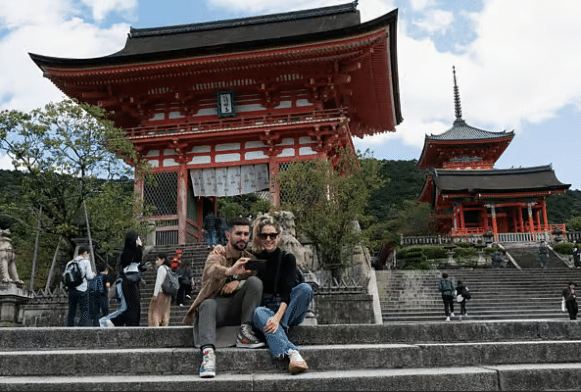
Japan Beyond the Checklist: A Thoughtful Travel Plan for UAE Residents
Japan is one of those destinations that can feel familiar before the first visit. Its food, design, fashion, cinema and technology travel widely, creating an image of a country that is at once ultramodern and deeply traditional. The reality is more nuanced—and more rewarding. A quiet neighborhood shrine, a precisely prepared seasonal meal or an unplanned conversation can become as memorable as Tokyo’s skyline or Kyoto’s most celebrated temples.
For travellers leaving Dubai, the journey is long enough to deserve careful preparation. The aim should not be to schedule every minute. It should be to handle the essential formalities and scarce reservations early, then preserve enough space to experience Japan rather than merely pass through it.
## Resolve entry requirements before booking the dream itinerary
Visa requirements depend on nationality, purpose of travel, intended stay and personal circumstances—not simply on UAE residence or the departure airport. Travellers should establish which rules apply to their passport before paying for inflexible flights and hotels.
Those seeking professional help with a japan visa from dubai can begin by reviewing the available application support and preparing a destination-specific evidence file. A strong visitor application should present a consistent account of the trip: why the traveller is going, where they plan to stay, how they will fund the visit and why they will return to the UAE.
The issuing authority makes the final decision, and current requirements should always be confirmed through Japan’s official Ministry of Foreign Affairs or the appropriate Japanese diplomatic mission. Names, dates and costs should agree across the form, itinerary, accommodation bookings, employment evidence and financial records.
Travellers who are still deciding between East Asian destinations may also find it useful to compare the process for a South Korea visa from Dubai. Comparing entry formalities early helps prevent a beautifully planned route from being built around incorrect assumptions.
## Build the trip around two or three strong bases
For a first visit, Tokyo and Kyoto make a compelling pair. Tokyo offers distinct neighborhoods rather than a single centre: Ginza for polished retail and architecture, Shibuya and Harajuku for youth culture, Asakusa for an older streetscape, and quieter areas such as Daikanyama or Kiyosumi-Shirakawa for cafés, galleries and design.
Kyoto changes the rhythm. Temples, gardens and traditional streets reward early mornings, patient walking and a willingness to move beyond the most photographed viewpoints. Osaka can add an energetic food-focused stop, while Hakone or the Fuji Five Lakes provide a restorative change of scenery.
Avoid turning every interesting place into an overnight stay. Hotel changes consume more time and energy than rail maps suggest. Two or three bases with thoughtful day trips often create a richer journey than a hurried circuit of six cities.
## Reserve what is genuinely scarce
Some experiences require advance planning: acclaimed small restaurants, seasonal events, sought-after ryokan, limited-entry museums and particular observation decks. Identify the trip’s two or three non-negotiable experiences and secure those first.
The rest of the schedule should retain breathing room. Japan rewards wandering. An unscheduled afternoon can lead to a local shopping street, a tiny gallery or a restaurant that would never appear on a rigid list. The objective is not to leave the itinerary empty, but to prevent reservations from turning each day into a race.
## Make transport decisions with arithmetic
Japan’s trains are exceptionally useful, but a famous rail pass is not automatically the most economical choice. Price the actual long-distance journeys, then compare them with current regional or national pass costs and coverage. A trip focused on one region may be better served by individual tickets and a rechargeable local transit card.
Luggage forwarding can make a multi-city route far more comfortable, particularly when navigating busy stations. Keep passports, medication, electronics and one change of clothes in hand luggage in case a forwarded suitcase arrives the following day.
Travellers considering several international trips from the Emirates can browse Oki Doki’s wider visa services for UAE residents to compare destinations before fixing a broader travel calendar.
## Treat etiquette as part of the experience
Visitors are not expected to know every social convention, but attention and restraint are appreciated. Queue in order, keep calls quiet on public transport, follow posted photography rules and check whether shoes must be removed. Temples, shrines and historic districts are living places, not film sets.
Public rubbish bins can be less common than some travellers expect, so carrying a small bag for personal waste is practical. On trains and in shared spaces, observe what local passengers are doing before eating, speaking loudly or moving large luggage.
A few Japanese phrases can transform routine interactions. A greeting, a thank-you and a polite request communicate respect even when a longer conversation is impossible.
## Prepare for seasonal and practical realities
Japan changes dramatically across the year. Spring blossoms and autumn foliage bring beauty as well as demand. Summer can be intensely hot and humid, while winter conditions vary from mild, clear days in Tokyo to deep snow in northern and mountain regions.
UAE travellers should check the climate for every destination rather than packing for a generic idea of Japan. Carry some cash, confirm accommodation check-in rules and discuss dietary restrictions carefully. Digital convenience is widespread, but cards, foreign-language assistance and late check-in are not universal in every small establishment.
Japan does not need to be conquered through an exhaustive checklist. It is better approached with disciplined preparation and a lighter daily schedule. Resolve entry requirements, reserve the experiences that truly matter and understand the transport logic. Then allow the country’s details—its rituals, neighborhoods and quiet precision—to become the real itinerary.