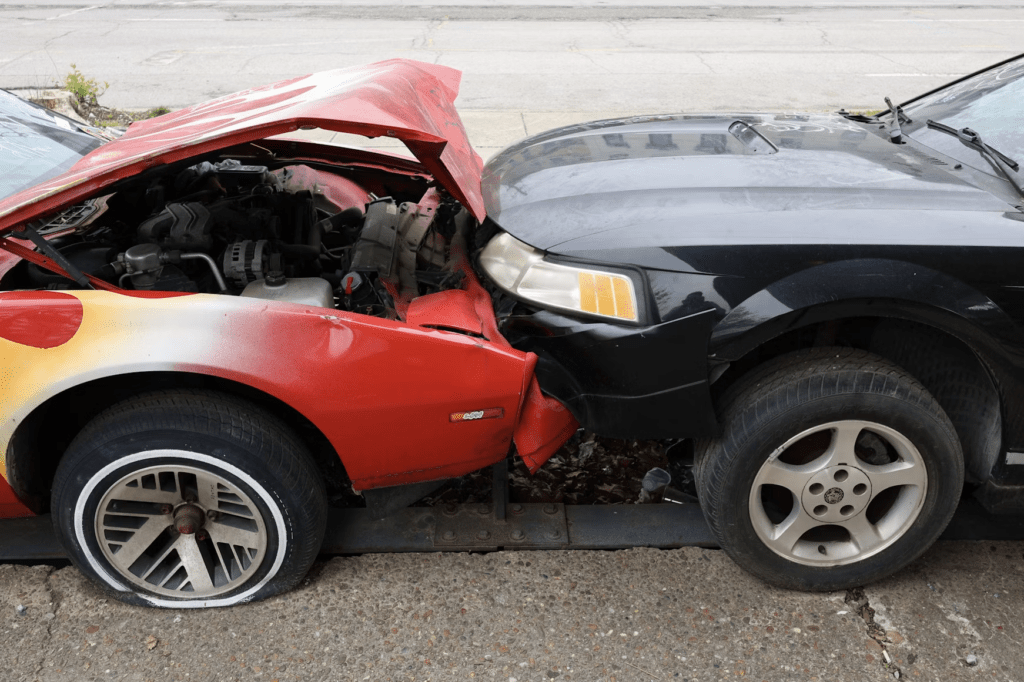
Important Legal Questions to Consider After an Accident
Being involved in a vehicle collision creates immediate stress and uncertainty for motorists. Taking the wrong steps right after a crash hurts financial recovery options and leads to unpaid medical bills. Understanding which actions to take immediately after an incident safeguards your personal well-being and legal rights.
What Immediate Steps Protect Your Legal Rights
Staying calm after a crash helps drivers make clear decisions when gathering evidence at the scene. Legal expert Eric Ramos Law, PLLC says that securing official records quickly protects injury victims against unfair insurance denials. Gathering names, phone numbers, and driver’s license numbers from everyone involved creates a strong foundation for your claim.
Taking photos of vehicle damage and road conditions gives attorneys solid proof during negotiation meetings. Moving vehicles out of moving traffic lanes protects people from secondary collisions.
Calling local law enforcement creates an objective third-party record of what happened on the roadway. Avoiding admissions of fault at the scene stops insurance adjusters from misinterpreting your statements.
Exchanging auto insurance details with all involved drivers remains a baseline step. Taking detailed notes about weather conditions, road hazards, and traffic signal functions strengthens your legal file. Keeping an organized folder of all documents prevents key paperwork from getting lost.
How Do Official Crash Reports Impact Claims
Police reports document critical facts including vehicle positions, weather conditions, and officer observations.
Formal rules in foreign jurisdictions require drivers to inform authorities within 24 hours if contact details were not exchanged at the scene. Missing these mandatory reporting deadlines leads to fines or severe complications with your claim.
Insurers rely heavily on law enforcement findings when assigning fault for traffic incidents. Obtaining a full copy of the police report allows drivers to fix factual errors early in the process. Correcting inaccurate driver statements stops wrongful liability determinations before claim processing finishes.
Law enforcement officers record statement details from drivers, passengers, and bystanders. Statements captured immediately after a collision carry significant weight in negotiations. Requesting the responding officer badge number helps when ordering official reports later.
What Role Do Traffic Rules Play In Fault Decisions
Traffic safety statutes set clear standards of care for motorists operating on public roads. Legal analysis from major national bar groups indicates some states mandate drivers slow down by 20 mph or change lanes when passing emergency vehicles parked on shoulders. Failing to follow specific traffic ordinances gives adjusters clear grounds to assign comparative fault.
Eyewitness testimony often confirms whether drivers followed posted speed limits or traffic signals. Video footage from nearby storefronts or dash cameras provides clear proof of traffic violations. Combining physical evidence with witness accounts makes liability clear during settlement talks.
Violations of local driving laws directly influence legal liability outcomes. Police citations issued at the scene serve as strong evidence of negligent driving behavior. Documenting traffic violations helps establish clear responsibility when negotiating with insurance representatives.
Why Is Immediate Medical Documentation Necessary
Bodily harm is a common result of severe highway crashes across the nation. Federal public health data shows traffic accidents kill more than 100 people every day across the country. Seeking emergency medical care right away creates an immediate paper trail linking injuries directly to the collision.
Delayed treatment gives insurance companies reasons to argue injuries happened elsewhere. Medical records detail diagnosis timelines, doctor recommendations, and prescription costs needed to calculate total damages. Following through on therapy treatments demonstrates the true physical impact of the accident.
How Do Insurance Companies Evaluate Liability Claims
Insurance adjusters review property damage estimates, medical treatment logs, and lost wage statements. Adjusters look for discrepancies between driver statements and physical evidence to lower settlement payouts. Working with experienced legal representatives stops adjusters from pushing low settlement offers.
Key documents used during insurance claim reviews include:
- Vehicle repair estimates and photos of physical damage
- Diagnostic medical reports and emergency room invoices
- Official police crash logs and eyewitness statements
Reviewing settlement agreements with care keeps drivers from signing away future compensation claims. Accepting a fast cash offer leaves victims paying out-of-pocket for ongoing medical needs.

What Deadlines Affect Your Ability To File
State laws set strict time limits known as statutes of limitations for filing personal injury lawsuits. Missing this deadline revokes your right to seek financial recovery in court. Most jurisdictions offer 2 to 3 years from the date of the incident to file formal court papers.
Claims involving government vehicles or public transit agencies have much shorter notice deadlines. Notice of claim filings in government cases require action in 90 days or less. Starting the legal process early grants ample time to gather records and meet deadlines.
Navigating legal steps after a crash requires careful attention to detail and action. Documenting the scene, seeking medical attention, and monitoring filing deadlines safeguard your recovery rights. Protecting your health and financial security stays within reach when taking systematic steps after an accident.