Important Considerations for Creating a Beautiful and Functional Water Feature From Start to Finish
Creating a beautiful water feature can completely transform the appearance and atmosphere of an outdoor space. Whether the goal is to develop a peaceful garden retreat, add visual interest to a landscape, or create a natural environment for aquatic plants and fish, careful planning is essential. A pond can become a central feature that connects different parts of a landscape while providing a relaxing place to enjoy the outdoors. However, successful construction involves much more than excavation and filling an area with water. The design must account for drainage, soil conditions, waterproofing, circulation, filtration, safety, landscaping, and future maintenance. By understanding these important considerations before construction begins, property owners can make informed decisions and create a water feature that remains attractive, functional, and enjoyable for many years.
Planning the Purpose of the Water Feature
Before any digging or construction begins, it is important to determine exactly what the pond should accomplish. Some property owners want a simple decorative feature, while others may want a pond designed for fish, aquatic plants, wildlife, waterfalls, streams, or a combination of several elements. The intended purpose influences the pond’s dimensions, depth, filtration system, pump capacity, plant selection, and overall design. Establishing clear goals at the beginning makes it easier to develop a cohesive plan and prevents unnecessary changes during construction. It is also useful to consider how frequently the feature will be used and how much time the owner is willing to dedicate to ongoing maintenance.A Pond contractor can help turn general ideas into a practical design that fits the available outdoor space. Professional planning may include evaluating the property’s layout, identifying suitable construction areas, considering existing landscaping, and determining how the water feature can connect naturally with patios, gardens, walkways, or seating areas. Budget planning is equally important because the total project cost can include excavation, liners, pumps, filtration equipment, rocks, plants, lighting, edging, drainage, and finishing materials. Establishing priorities early allows the project to remain focused while making it easier to choose features that provide the greatest value and visual impact.
Selecting an Appropriate Location
The location of a pond can influence its appearance, water quality, maintenance requirements, and long-term performance. A suitable area should provide enough space for the planned design while also allowing access for construction equipment and future maintenance. Sunlight is another important consideration because some aquatic plants require adequate light, while excessive direct sunlight may contribute to algae growth and warmer water temperatures. Nearby trees can provide valuable shade, but falling leaves and extensive root systems may create additional maintenance or construction challenges. The surrounding landscape should therefore be evaluated carefully before a final location is selected.Drainage is equally important because rainwater flowing into the pond can carry soil, fertilizers, leaves, and other debris. A poorly selected location may receive runoff from surrounding areas, making water quality more difficult to manage. The site should be assessed for natural slopes, low points, soil conditions, and existing drainage patterns. A Pond contractor can evaluate these factors and recommend ways to position the pond so that water remains contained while unwanted runoff is minimized. Careful location planning can reduce future maintenance problems and help the finished feature blend naturally into its surroundings.
Choosing the Right Shape and Size
The size and shape of a pond should be based on the available space, intended purpose, surrounding landscape, and desired visual effect. Formal ponds often feature symmetrical shapes and defined edges, while natural-style ponds may use irregular curves and varying depths to create a more organic appearance. The pond should be large enough to support its intended features without overwhelming the surrounding property. A small pond can provide considerable visual appeal when properly designed, while a larger pond may allow for waterfalls, fish, aquatic plants, and more elaborate landscaping.Depth should also be considered carefully. Decorative ponds may require different dimensions than ponds designed for fish or other aquatic life. Different depth zones can provide areas for plants, open water, circulation, and shelter. The proportions between the pond and surrounding landscape should also feel balanced. A Pond contractor can help determine practical dimensions based on the project’s goals and the site’s characteristics. Thoughtful sizing can improve both appearance and functionality while making long-term maintenance more manageable.
Preparing the Construction Site
Once the design and location have been finalized, the construction area needs to be prepared carefully. Existing vegetation, debris, rocks, roots, and other materials may need to be removed before excavation begins. The excavation should follow the planned shape and depth while maintaining stable slopes around the pond. Sharp objects and materials that could damage waterproofing should be removed from the base and sides. Proper preparation at this stage can help prevent structural and leakage problems later.Soil conditions may also influence the construction process. Some soils provide better support than others, while certain areas may require additional preparation or stabilization. The surrounding grade should be considered so that rainwater does not continuously flow into the pond. A Pond contractor can coordinate excavation and preparation while accounting for the project’s specific requirements. Taking time to prepare the site correctly provides a stronger foundation for waterproofing, rock placement, equipment installation, and final landscaping.
Selecting a Reliable Waterproofing System
Keeping water inside the pond is one of the most important technical requirements of construction. Several waterproofing approaches may be available depending on the pond’s size, shape, soil conditions, design, and budget. Flexible liners can be useful for irregularly shaped ponds, while concrete or other specialized systems may be appropriate for certain custom projects. Prefabricated pond structures can also be suitable for smaller designs. Each option has different installation, durability, maintenance, and repair considerations.The waterproofing system must be installed carefully to avoid punctures, weak points, or poorly sealed connections. The underlying surface should be prepared so that sharp rocks, roots, and other damaging materials do not come into contact with the waterproofing layer. Edges should also be secured and concealed properly to create a clean finished appearance. A Pond contractor can recommend materials that suit the planned design and install them according to appropriate construction practices. Investing in a reliable waterproofing system can help reduce water loss and costly repairs in the future.
Installing Pumps and Filtration Equipment
A pond’s circulation and filtration system plays a major role in maintaining water quality. Pumps move water through the pond and can support waterfalls, streams, fountains, and filtration systems. Filters help remove debris and other unwanted materials while supporting clearer water. The appropriate equipment depends on the pond’s size, water volume, intended use, number of fish, plant selection, and desired water features. Choosing equipment that is too small may result in poor circulation, while unnecessarily large equipment can increase operating costs.Equipment placement should also be planned with maintenance in mind. Filters, pumps, skimmers, and related components should be accessible enough to inspect and clean when necessary. A Pond contractor can calculate appropriate equipment requirements and integrate the mechanical system into the overall landscape design. Proper circulation can help prevent stagnant areas and distribute oxygen throughout the water. A well-designed filtration system can also make routine maintenance easier and contribute to a healthier and more attractive pond environment.
Creating Natural-Looking Edges
The edges of a pond have a significant influence on its overall appearance. Rocks, gravel, stones, plants, and carefully arranged landscaping can help conceal construction materials and create a natural transition between water and land. Edge materials should be selected according to the pond’s design and surrounding landscape. Large stones can provide structure, while smaller gravel can soften transitions between larger elements. Plants can also be positioned around the perimeter to make the pond appear more integrated with its surroundings.Edge construction should balance aesthetics and stability. Stones need to be positioned securely so they do not shift into the water or create unsafe walking conditions. The pond’s liner or waterproofing system should remain protected beneath the finishing materials. A Pond contractor can arrange rocks and other materials to create a visually appealing edge while maintaining structural integrity. Well-designed edges can make the difference between a pond that looks artificial and one that appears naturally connected to the landscape.
Adding Aquatic Plants
Aquatic plants can add color, texture, shade, and ecological value to a pond. Floating plants, submerged plants, and marginal plants can each contribute different visual and functional benefits. Plant selection should be based on available sunlight, water depth, climate conditions, and the desired maintenance level. Some plants can spread quickly if not managed, so property owners should understand their growth habits before introducing them. A balanced selection can provide attractive coverage without overwhelming the pond.Plant placement should also be planned carefully. Some plants require shallow shelves, while others may need deeper water. Floating vegetation can provide shade but may become excessive if allowed to cover too much of the surface. A Pond contractor can coordinate plant locations with the pond’s depth zones and circulation system. Properly positioned vegetation can improve the natural appearance of the water feature while creating a more inviting environment for certain forms of wildlife.
Designing Waterfalls and Streams
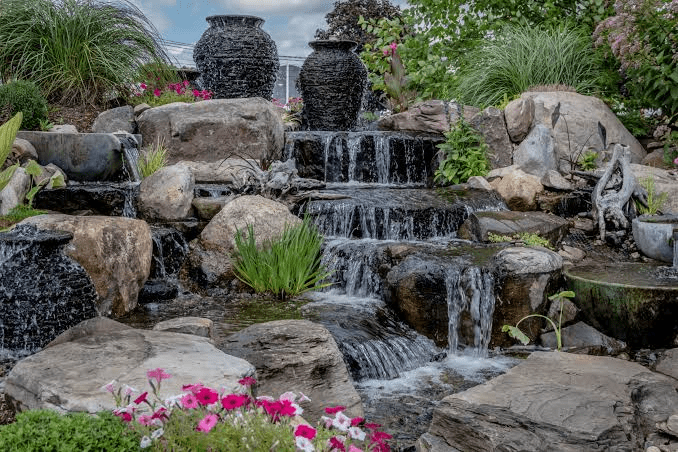
Moving water can add sound, movement, and visual interest to a pond. Waterfalls and streams can be designed in many different styles, from subtle flowing sections to dramatic multi-level features. The pump system must be capable of providing the desired flow rate, while the channel needs to be constructed so water follows its intended route without escaping. Rocks and other materials can be used to shape the flow and create natural-looking transitions.The relationship between the waterfall, stream, and main pond should be considered during the initial design. A Pond contractor can calculate pump requirements and plan the elevation changes necessary for effective water movement. Proper construction can help prevent erosion, excessive splashing, and unwanted water loss. A well-designed waterfall can become a focal point that enhances the entire outdoor environment while also contributing to circulation and oxygenation.
Incorporating Lighting and Decorative Elements
Outdoor lighting can extend the visual appeal of a pond into the evening. Underwater lights can highlight rocks and moving water, while landscape lighting can illuminate nearby plants, pathways, and seating areas. Decorative elements such as fountains, sculptures, bridges, stepping stones, and carefully selected plants can also personalize the feature. These additions should complement the main design rather than making the pond feel crowded.Electrical installations near water require careful attention to safety and appropriate equipment. Lighting components should be designed for outdoor conditions and installed according to applicable requirements. A Pond contractor can coordinate lighting and decorative elements with the construction plan so wiring and equipment remain as unobtrusive as possible. Thoughtful lighting can make a pond more enjoyable after sunset while also improving visibility around the surrounding area.
Considering Fish and Aquatic Life
Some property owners want their pond to support fish, while others prefer a purely decorative water feature. Fish require suitable water quality, adequate depth, oxygenation, shelter, and filtration. The number and type of fish should be appropriate for the pond’s capacity because overcrowding can create water-quality problems and increase maintenance requirements. Fish should only be introduced after the pond’s environment has been properly established and prepared.A Pond contractor can help design the pond around the needs of aquatic life when fish are part of the project. Deeper areas can provide shelter, while plants and rocks can create additional habitat. Adequate circulation and filtration are particularly important because fish contribute organic waste to the water. Property owners should also understand that a pond designed for fish may require more maintenance than a simple decorative feature. Planning for these responsibilities before construction can lead to better long-term results.
Managing Drainage and Water Levels
Water management is essential for protecting both the pond and surrounding landscape. Rainfall can cause water levels to rise, while evaporation can lower them during hot periods. The design should provide appropriate ways for excess water to move away without damaging the pond’s structure or nearby property. Drainage systems may be incorporated into the surrounding landscape to manage heavy rainfall and prevent erosion.A Pond contractor can evaluate the property’s natural drainage patterns and recommend suitable solutions. Water levels should also be monitored regularly after construction, especially during periods of heavy rain or extended dry weather. Unexpected water loss may indicate evaporation, splashing, equipment issues, or a possible leak. Addressing unusual changes promptly can prevent larger problems. Good water management contributes to the pond’s durability and helps protect nearby landscaping and structures.
Planning for Routine Maintenance
Every pond requires ongoing care, and maintenance requirements should be considered before construction begins. Regular tasks can include removing leaves and debris, cleaning filters, checking pumps, trimming aquatic plants, monitoring water levels, and inspecting rocks and edges. The amount of work required depends on the pond’s size, design, surrounding vegetation, water features, and aquatic life. A realistic maintenance plan can help property owners protect their investment and keep the water feature attractive.Easy access to equipment is particularly important. If pumps and filters are difficult to reach, routine cleaning may be neglected. A Pond contractor can design service areas that allow maintenance without disturbing surrounding landscaping. Property owners should also establish a schedule for seasonal inspections and cleaning. Regular care can identify small issues before they become expensive repairs and can help maintain better water quality throughout the year.
Protecting the Pond From Debris
Outdoor ponds are naturally exposed to leaves, branches, dirt, insects, and other materials. Excessive debris can affect water quality, clog filtration systems, and increase organic buildup. Properties with many nearby trees may require more frequent cleaning, particularly during periods of heavy leaf fall. Skimming the surface and removing larger debris can help prevent materials from sinking and decomposing in the pond.Landscaping around the pond can also influence the amount of debris entering the water. Trees and shrubs should be maintained appropriately, and dead branches should be removed when necessary. Protective netting may be useful during certain seasons depending on the surrounding landscape. A Pond contractor can recommend practical strategies for reducing debris while preserving the desired appearance of the outdoor space. Consistent maintenance is usually more effective than waiting until large amounts of organic material accumulate.
Making Safety a Priority
Safety should be considered throughout the design and construction process. Pond edges should be stable, surrounding paths should provide secure footing, and slippery surfaces should be minimized. If children or pets regularly use the property, additional precautions may be appropriate. Deeper areas should be clearly distinguished from shallow sections, and access around the pond should be planned thoughtfully.Lighting can improve visibility after dark, while strategically placed landscaping can help guide movement around the water feature. A Pond contractor can discuss safety considerations based on the property’s use and the desired design. Including safety measures from the beginning is generally easier than trying to modify the pond later. A successful water feature should provide beauty and relaxation while also being practical for everyday use.
Handling Repairs and Long-Term Improvements
Even a professionally constructed pond may eventually require repairs or upgrades. Pumps can wear out, liners can become damaged, filters may need replacement, and landscaping can shift over time. Changes in water clarity, unexpected water loss, unusual odors, or reduced circulation may indicate that the system needs attention. Property owners should investigate these changes rather than allowing them to continue unnoticed.Professional assistance can be particularly useful when the source of a problem is difficult to identify. A Pond contractor can inspect the pond structure, equipment, water flow, and surrounding landscape to determine what may need attention. Prompt repairs can prevent relatively minor issues from becoming larger and more expensive. Over time, owners may also decide to add lighting, plants, waterfalls, seating areas, or other enhancements. A well-planned pond can often be updated while preserving its original structure and character.
Creating a Sustainable Water Feature
Sustainability can be incorporated into pond design through thoughtful equipment selection, appropriate plant choices, efficient water management, and responsible maintenance practices. Energy-efficient pumps and lighting can help reduce operating requirements, while carefully selected plants can provide natural shade and habitat. Proper drainage and water management can reduce unnecessary water loss and protect surrounding areas from erosion.A Pond contractor can help property owners evaluate practical ways to make the feature more efficient without sacrificing appearance. The most sustainable approach depends on the site’s characteristics and the pond’s intended purpose. Designing systems that are easy to maintain can also contribute to long-term sustainability because neglected equipment is less likely to operate efficiently. Thoughtful planning from the beginning can create a water feature that provides enjoyment while remaining practical to manage.
Conclusion
Creating a beautiful and functional water feature requires careful attention to design, location, excavation, waterproofing, circulation, filtration, landscaping, safety, and long-term maintenance. Every component contributes to the overall performance and appearance of the finished pond. Property owners should establish clear goals, evaluate the site carefully, select appropriate materials, and plan for future maintenance before construction begins. Working with an experienced Pond contractor can help turn a landscape vision into a practical and durable feature while reducing the risk of common construction problems. From natural rock edges and aquatic plants to waterfalls, lighting, fish habitats, and efficient filtration, each element can be selected according to the property’s needs and the owner’s preferences. With thoughtful planning and consistent care, a well-designed pond can become a lasting centerpiece that enhances an outdoor environment, creates a relaxing atmosphere, and provides enjoyment for years to come.