How to Turn Your Attic Into the Ultimate Sanctuary
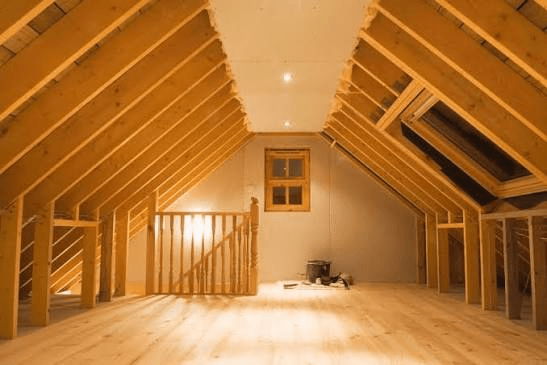
There is a lot of untapped potential in an attic. Despite its image of being full of dusty boxes and spiders, it can be transformed into a peaceful sanctuary away from the chaos of the rest of the house. However, attic spaces are notoriously awkward in shape, usually having sloped ceilings, tight angles and a lack of natural light. With the right combination of clever layout design, smart storage and strategic lighting, any loft space can be turned into the ultimate bedroom, home office or lounge.
Flood The Space With Natural Light
Standard vertical windows are often not an option for using in a loft conversion, or they do not let in enough light. Traditional vertical windows require significant structural alterations, planning permissions and can result in a boxy look that alters the external appearance of the room. Additionally, attics are often surrounded by roof tiles and deep eaves, making them prone to dark corners. Without a source of overhead light, it can still feel like a cramped space.
Roof windows and skylights allow twice as much daylight into a room as vertical windows of the same size. As they face directly upwards towards the sky, they can capture unobstructed light throughout the entire day, regardless of the angle of the sun. If you are using the converted loft as a bedroom, exposure to morning sunlight can help regulate circadian rhythm, boost mood and productivity. Placing roof windows at eye level when standing or sitting can provide a panoramic view of the outside world, breaking the physical boundaries of the walls and making the space feel infinitely larger.
Conquering Awkward Angles with Smart Storage
Traditional, off-the-shelf, freestanding wardrobes and chests of drawers are not designed to fit into converted loft spaces. High street furniture often assumes that rooms have square walls and 90 degree corners. When you try to force a square wardrobe into a sloped room, you will be left with unusable, triangle-shaped gaps above and behind the unit. This not only wastes valuable square footage, but acts as visual clutter, making the room look messy and poorly thought out. Freestanding units also often have to be pushed away from the walls and towards the centre of the room where the ceiling is the highest, which can ruin the walkable floor space.
Fitted, bespoke furniture can be useful for attic spaces, as it can be built to embrace the quirks of the room. For example, custom-built wardrobes, cupboards and shelving can be cut at the exact angle of the roof pitch, turning a structural challenge into a design feature. When furniture is built into the contours of a room, it blends seamlessly to become part of the wall. Floor-to-ceiling fitted doors can eliminate visual noise, making the space feel larger and calmer. Choosing the right finish for the furniture is also important, as sleek, matt or high-gloss doors can reflect the natural light that floods into the room from the roof windows. Alternatively, warm wood-grain finishes can make an attic bedroom feel cosy and cocooned.
For an attic conversion to be a true sanctuary, the environment should be free of clutter. By ensuring that everything has a dedicated home within fitted furniture, your mind will be free to relax.
Defining the Function and Flow
A true sanctuary does not just look nice, but it will also feel good to move through the space. A poorly planned loft conversion can feel like an obstacle course if you are constantly trying to dodge low beams or squeeze past furniture. Without a clear plan, homeowners often clutter the centre of the room where the ceiling is the highest, as it is the easiest place to put things. This can destroy the physical and visual ‘flow’, leading to the space feeling restricted instead of open. You do not need full headroom to sleep or sit at a desk, so these can be safely nestled under sloped ceilings. This saves the highest parts of the room for walking paths and dressing areas where you will actively need to stand upright.
If the attic conversion serves a dual purpose, e.g. a bedroom with a workspace, it is still best to not use heavy, solid walls, as these can block light and make the space feel smaller. It can be easier to use the layout itself to divide the space. For example, a half height wall, a change in flooring or strategically placing a fitted wardrobe to act as a subtle room divider without sacrificing the bright, open-plan space created by the roof windows.
Finishing Touches – Colour, Textures and Decor
As the roof windows will be pouring natural light into the space from above, the choice of paint finish can be crucial. Light, neutral palettes will catch and bounce daylight around the sloped architecture to erase dark shadows in the corners. Similarly, attic spaces are often dominated by sharp angles, sloped lines and hard surfaces. The secret to making it feel like a sanctuary lies in balancing these hard lines with soft textures. When lighting an attic space, a single ceiling light can look awkward when positioned on a sloped ceiling, and it may also cast harsh shadows. It is better to opt for low-level, layered lighting that can be used in the evening, such as warm strip lighting in the recess of fitted furniture, or flush wall sconces.
An attic conversion is not just about adding square footage, it is also about creating a unique, light-filled retreat in your home. Once you are able to stop viewing your loft as a storage locker, you can begin planning the transformation.