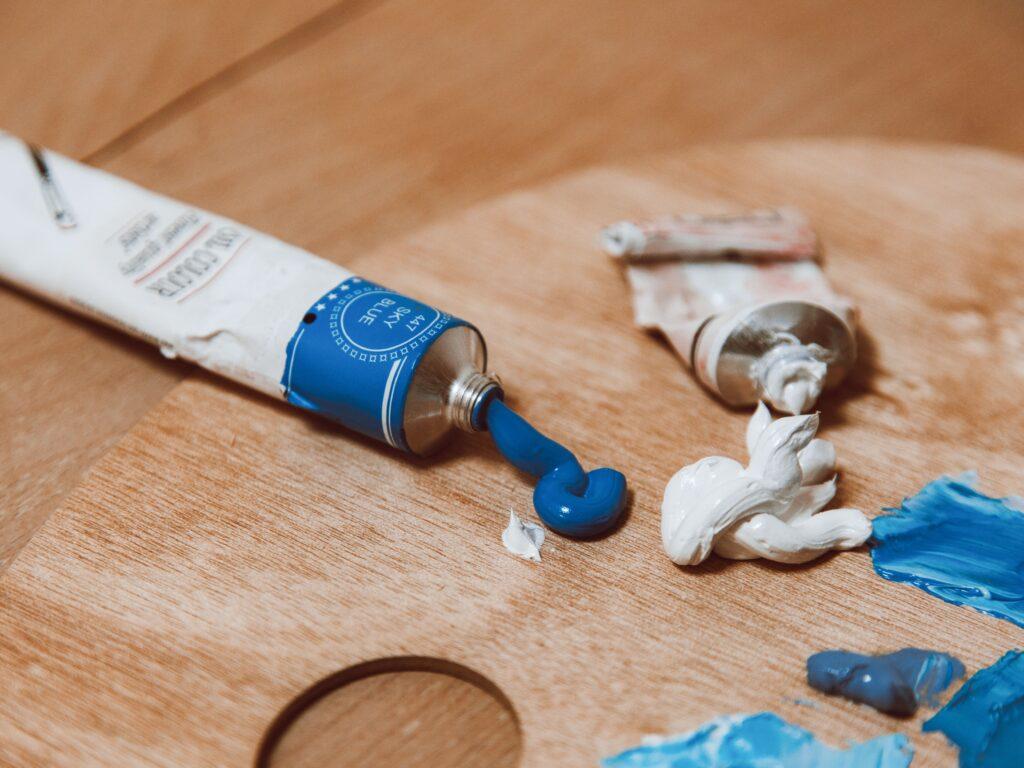
How to Store Acrylic Paints Between Painting Sessions
Acrylic paint is a favorite choice among artists because it dries quickly, works on many surfaces, and offers rich colors for creative projects. The fast drying time is helpful during painting, but it can create problems when you need to stop working before a piece is finished. Paint left open can form a dry layer, lose its creamy texture, and become difficult to apply.
Learning how to store acrylic paints between painting sessions helps protect your supplies and keeps your colors ready for the next time you sit down to create. A few simple storage habits can prevent unnecessary waste and help artists maintain their materials for longer periods.
Artists who work on detailed projects often need ways to keep small amounts of paint fresh between sessions. For those working on guided artwork, the Figured’Art paint by numbers collection offers projects where careful paint storage can help maintain consistency across multiple painting days. Keeping paints protected allows artists to return to their work without needing to replace dried or damaged colors.
Close Paint Containers Tightly After Every Session
The easiest way to protect acrylic paint is to seal containers properly after each use. Acrylic paint reacts with air exposure, and even a small opening can cause moisture to escape over time.
Before closing tubes, jars, or bottles, clean away any paint around the edges of the opening. Dried paint around the lid can stop the container from closing completely. A clean seal keeps air out and helps the paint stay ready for future use.
If you squeeze paint onto a palette and have leftovers, avoid leaving them uncovered. Move the remaining paint into a small container with a tight lid or cover the palette with a protective cover designed for art supplies.
Store Leftover Paint in Airtight Containers
Artists often mix custom shades while working on a painting. These mixed colors can be saved for later sessions when stored correctly. Small airtight containers are a practical choice because they reduce contact between the paint and air.
Choose a container size that matches the amount of paint you want to save. A large container with only a small amount of paint inside leaves extra air space, which may cause the paint to dry faster. Smaller containers help keep the paint in better condition.
Adding labels can make future painting sessions easier. Write the color name, date, or project name on each container so you can quickly find the shade you need.
Keep Acrylic Paint Away From Heat and Sunlight
The place where you store acrylic paint can affect its condition. A cool, dry area is usually the best choice for keeping paints in good shape. Direct sunlight and high temperatures may change the paint’s texture or cause separation.
Avoid placing paint near windows, heaters, or areas with large temperature changes. A drawer, cabinet, or storage box in a stable room environment can work well.
Artists who keep supplies in one organized location spend less time searching for materials and more time painting. A simple storage system also helps prevent misplaced colors and forgotten supplies.
Protect Paint on Your Palette
Acrylic paint can begin drying on a palette during a short break. If you plan to return to your work soon, a stay-wet palette can help keep the paint usable for a longer period.
A stay-wet palette contains a damp layer beneath the paint surface, slowing down moisture loss. This type of palette is useful for artists who work slowly or complete detailed artwork over several sessions.
For brief pauses, lightly spraying a small amount of water may slow drying. Too much water can change the paint’s texture, so it should be used carefully.
Clean Brushes Before Storage
Paint storage includes taking care of brushes and other tools. Acrylic paint can become hard on brush fibers if it is left to dry, which may affect the brush’s shape and performance.
After finishing a session, wash brushes with water and remove leftover paint from the bristles. Mild soap can help remove stubborn residue. Once clean, reshape the brush tips and allow them to dry before placing them away.
Clean brushes make future painting sessions more enjoyable and help artists maintain control over their work.
Organize Supplies for Future Painting Sessions
A simple organization system can save time when returning to an unfinished project. Store paints by color group, project, or brand so you can find what you need quickly.
Clear boxes, drawers, and labeled containers can help keep art supplies together. If a painting requires certain colors, brushes, and tools, storing them in the same area makes it easier to continue from where you stopped.
Good organization also helps artists remember which colors were mixed and which supplies need replacing.
Check Acrylic Paint Before Using It Again
Before starting a new session, inspect stored acrylic paint. Stir the paint gently and check whether the texture looks normal. Some separation may happen during storage and can often be corrected by mixing.
If a dry layer has formed on top, remove it before using the remaining paint. Paint that has fully hardened or developed an unusual smell may no longer work well for artwork.
Regular checks help artists avoid surprises and keep their materials ready for upcoming projects.
Conclusion
Storing acrylic paints correctly between painting sessions takes only a few minutes but can make a noticeable difference. Sealing containers, choosing proper storage locations, protecting leftover palette paint, and caring for brushes all help maintain paint quality.
Whether you paint for relaxation, create detailed artwork, or work on long-term projects, good storage habits allow you to return to your canvas with paints that are ready to use. Taking care of your supplies helps make every painting session more enjoyable and keeps your creative materials in good condition.