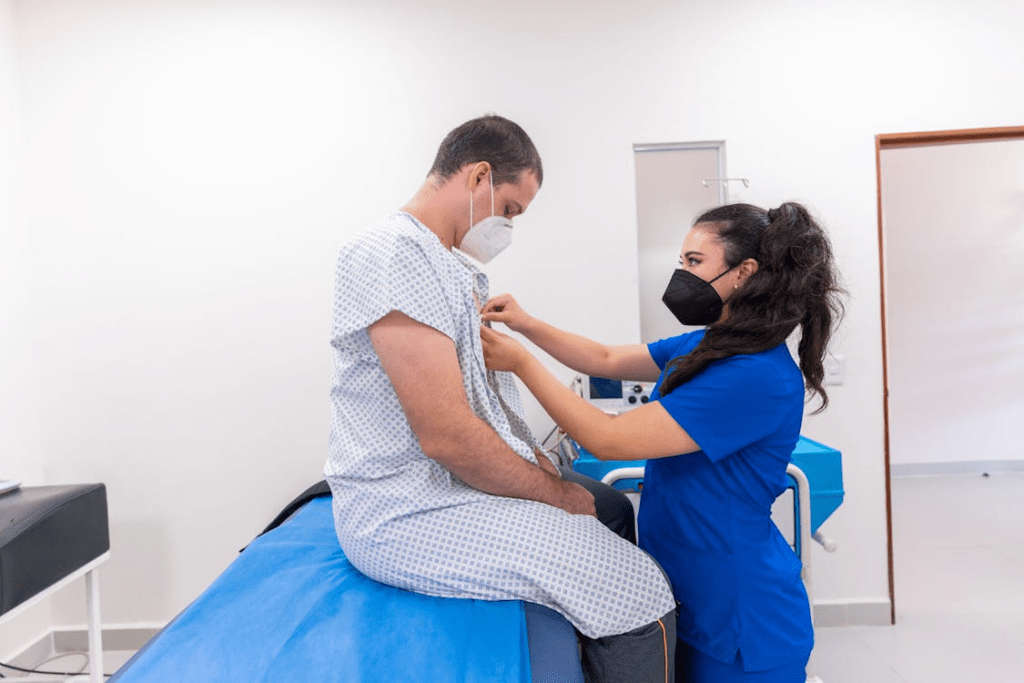
How to Start a Health Career Without Med School
There are roughly 1.8 million healthcare job openings every year that surprisingly do not require a doctoral degree. This shelves the old belief that you must spend a decade in school to have a meaningful impact on patient outcomes.
Doctors and surgeons get the spotlight, true. But the healthcare ecosystem relies heavily on specialized support roles and technical experts.
You can enter this high-demand field much faster than you think. You just have to focus on strategic certifications and foundational science.
Establishing a Strong Scientific Foundation
Entering the healthcare sector requires a grasp of how living systems function and interact with medicine. Most entry-level roles in clinical labs or research facilities prioritize candidates who understand the basics of cellular biology and chemistry. This knowledge serves as the primary currency for anyone looking to bypass the traditional medical school route.
And thanks to digital learning tech, many modern courses do not necessarily need you physically seated in class for theory.
For example, an online biology associate’s degree provides the versatile scientific framework necessary to pivot into various specialized health niches. It prepares you for roles like food science technician or biochemist assistant while keeping the door open for advanced studies later. It is a practical first step for those who need a flexible schedule while building a professional resume.
Study smart, apply the concepts, and your academic foundation supports a lifelong career.
High Demand Support Roles in Modern Medicine
The administrative and technical side of healthcare is expanding as facilities struggle to keep up with an aging population. Many of these roles allow you to work directly with patient data or provide essential clinical support without a four-year residency.
Current trends show that 64% of healthcare leaders intend to hire more permanent staff to manage the increasing administrative load in 2026. With this surge, those who can bridge the gap between patient care and operational efficiency find massive opportunity.
Specialized Technical Paths
Technical roles often require specific vocational training rather than a full medical degree. These positions are perfect for individuals who enjoy hands-on work and direct patient interaction.
- Psychiatric technicians assist with mental health rehabilitation
- Dental hygienists manage preventive oral care for patients
- Surgical technologists prepare operating rooms for procedures
- Occupational therapy assistants help patients regain motor skills
Administrative and Digital Health
The rise of telehealth has birthed entirely new categories of healthcare employment. You can now support clinical teams from a remote environment by managing schedules and digital records.
Working as a medical virtual assistant has become a popular pathway for those who want to stay in the industry without the physical demands of a hospital floor. These professionals ensure that doctors can focus on patients while the digital logistics remain seamless.
Leveraging Certifications for Immediate Impact
If you want to start working in months rather than years, targeted certifications are your best friend. Many hospitals and clinics value specific skill sets that can be verified through national exams or short-term training programs.
Essential First Aid and Clinical Support
Basic clinical skills are often the prerequisite for any role that involves patient contact. Even non-clinical staff benefit from having these credentials on their resume.
For instance, obtaining a CPR certification is the standard entry point for anyone pursuing a career as a medical first aid training assistant. It equips you with skills to handle emergencies while you gain more specialized experience.
You train quickly, earn your certificate, and your presence makes the workplace safer.
Laboratory and Research Credentials
For those who prefer the “behind the scenes” aspect of health, laboratory certifications offer a clear path to stability. These roles are critical for diagnosing diseases and testing new treatments.
- Phlebotomy technicians specialize in drawing blood for testing
- EKG technicians focus on heart monitor readings
- Pharmacy technicians manage medication distribution
- Medical lab assistants process samples for pathology
The Financial Benefits of Allied Health Careers
Choosing a path outside of medical school often means avoiding the crushing debt associated with a typical MD. Many allied health professions offer competitive salaries that allow for a high quality of life immediately upon graduation.
Government data shows that dental hygienists earned a median wage of $94,260 recently, proving that specialized associate degrees are highly lucrative. These roles offer the same job security as traditional medical paths without the initial financial burden.
Navigating the Public Health and Informatics Space
Public health focuses on the big picture, dealing with community wellness and data trends rather than individual patient appointments. It is an ideal sector for those who have a knack for sociology or statistics. You analyze data, identify health trends, and your work improves community well-being.
Health Informatics and Data Management
As hospitals move toward fully digital systems, the need for people who understand both health and technology is skyrocketing. This is where science meets IT.
Health informatics technicians are responsible for the security and accuracy of patient records across large networks. With an expected growth rate of 15%, this role offers long-term career stability for the tech-savvy professional.
Community Outreach and Education
Public health educators work on the front lines of prevention, teaching communities how to avoid chronic illnesses. They often work for government agencies or non-profit organizations to implement wellness programs.
Bridging the Gap into Physical Therapy and Rehab
Rehabilitation is a massive sector of healthcare that focuses on long-term recovery and physical maintenance. You can become a vital part of a patient’s recovery journey without becoming a doctor of physical therapy.
Physical therapist assistants work under the supervision of a licensed therapist to help patients regain mobility after injuries. This role is consistently listed among the fastest-growing jobs because it combines physical activity with emotional support.
You guide patients, monitor their progress, and your encouragement fuels their recovery.
Choosing the Right Pathway for Longevity
Success in healthcare without a medical degree depends on your ability to specialize. Generalists often find it harder to climb the ladder, whereas those with specific technical skills are always in demand.
Before committing to a program, it’s wise to research the specific licensing requirements in your state. Some roles require a simple registration, others might require a standardized national exam.
Selecting a career in healthcare is about finding the intersection of your personal interests and the needs of the market. Whether you choose lab work, administration, or direct patient care, the opportunities for growth in 2026 are nearly limitless.
Investing in Your Professional Future
The landscape of medicine is changing to become more inclusive of various educational backgrounds. One no longer needs to spend a decade in a classroom to save lives or earn a high salary. The world of allied health is pretty diverse, and you can find a niche that fits your life.
Found this one inspiring? Browse or search the site for more guides on modern career transitions and professional development.