How To Spot Quality In Everyday Jewelry (Without Becoming An Expert)
Jewelry often holds more than aesthetic value—it can represent milestones, relationships, and personal style. Yet for many people, determining whether a piece is truly well-made can feel overwhelming. Without formal training or industry knowledge, it’s easy to rely solely on appearance or price as indicators of quality. Fortunately, spotting well-crafted jewelry does not require expert-level expertise. By understanding a few key principles and knowing what details to look for, anyone can make more confident and informed choices when selecting everyday pieces.
With a careful eye and a bit of awareness, identifying quality becomes less about technical jargon and more about observing craftsmanship, materials, and thoughtful design.
Materials Matter More Than You Think
One of the most reliable indicators of jewelry quality is the material used. High-quality pieces typically feature durable metals such as gold, sterling silver, or platinum, rather than plated or mixed alloys that may tarnish or wear down over time. Checking for stamps or hallmarks—such as “925” for sterling silver or “14K” for gold—can quickly reveal whether a piece meets recognized standards.
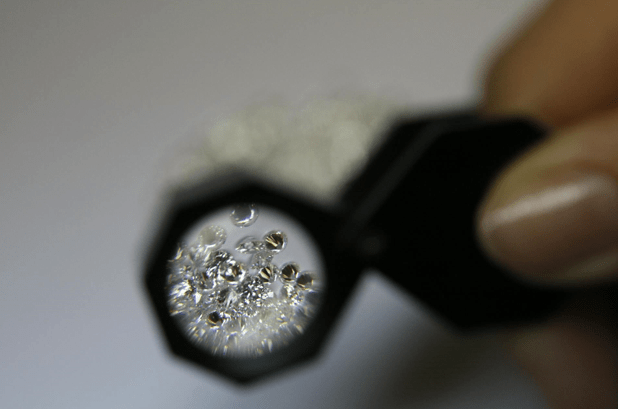
Beyond the base metal, consider the type and quality of any stones or embellishments. Natural gemstones or well-cut alternatives often display clarity, consistency in color, and minimal visible flaws. While synthetic stones can still offer beauty and durability, they should be evenly crafted and securely set.
Pay attention to weight as well. Heavier pieces often indicate a higher metal content, whereas lightweight jewelry may suggest hollow construction or lower-quality materials. While weight alone does not determine quality, it can provide useful context when evaluating overall craftsmanship.
Craftsmanship Reveals Long-Term Value
Even the finest materials can fall short without proper craftsmanship. Examining how a piece is constructed can offer valuable insight into its durability and longevity. Smooth edges, secure clasps, and consistent finishes are all signs of careful production.
Look closely at how different components are connected. Joints should be seamless and sturdy, with no visible gaps or weak points. Chains should move fluidly without kinks, and clasps should open and close easily while remaining secure. These small details often indicate whether a piece has been thoughtfully designed for everyday wear.
Stone settings are another critical area to inspect. Prongs should evenly hold gemstones in place without appearing too thin or fragile. Bezel settings should fully encase the stone with no looseness. A quick visual check can help ensure that stones are unlikely to shift or fall out over time.
Design and Finish Reflect Attention to Detail
A well-made piece of jewelry typically reflects a level of intentional design that goes beyond basic functionality. Symmetry, balance, and proportion all contribute to how a piece looks and feels when worn. Even simple designs can reveal a great deal about quality through their execution.
Examine the finish closely. Quality jewelry often features a consistent polish, whether glossy or matte, without uneven textures or discoloration. Engraved details should be sharp and precise rather than shallow or irregular. These elements suggest a higher level of care and craftsmanship during production.
Comfort is another important factor. Jewelry that sits well on the skin, without sharp edges or awkward weight distribution, indicates thoughtful design. This becomes particularly important for pieces worn daily, where comfort and durability go hand in hand.
Recognizing Value Across Different Price Points
Quality jewelry is not exclusively found at the highest price levels. While luxury pieces often incorporate premium materials and expert craftsmanship, there are many well-made options available at more accessible price points. The key is understanding what you are paying for and making comparisons based on materials and construction rather than brand name alone.
For example, when shopping for items like men’s wedding bands, durability and comfort often take precedence over elaborate design. A simple band made from high-quality metal with a smooth finish and secure sizing can offer lasting value without requiring excessive embellishment. In this case, practicality and craftsmanship matter more than ornate details.
Being mindful of your priorities—whether they involve durability, design, or symbolism—can help guide your choices and ensure that you select pieces that align with both your budget and your expectations.
Maintenance and Longevity as Indicators of Quality
Another way to assess jewelry quality is by considering how well it holds up over time. High-quality pieces are designed to resist tarnishing, maintain their finish, and withstand regular wear. While all jewelry requires some level of care, better materials and construction typically result in less frequent maintenance and longer-lasting appearance.
Ask about care recommendations when purchasing a piece. Reputable sellers often provide clear guidance on cleaning, storage, and upkeep. This transparency reflects confidence in the product’s durability and performance.
Additionally, consider whether the piece can be repaired or resized if needed. Jewelry that allows for maintenance or adjustment adds to its long-term value, making it a more sustainable and worthwhile investment.
Conclusion
Spotting quality in everyday jewelry does not require specialized knowledge or extensive experience. By focusing on materials, craftsmanship, design, and durability, anyone can develop a practical understanding of what makes a piece well-made. With these insights, choosing jewelry becomes a more thoughtful and rewarding process, ensuring that each piece offers both lasting beauty and meaningful value.
Author Bio
Noor works with website owners, businesses, and digital agencies to secure quality guest posting and content placement opportunities across a variety of niches. Those interested in publishing articles, acquiring backlinks, or exploring collaboration opportunities can reach out at articles.noor@gmail.com. Through strategic outreach and content marketing, Noor helps brands improve their online visibility and search engine presence.