How to Speed Up Deep Wound Healing Without Complications
If the wound is small, it only takes a bit of dressing and care to ensure you heal without infection or complications. As we age, the healing process slows down significantly with deeper wounds. Roughly 3% of people aged 65 years or older have open wounds, and without proper care, these injuries can lead to infection and related complications. It is estimated that up to 2.5% or 10.5 million people have chronic wounds.
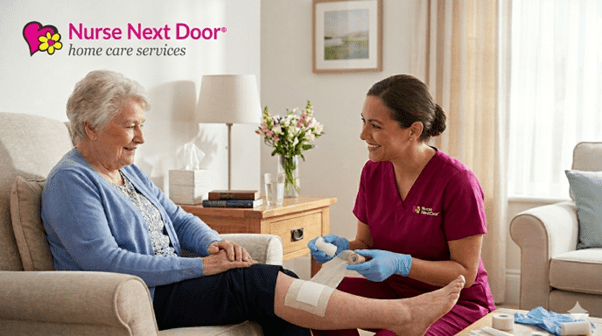
Seniors are impacted more as they don’t heal as quickly, and are prone to falls and mobility challenges. Finding the right elderly home care services for your loved ones can make all the difference in the quality of their everyday lives. Identifying and treating wounds quickly and effectively really matters. Here’s how you can speed up the healing process, especially when you are receiving expert in-home senior wound care in Mclean from trusted providers like Nurse Next Door.
Wound Cleaning and Dressing
How can you effectively clean and dress a wound to prevent complications while ensuring your elderly parent remains comfortable and safe? Aging skin doesn’t heal as quickly, and chronic conditions can often complicate the healing process, which makes treating wounds properly far more crucial as we age. One of the initial steps is to change the dressing frequently, sometimes once every one or two hours, based on the injury.
Cleaning in between dressings helps prevent infection from developing. Chronic conditions and diseases such as diabetes can further delay the healing process, which makes wound care for elderly parents a vital part of their in-home support plan. When your loved one has extremely fragile skin, specialized care may require additional treatments and medication to prevent tears, rashes, and further injury.
Compression
Using compression therapy for wound healing is an effective method to reduce further injury, while accelerating the process of healing. Compression treatment involves an elastic with a wrap or stockings, which helps prevent blood from clotting or pooling around your:
- Legs
- Ankles
- Feet
It also helps slow or stop fluid build-up and inflammation. This treatment is ideal for wounds, allowing your loved one to remain more mobile and safer, while minimizing complications to the affected area.
Treating and Preventing Infection with Antibiotics
While antibiotics may not always be necessary for many people with simple, uncomplicated wounds, your elderly parent is more prone to infection and a longer healing process. The type of antibiotics prescribed will depend on the type of infection or wound, and how it can be safely treated.
- Topical creams or ointments may be recommended for small, minor wounds.
- Oral or IV treatments are best for deep wounds and injuries that are more likely to have an impact on your loved one’s health.
If you notice any signs of pus, red streaks, bleeding, or swelling, often with a fever, contact a physician immediately to determine the right course of action. Routine cleaning and dressing between topical treatments are vital to keep wounds on track for quick healing and to prevent infection from spreading, which can lead to medical intervention.
Types of Dressings That Can Be Applied at Home
What type of dressing is best for your elderly parent’s wound? Gauze is one of the most commonly used wound dressings, especially for minor injuries such as cuts, scrapes, or small post-surgical incisions. You may need to add saline to ensure that the gauze wraps properly and remains at the affected site.
If you need a more absorbent dressing, foam dressings are ideal, especially where a wound is deeper, such as a surgical wound, diabetic foot, or pressure ulcer. Hydrocolloid dressings are applied with a self-adhesive material that forms a gel once it comes into contact with a wound, absorbing fluid and creating a moist environment that supports healing. This type of dressing is most commonly used for burns.
Other types of dressings ideal for specific wounds include alginate dressings, made from seaweed-based materials, for cavity and surgical wounds, and transparent film dressings, which are both flexible and allow for monitoring of the wound site. Hydrogel wound dressings are often applied to painful, dry wounds and radiation burns. Wound care for elderly parents must be administered with great care to avoid tearing or damage to the skin, even when dressing the affected areas.
Nutrients that Increase the Healing Process
You’ll want to ensure your loved one is eating regular, healthy meals and staying well hydrated, which speeds healing and overall health. There are specific nutrients that aid wound healing, including:
- Vitamin C
- Vitamin A
- Zinc
- Protein
While many of these nutrients can be administered in supplement form, it’s also important to include them in your elderly parent’s diet, too.
Monitoring Wound Healing: When is Medical Intervention Required?
Is the wound taking longer to heal than expected, with noticeable changes to colour around the affected area? If you notice any changes, even to a minor extent, contact your physician or healthcare provider to determine if medical intervention is required. Most commonly, signs of infection, such as bleeding, discoloration, or pus or crusted areas around the wound, are signs that medical attention is required. For this reason, it’s vital to monitor your loved one’s wound, with the assistance of elderly home care services, to determine which course of action is needed.
Consider Nurse Next Door McLean’s Personalized Wound Care
Elderly home care services Northern Virginia offer all the support you need for proper healing and care of various types of wounds at home. Explore Nurse Next Door McLean’s services, which range from everyday living assistance to highly personalized in-home wound care for elderly parents. After we match you with trained and experienced Registered Nurses (RNs) and they create a tailored plan based on the detailed assessment, you can heal comfortably and safely at home. Our services include proper monitoring of wounds, changing wound dressings, cleaning the wound, pain management, and taking effective steps to prevent infections.
Call us now at (703) 774-9421 to help your loved one recover safely and comfortably at home.