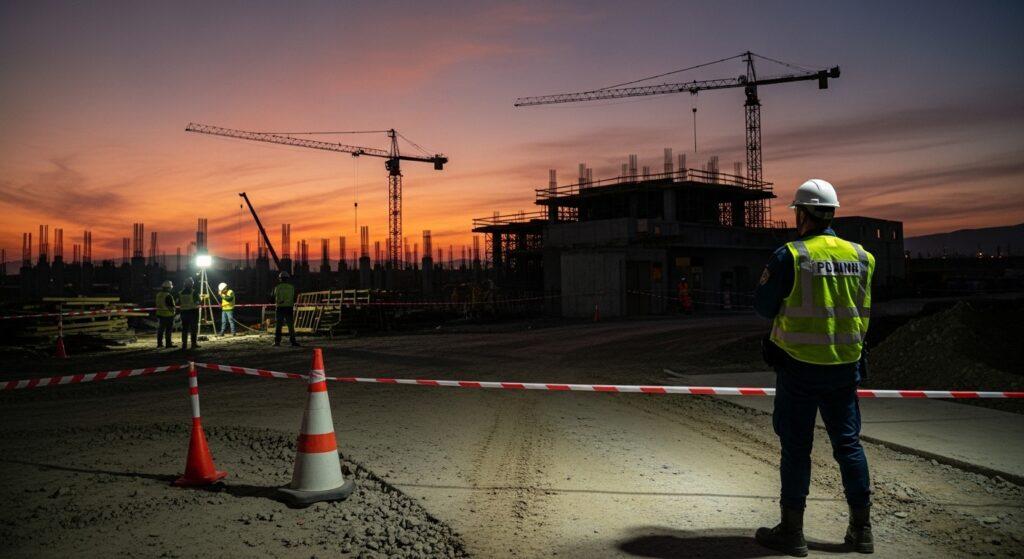
How to Prevent Theft on the Job Site with Construction Site Security
Construction sites are prime targets for theft due to the high value of equipment, materials, and tools that are often left unattended overnight or during off-hours. From copper wiring and lumber to heavy machinery, these assets can be quickly stolen and resold, leading to significant financial losses and project delays. Implementing effective construction site security is essential for protecting investments, maintaining timelines, and ensuring a safe working environment. By combining technology, planning, and team awareness, companies can drastically reduce the risk of theft on the job site.
Understanding Why Construction Sites Are Targeted
Construction sites are particularly vulnerable because they are temporary, often open environments with multiple access points. Unlike permanent facilities, they may lack established security infrastructure, making it easier for unauthorized individuals to enter. Additionally, valuable materials are frequently delivered in bulk and stored on site, sometimes without adequate protection. Thieves are aware that construction projects often operate on tight schedules, which can lead to overlooked security measures. Understanding these risks is the first step in building a strong construction site security strategy.
Conducting a Security Risk Assessment
Before implementing any security measures, it is important to evaluate the specific risks associated with a job site. Each project has unique characteristics, including location, size, layout, and type of materials used. A thorough risk assessment identifies potential vulnerabilities such as poorly lit areas, unsecured storage zones, and gaps in perimeter protection. This process helps prioritize security efforts and ensures that resources are allocated effectively. By tailoring construction site security to the specific needs of a project, companies can create a more targeted and efficient defense against theft.
Securing the Perimeter
One of the most fundamental aspects of construction site security is controlling access to the site. Installing sturdy fencing around the perimeter creates a physical barrier that deters unauthorized entry. Gates should be limited in number and kept locked when not in use. Access points should be monitored and clearly marked to ensure that only authorized personnel can enter. In addition to fencing, signage indicating that the site is under surveillance can act as a strong deterrent. A well-secured perimeter sends a clear message that security is a priority.
Implementing Access Control Systems
Controlling who enters and exits the job site is critical for preventing theft. Access control systems such as key cards, PIN codes, or biometric scanners can help track and restrict entry. These systems not only prevent unauthorized access but also create a record of who is on site at any given time. For smaller projects, a sign-in and sign-out log may be sufficient, but larger sites benefit from more advanced solutions. Effective access control is a cornerstone of construction site security because it limits opportunities for theft and increases accountability.
Utilizing Surveillance Technology
Modern surveillance systems play a vital role in construction site security. Cameras placed strategically around the site can monitor activity in real time and record footage for later review. High-resolution cameras with night vision capabilities are particularly useful for detecting suspicious behavior after hours. Some systems include motion detection and remote monitoring, allowing security teams to respond quickly to potential threats. The presence of visible cameras can also discourage theft by increasing the perceived risk of being caught. Investing in surveillance technology is one of the most effective ways to protect a job site.
Improving Lighting Conditions
Adequate lighting is a simple yet powerful tool in preventing theft. Dark areas provide cover for unauthorized individuals, making it easier for them to move unnoticed. Installing bright lighting around the perimeter, storage areas, and entry points enhances visibility and reduces hiding spots. Motion-activated lights can be especially effective, as they draw attention to movement and startle potential intruders. Proper lighting not only supports surveillance efforts but also contributes to overall construction site security by making the environment less appealing to thieves.
Securing Tools and Equipment
Tools and equipment are among the most commonly stolen items on construction sites. To minimize risk, they should be stored in locked containers or secure storage units when not in use. Smaller tools can be kept in lockboxes, while larger machinery should be immobilized or equipped with tracking devices. Marking equipment with identification numbers or company logos can also deter theft and aid in recovery if items are stolen. Consistent storage practices are essential for maintaining strong construction site security and protecting valuable assets.
Managing Material Deliveries and Inventory
Proper management of materials is another key component of theft prevention. Scheduling deliveries during working hours ensures that materials can be received and secured immediately. Avoid leaving valuable items unattended for extended periods. Keeping accurate inventory records helps identify discrepancies and allows for quick action if items go missing. Assigning responsibility for inventory management to specific team members increases accountability and reduces the likelihood of internal theft. Organized material handling supports a more secure and efficient job site.
Training Employees on Security Practices
Employees play a crucial role in maintaining construction site security. Providing training on security protocols ensures that everyone understands their responsibilities. Workers should be encouraged to report suspicious activity and follow procedures for securing tools and equipment. Awareness programs can help employees recognize common theft tactics and avoid behaviors that may compromise security. When the entire team is engaged in protecting the site, the overall effectiveness of security measures is significantly enhanced.
Using Security Personnel
Hiring security guards can provide an additional layer of protection, especially for high-value or large-scale projects. Trained personnel can monitor access points, conduct patrols, and respond to incidents in real time. Their presence alone can deter potential thieves and reinforce the importance of construction site security. For sites that operate around the clock, having security staff on duty during off-hours can greatly reduce the risk of theft. Combining human oversight with technology creates a more comprehensive security approach.
Leveraging Remote Monitoring and Alarms
Advancements in technology have made remote monitoring an increasingly popular option for construction site security. Alarm systems connected to sensors can detect unauthorized entry and alert security teams. These systems can be integrated with mobile devices, allowing managers to monitor the site from anywhere. Remote monitoring provides continuous oversight without the need for constant on-site presence. This flexibility makes it an effective solution for projects with limited resources or multiple locations.
Establishing Clear Security Policies
Having well-defined security policies ensures consistency and accountability across the job site. These policies should outline procedures for access control, equipment storage, incident reporting, and emergency response. Clear guidelines help employees understand expectations and reduce confusion. Reviews and updates to these policies ensure that they remain effective as the project evolves. Strong policies are a foundational element of construction site security and support the successful implementation of other measures.
Collaborating with Local Authorities
Working with local law enforcement can enhance construction site security efforts. Departments can provide guidance on crime trends in the area and recommend additional precautions. Establishing a relationship with authorities also ensures a faster response in case of an incident. In some cases, patrols by local authorities can serve as an added deterrent. Collaboration with external partners strengthens overall security and provides valuable support for protecting the job site.
Evaluating and Improving Security Measures
Construction site security is not a one-time effort but an ongoing process. Regular evaluations help identify areas for improvement and ensure that security measures remain effective. Reviewing incident reports, monitoring system performance, and gathering feedback from employees can provide valuable insights. Adjusting strategies based on changing conditions or new threats keeps the site protected during the duration of the project. Continuous improvement is key to maintaining a safe and secure environment.
Conclusion
Preventing theft on the job site requires a proactive and comprehensive approach. Construction site security combines physical barriers, advanced technology, employee awareness, and strong policies to protect valuable assets. By understanding risks, controlling access, securing equipment, and leveraging modern tools, companies can significantly reduce the likelihood of theft. Investing in construction site security not only safeguards resources but also supports project success by minimizing disruptions and maintaining trust. As construction projects continue to evolve, prioritizing security will remain essential for creating safe and efficient job sites.