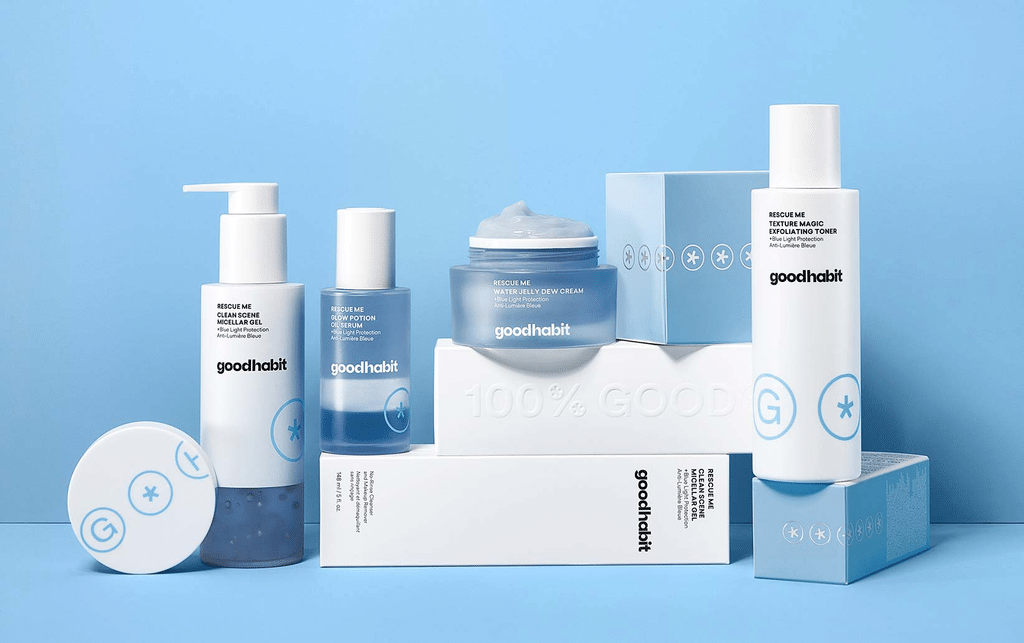
How to Plan Skincare Packaging Before Launching a New Product
A skincare launch brings together formulation, branding, purchasing, filling, and distribution. Packaging connects all of these activities. A container that looks right in a presentation may still create difficulties if its dispensing system has not been assessed, its decoration needs more development, or its dimensions conflict with the planned shipping arrangement.
Treat packaging as a development project with clear decisions and evidence. Start with the product and customer routine, then coordinate the container, closure, labeling, and delivery requirements. This gives the team a practical basis for selecting a package and helps identify unresolved questions before they affect the launch schedule.
Define the Product and Its Use
Write a brief describing the formulation, intended fill quantity, application method, and expected setting. Consider whether the product will be used at a bathroom counter, carried in a bag, or handled with wet hands. Explain the desired dispensing experience in concrete terms.
Separate confirmed requirements from preferences. A particular silhouette may support the brand identity, but compatibility and usable capacity still require review. Identify which aspects can change if the initial concept proves impractical.
Share relevant formulation and filling information with the people assessing the package. Agree on what additional details they need and who will coordinate evaluation. A general description such as lotion or serum is not enough to establish suitability.
Shortlist Formats Before Choosing Decoration
Compare package types against the product brief. Bottles, tubes, jars, and dispensing systems create different handling routines and development requirements. Decide which questions each option needs to answer before narrowing the selection.
The range of skincare packaging formats can provide a starting point for exploring alternatives. Use category examples to build a shortlist, then obtain model-specific drawings, materials information, and samples for assessment.
Avoid treating a catalog image as a finished specification. Confirm the exact configuration available, including the closure and any additional components. Record what the proposed sample represents and whether the production version would differ.
Evaluate the Complete Dispensing Arrangement
The customer experiences the assembled package rather than its individual parts. Container shape, closure, actuator, and protective features should therefore be reviewed together. Consider opening, dispensing, closing, and storing the product.
If the concept involves airless pump bottles, ask about the selected system’s filling requirements, component configuration, and proposed evaluation method. The format name alone does not establish compatibility, dispensing performance, or shelf life for a particular formulation.
Assess samples with the actual intended product through an agreed development process. Record priming behavior, dispensing consistency, handling observations, and any changes during evaluation. Give technical questions to the people responsible for formulation and packaging development.
Confirm Capacity and Filling Details
Clarify how the proposed container’s capacity is described and how it relates to the intended fill. Ask the supplier and filling partner to review the actual model, assembly requirements, and equipment interfaces.
Include the packaging components in the filling discussion early. Confirm the sequence for filling, closing, inspecting, and packing, along with the information needed to prepare the equipment. Identify trials required before committing to the launch quantity.
Where a trial reveals a problem, document the conditions and proposed correction. Changing the container or closure can affect other decisions, so review the complete arrangement before approving an alternative.
Develop Artwork on the Actual Package
Branding needs a defined working area. Obtain the relevant drawing or decoration template and confirm which surfaces can carry the proposed graphics. Check how curvature, edges, and component movement affect placement.
Review text at actual size on a representative sample. The team responsible for market-specific labeling should verify required information and language. Keep their approval separate from a general judgment that the artwork looks attractive.
Specify colors, finishes, and placement clearly enough to support production review. Identify the approved sample and record any acceptable variation agreed with the supplier. A screen image should not become the only reference for a physical finish.
Plan the Whole Delivery Experience
Consider how the filled product moves through storage, packing, distribution, and customer opening. The primary container and any outer packaging should be evaluated as a combined arrangement appropriate to the intended route.
Check whether the dispenser needs a lock, protective cap, or another feature, and verify the actual configuration rather than assuming it is included. Discuss the proposed shipping tests and acceptance criteria with the responsible parties.
Review handling instructions for warehouse and packing staff. Clear identification and a repeatable packing method can help maintain the arrangement assessed during development instead of allowing improvised changes at dispatch.
Build a Realistic Approval Schedule
List the decisions that must precede production: package selection, compatibility evaluation, filling review, artwork approval, and any required transport assessment. Establish owners and supplier-confirmed timing for each activity.
Do not schedule all decisions for the same final week. A change to one component may require further review, and a decoration sample may need adjustment. Keep the dependencies visible so that the team can make informed choices about timing.
Before authorizing production, confirm that unresolved issues have an agreed disposition. Record the exact models, quantities, finishes, and documents covered by approval. This avoids treating approval of a visual concept as approval of every technical detail.
Preserve the Development Record
Before handing the specification to purchasing, ask someone outside the daily development discussion to read it. They should be able to identify what is being ordered and which approvals support the decision without reconstructing a long email exchange. Any ambiguity they find is an opportunity to improve the record before the launch moves into production and repeat ordering.
Keep the final specification, sample references, trial observations, and approved artwork together. Record later changes against that baseline so that repeat orders can be compared with the package originally developed.
After launch, collect feedback about opening, dispensing, storage, and delivery condition. Investigate recurring observations using the actual product and packaging records. These findings provide a more useful basis for improvement than replacing a component simply because another design looks newer.
A well-planned skincare package supports the product throughout its journey. Coordinating format, function, filling, and presentation before launch gives the team a clearer path from concept to a package customers can use comfortably.