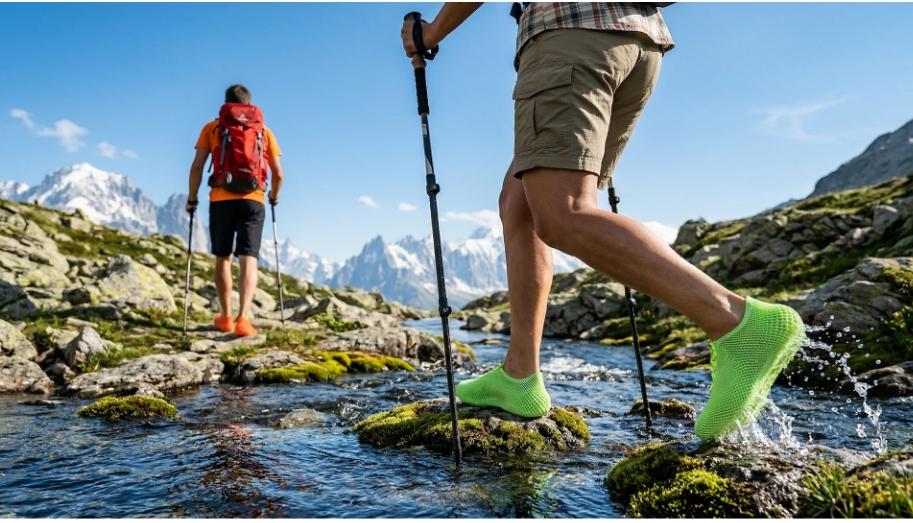
How to Pick the Best Lightweight Hiking Shoes for Summer
Summer hiking is fun, but heat, sweat, and uneven terrain can quickly turn a good hike into a miserable one if you are wearing the wrong shoes. You want a light hiking shoe that keeps your feet cool but still provides the grip and support you’ll actually rely on out on the trail. In this guide, we will discuss what you should look for before you buy hiking shoes for this summer, including lightweight 3D printed shoes.
What to Look for in Summer Hiking Shoes
Here are some factors you should look for when buying summer hiking shoes:
1. Breathable
Once you start sweating, heat builds up fast inside the closed shoe. That’s why the most breathable shoes use mesh panels or an open, ventilated design that lets air move freely through the shoe. If you’ve ever taken off your shoes after a hot hike and felt like your socks were sitting in a puddle, that’s exactly what you’re trying to avoid.

2. Weight
Every ounce you carry around your feet adds up over miles of trail. You’ll feel it most on longer hikes or hotter days, when your body is already working harder just to stay cool. Lighter shoes = less fatigue by the time you head back down.
3. Traction
On summer trails, you’ll run into loose gravel, dusty descents, and the occasional creek crossing. So you want an outsole that grips, not slides, when the ground gets unpredictable underfoot.
4. Climate and Kind of Trail
What works for you is decided by the climate and terrain you’ll be hiking on. When hiking in hot, dry weather, you want something breathable and lightweight. A heavy, fully waterproof shoe will make your feet feel overheated.
Choose the shoe that fits the terrain you’ll actually be hiking. A summer-only shoe worn in wet conditions usually causes blisters or skidding. A shoe made for easy, well-kept trails doesn’t do well on rocky, technical terrain.
5. Ankle Cut
This one comes down to how much support you want vs. how much weight you want to carry. If you really want something like a tennis shoe, just built for the trail, a low-cut hiking shoe is your best bet. It makes the foot light and mobile without the weight around the ankle.
If you are carrying a heavy pack, hiking over uneven terrain, or have rolled an ankle before, a mid-cut option gives you real support where you need it. This does mean less airflow and a stiffer feel underfoot, which will be more noticeable when summer heat comes around.
Neither option is universally good or bad. It really comes down to how much stability you need on your trails and how much you’re willing to trade for it in comfort and breathability.
6. Foot protection
Even a light shoe needs some protection up front. Look for a reinforced toe area and a semi-stiff sole so you don’t feel every rock and root with each step.
Nexbie Aeroraise 3D Printed Sneakers
Aeroraise presents an entirely different approach to summer hiking footwear. It features an open lattice structure rather than a solid foam midsole. This allows air to flow through the shoe rather than trapping heat and sweat against your foot. The difference is most noticeable on hot trails, where regular shoes start to feel stuffy.
Key Features:
- Constant air flow, open lattice design
- Breathable yet waterproof construction
- Arch support with elastic cushioning
- Odor-proof
- Designed for gym, walking, and hiking

(Alt text: Nexbie Aeroraise 3D Printed Sneakers)
If heat and long hours on your feet have been slowing you down, this is worth a look rather than just grabbing a regular hiking shoe. You can check out the entire collection of Nexbie 3D printed sneakers.
Mistakes to Avoid When Choosing Hiking Shoes for Summer
The following are the mistakes you should avoid when choosing hiking shoes for summer:
- Choosing based on looks instead of your real trail conditions. That shoe can look rugged, but still be the wrong fit for the hikes you do.
- Ignoring breathability to save on weight. A shoe can be light, but it can still hold heat if it’s not ventilated properly.
- Too small in size. Feet tend to swell on long hikes, especially in heat, so a tight fit at home can turn painful in a few miles.
- A smooth, flat sole might look clean, but it won’t get you very far on loose or uneven ground.
- Heavier is not always more durable. Weight and durability are not the same thing. Some lightweight builds are just as good, if not better.
Final Thoughts
Choosing the right summer hiking shoe really comes down to a few things: breathability, weight, grip, protection, and matching what you buy to your actual climate and terrain. Get those right, and heat will not be what cuts your hike short. If sweaty, overheated feet have held you back, try Aeroraise 3D printed shoes.