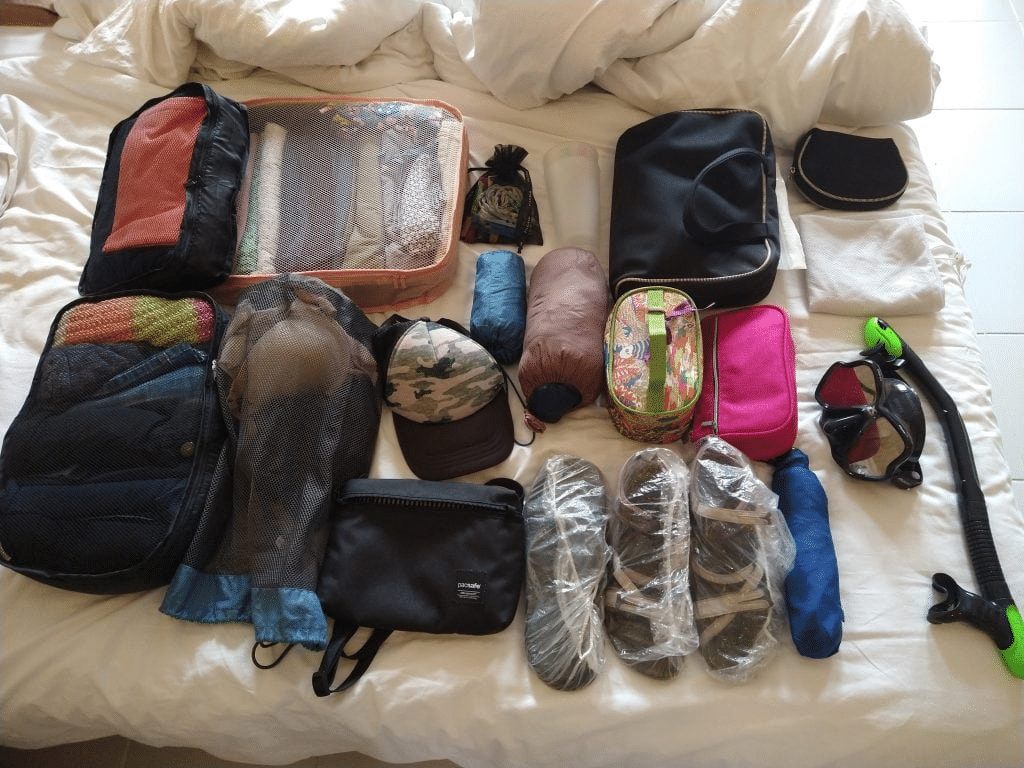
How to Pack Clothing for an Active Trip Without Overpacking
Packing for a classic city trip is straightforward enough. You choose a few comfortable tops, trousers, a nice outfit for dinner, and reliable walking shoes. But when a trip combines urban sightseeing with morning hikes, coastal walks, outdoor excursions, and relaxed dinners, packing becomes far more complicated. It is easy to feel like every planned activity demands its own distinct wardrobe. Before long, your suitcase is overflowing and you are left dragging a heavy bag over cobblestones or down narrow train aisles.
The secret to avoiding this packing trap is not finding a bigger bag or sacrificing personal style. Instead, the easiest way to pack for an active trip is to shift your mindset. Rather than assembling a separate outfit for every occasion, focus on how clothing pieces can cross over between activities. By starting with your itinerary and selecting versatile, adaptable garments, you can cover every moment of your journey with a compact travel wardrobe.
Why Active Trips Make Packing More Complicated
Active itineraries create a unique puzzle because your body faces different demands throughout a single day. On a typical morning, you might navigate a brisk uphill trail where breathability and freedom of movement are critical. By early afternoon, you might walk through a sunny historical district where light, casual clothes feel best. As evening approaches, you might head out to a quiet neighborhood restaurant where comfortable, neat attire feels appropriate.
Throw in sudden rain showers or rapid temperature drops, and the impulse to overpack becomes almost overwhelming. When travelers try to address every potential scenario with a dedicated garment, luggage quickly becomes unmanageable. The solution lies in realizing that active travel does not require an endless variety of clothes. Instead, it requires thoughtful selections that transition smoothly from an outdoor trail to a city street, reducing luggage volume while keeping you prepared for whatever the day brings.
Start With the Activities, Not the Outfit
Before pulling a single shirt off its hanger, sit down with your itinerary. Looking at your planned schedule gives you a clear picture of what your clothes actually need to do. A helpful tactic is to group your planned activities into broad categories: everyday sightseeing, active excursions, weather-dependent needs, and casual evening activities.
When you map out your trip this way, patterns begin to emerge, showing you where needs overlap. For example, a breathable shirt intended for a morning nature walk can easily double as a comfortable top for afternoon sightseeing if it looks neat and fits well. A durable pair of pants suited for a light hike might be equally suited for a cool evening stroll. Grouping activities first prevents packing redundant items, ensuring that every garment serves more than one distinct purpose during your travels.
Build a Versatile Travel Clothing System
Instead of packing a collection of unrelated outfits, think of your travel wardrobe as a unified system where almost every top works with almost every bottom. This approach relies on versatile garments, smart layering, and a balanced color palette.
Focus on lightweight, quick-drying base layers that rest comfortably against the skin. Pair these with breathable tops and flexible trousers or shorts that allow easy movement. Choose clothes in neutral or complementary shades, which makes mixing and matching effortless. An outer layer, such as a rain jacket or windbreaker, can be layered over your outfit when conditions change, eliminating the need for heavy coats. By building a cohesive system rather than packing fixed outfits, you maximize options while keeping your suitcase light and easy to carry.
Choosing Clothing for Outdoor Activities
When an itinerary involves trail walking, mountain paths, or extended time in nature, clothing choices must balance performance with everyday aesthetic appeal. Outdoor activities demand a full range of movement, ventilation, and reliable comfort, especially when you are on your feet for hours. However, technical features do not mean these items must be confined strictly to the trail.
Selecting adaptablewomen’s outdoor clothing allows travelers to transition naturally from a morning hike to an afternoon spent exploring local shops without returning to the hotel for a complete wardrobe change. Look for items that offer flexibility and breathability while maintaining a clean design. Trousers with subtle pockets, stretch fabrics, and mid-layers that look stylish over a simple shirt help bridge the gap between active excursions and relaxed city exploration.
What Men Should Consider When Packing for Active Travel
The same principles of versatility and practical layering apply when selecting clothes for male travelers on multi-activity trips. Men often face the temptation to pack heavy denim or bulky cotton sweatshirts, which take up valuable space and dry slowly if exposed to rain or perspiration.
Incorporating functionalmen’s outdoor apparel into a packing list helps maintain mobility and comfort during active excursions while keeping overall luggage weight down. Choosing lightweight, moisture-managing synthetic or wool-blend shirts alongside flexible stretch pants ensures that the same outfit can handle a dusty walking trail and a casual dinner in town. Prioritizing items that combine low bulk with multi-use functionality makes packing straightforward and stress-free.
Layering for Unpredictable Travel Weather
Weather is often the unpredictable element that prompts travelers to overpack. Fearing cold mornings or sudden rain, many people pack heavy single-purpose garments that end up taking up half their luggage space. Relying on a strategic three-layer system is a far more space-efficient strategy.
Start with a soft, moisture-wicking base layer to regulate body temperature. Add an insulating mid-layer, such as a thin fleece or light sweater, to trap warmth when temperatures drop. Finally, pack a compact, weather-resistant outer shell to protect against rain and wind. This combination adapts easily as conditions fluctuate. If the sun comes out during an afternoon walk, simply peel off the mid-layer and pack it into a daypack. Adapting layers to the destination, forecast, and activity level ensures comfort without cluttering your bag.
How to Pack Less Without Leaving Out the Essentials
Packing light does not mean leaving behind what you need; it means packing with intention. To prevent your suitcase from expanding beyond control, evaluate each item through a lens of multi-functionality. Prioritize items you know you will wear repeatedly, and leave behind items packed for hypothetical situations that are unlikely to happen.
Building your travel wardrobe around a concise, cohesive color scheme ensures that almost all tops and bottoms complement one another. Additionally, checking the local weather forecast immediately before closing your bag helps eliminate unnecessary items tailored to weather you will not encounter. If you are traveling for more than a week, plan to do a quick load of laundry halfway through the trip rather than packing a fresh outfit for every single day. This simple habit cuts your needed clothing volume in half.
A Simple Clothing Checklist for an Active Trip
To help structure your packing list, use this streamlined checklist as a starting guide, adjusting quantities based on your destination climate and trip duration:
- Everyday Tops: Lightweight, breathable shirts suitable for walking, sightseeing, and casual meals.
- Comfortable Bottoms: Flexible trousers, shorts, or skirts that allow easy movement and pair with multiple tops.
- Outdoor & Activity Wear: Dedicated active pieces that prioritize mobility and moisture management.
- Base Layers: Moisture-wicking tops or bottoms for cooler temperatures or energetic outings.
- Warm Layer: A lightweight fleece or pullover for chilly mornings or evenings.
- Weather-Protection Layer: A packable, water-resistant rain jacket or windbreaker.
- Casual Evening Wear: A simple dress, dark pants, or a polished top for dining out.
- Footwear: One pair of sturdy walking shoes, plus one comfortable casual pair for evenings.
Conclusion
Mastering the art of packing for an active trip is not about stripping away comfort or sacrificing personal style. It comes down to making practical choices that serve multiple functions throughout your journey. By organizing your wardrobe around your planned activities, embracing the flexibility of layering, and choosing adaptable pieces that look great both on the trail and in town, you can travel light without ever feeling unprepared. Leaving excess luggage behind gives you the freedom to move easily, stay comfortable, and focus entirely on the experiences ahead.