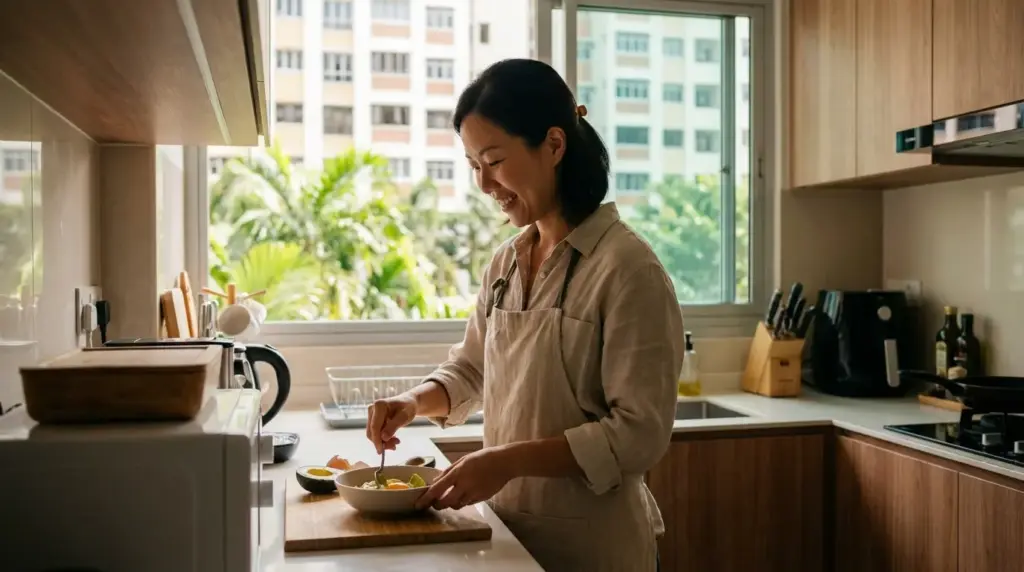
How to Maintain a GLP-1 Routine During Busy City Life
City life rarely follows a perfectly predictable timetable. A quiet morning can turn into back-to-back meetings, a quick lunch may happen between appointments, and an early evening can become a late dinner with friends.
For someone using a prescribed GLP-1 medication, these changing plans can make a new routine feel more complicated. There may be medication schedules to remember, meals and water to track, physical changes to note and information to prepare for a future appointment.
A practical GLP-1 routine should support real life rather than require every day to look the same. The goal is not perfect tracking. It is to keep the most useful information accessible when work, travel and social plans compete for attention.
Start With the Information That Should Not Get Lost
Before building a daily routine, keep the essential treatment information in one reliable place. This may include:
- The medication name
- The prescribed dose
- Whether it is injectable or oral
- The schedule provided by the prescriber
- The treatment start date
- The next appointment date
- Instructions supplied by the doctor or pharmacist
- Questions to ask at the next visit
A reminder can help a user follow the prescribed schedule, but it should not become a reason to make independent treatment decisions. If a dose is missed or plans change unexpectedly, users should consult the official medication instructions or contact their pharmacist or prescribing clinician.
Make the Routine Easy to Carry
Information often becomes scattered across calendar alerts, food photos, notes and fitness apps. That may work temporarily, but it can make weekly reviews and appointment preparation difficult.
A GLP-1 companion app such as Glowise can keep medication records, meals, protein, hydration, weight, activity and personal symptom notes together. Features including VoiceLog, food photos, barcode or nutrition-label scanning and menu scanning can also reduce repetitive typing.
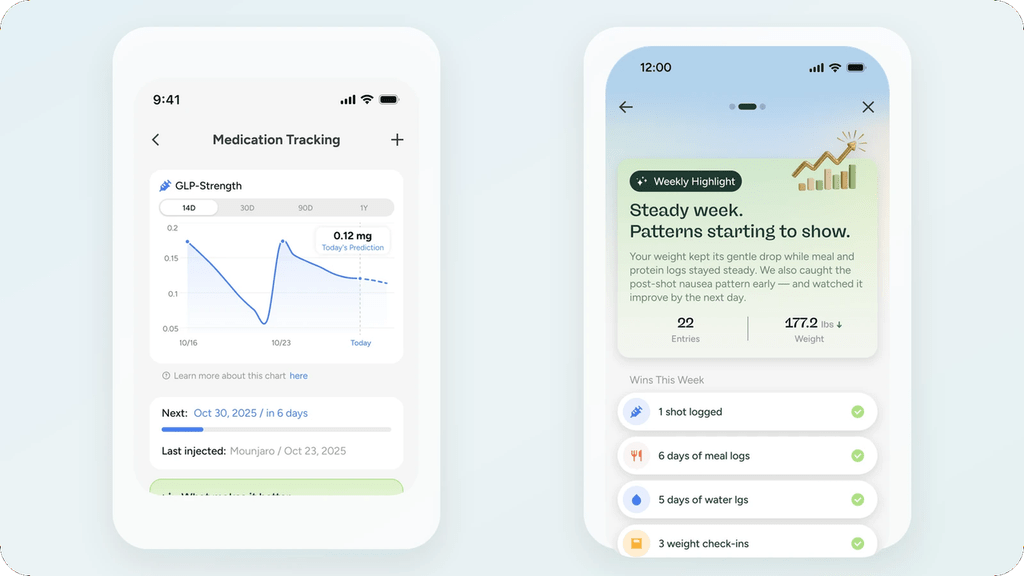
The app is designed for tracking and education, not diagnosis or treatment. It cannot decide whether a symptom is serious or recommend changing a prescribed dose. Its role is to help users retain information that they may later want to review or discuss with a professional.
Handle Restaurant Meals Without Turning Dinner Into Homework
Dining out can make food tracking feel uncertain. A restaurant meal may not arrive with a complete ingredient list, and estimating exact nutrition from appearance alone is difficult.
A useful record does not always need to be exhaustive. Depending on personal goals and guidance from a healthcare professional, someone might note:
- Where and when they ate
- The main parts of the meal
- A visible protein source
- An approximate portion
- How hungry they felt beforehand
- How they felt during or after the meal
A quick photograph can preserve information without interrupting the conversation at the table. A GLP-1 food tracker can then use food-photo recognition or menu scanning to create a starting entry.
Recognition results should still be reviewed. A photograph may not reveal cooking oils, sauces, hidden ingredients or exact portions. The tool can make logging faster, but it cannot turn an unknown restaurant dish into perfectly precise nutritional data.
Track What Is Sustainable
A detailed log may look impressive, but it has little value if it is abandoned after several days. A shorter record maintained consistently is often more useful than an elaborate system used occasionally.
Users can begin with the information their healthcare professional considers most relevant. They might record medication completion, meal timing, appetite changes, water intake and notable physical symptoms. Additional details can be added only when they provide genuine value.
There is no single calorie, protein or hydration target that is appropriate for every person using GLP-1 medication. Individual needs can be influenced by medical history, activity, age and treatment goals. Personal targets should come from a qualified healthcare professional or registered dietitian.
Keep Hydration Visible During the Day
A busy schedule can make it easy to forget when water was last consumed. Commuting, exercise, warm weather, travel and illness can also affect individual fluid needs.
Instead of trying to reconstruct the whole day at night, users can record drinks when they have them or use a simple reminder at practical times. Keeping a reusable bottle visible may also serve as a low-tech cue.
Online recommendations should not be treated as a personal hydration prescription. People with heart, kidney or other health conditions may have specific fluid instructions and should follow guidance from their healthcare provider.
Record Experiences Without Diagnosing Them
Personal notes can be especially useful when they describe what happened instead of trying to explain why.
A clear entry might include:
- The symptom or change experienced
- When it began
- How long it lasted
- Whether it happened again
- What the user had recently eaten or drunk
- The most recent medication time
- Whether it affected work, sleep or daily activities
These details may help a healthcare professional understand what happened between visits. They do not establish that a medication, meal or activity caused the symptom.
Persistent, worsening or concerning symptoms should be discussed with a healthcare provider. Urgent medical assistance should be sought when appropriate.
Prepare for Travel and Late Nights
Travel can introduce unfamiliar meal times, disrupted sleep and different time zones. Before leaving, users should review the official storage and travel instructions for their specific medication and ensure they have the necessary supplies.
Questions about changing a dosing time across time zones, transporting medication or handling a missed dose should be directed to a pharmacist or prescribing clinician. Instructions can vary between products, so advice found for one GLP-1 medication may not apply to another.
It can also help to keep medication information and the prescriber’s contact details accessible while away.
Use a Weekly Reset
A GLP-1 routine does not need to be evaluated after every meal or activity. A brief weekly review can be enough to organise what has been recorded.
Users might ask:
- Did I follow the schedule provided by my prescriber?
- Which details did I repeatedly forget to record?
- Which logging method was easiest?
- Were there recurring changes I should mention at my next appointment?
- Is tracking becoming too complicated?
If the routine feels burdensome, reducing the number of tracked items may make it easier to continue. The most important information should reflect the individual’s care plan rather than a generic checklist.
Let the Routine Support Your Life
A sustainable GLP-1 routine should work during ordinary mornings, crowded commutes, restaurant dinners and weekends away. It does not require every day to be identical or every meal to become a nutritional calculation.
Keep essential treatment instructions accessible, use reminders without allowing them to replace professional advice and record enough information to support future conversations with a healthcare provider.
The best routine is not the one with the most data. It is the one that remains useful when life becomes busy.
Frequently Asked Questions
How can I maintain a GLP-1 routine with a changing schedule?
Keep prescribed treatment information in one place, use adjustable reminders and choose quick recording methods. Questions about changing medication timing should be directed to a pharmacist or prescriber.
What should I record when dining out?
A simple entry may include the meal time, main foods, approximate portion, appetite and how you felt afterward. A food photo can help preserve details for later review.
Can an app tell me what to do after a missed dose?
A general tracking app should not independently provide missed-dose instructions. Consult the official instructions for your medication or contact your pharmacist or prescribing clinician.
Do I need to count everything I eat?
Not necessarily. Track the information that is sustainable and relevant to your care plan. Personal nutrition targets should come from an appropriate healthcare professional.
What should I do before traveling with GLP-1 medication?
Review the medication’s official storage and transport instructions, bring the necessary supplies and ask a healthcare professional about time-zone or scheduling questions before leaving.