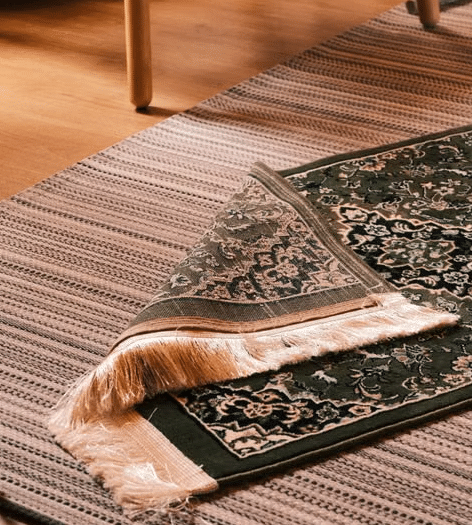
How to Layer Rugs for a More Stylish and Cosy Interior
Layering is one of the easiest ways to add warmth, depth, and personality to a room. It creates a trendy addition to a plain floor and adds to the welcoming feel of any space. It may seem easy, but it’s a few good decisions that can make it happen. This is the way it should be done.
Start With a Strong Base Layer
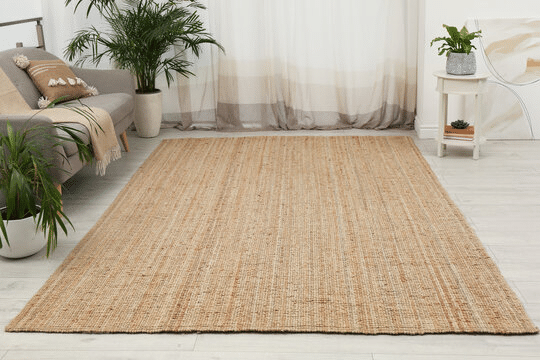
All layered styles start with the base layer. Opt for a neutral color (beige, gray, or cream) and a flat weave or a low pile. This should be large enough to place beneath most furniture. Use natural fibers such as jute, wool, and cotton, as they will add texture without being too bulky. Flat weaves also prevent the top layer from bunching or sliding.
Add a Soft Top Layer in Natural Hide
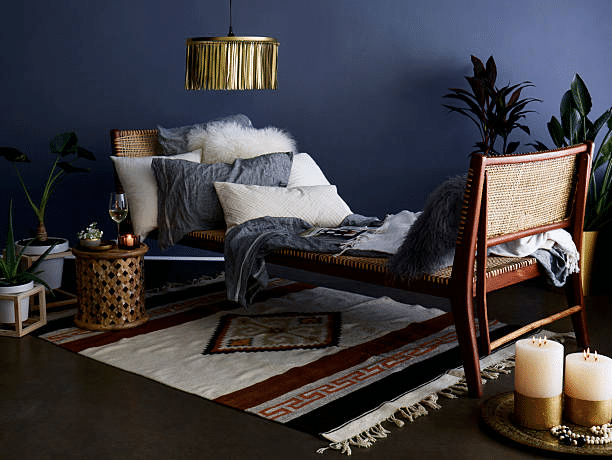
It’s the top layer that gives it the cozy vibe. Sheepskin, cowhide, and reindeer are some of the most common natural hides that are used because they are soft, textured, and can be placed at an angle. You can explore a wide range of rugs in these styles to find a shade that suits your base layer. The cowhide will add a bold, classic style, and the sheepskin will add softness.
Mix Textures for Depth
Texture is the secret to a layered look. Pair a smooth flat base with a thick fluffy top piece for contrast. A woven jute base is nice under a creamy sheepskin, and a short pile wool base is good for a patterned cowhide. However, one texture must be calm while the other must be a standout texture, thus enabling to have a balanced room without busyness.
Play With Colour and Pattern
Colour creates a tie between the elements. If your base is neutral, you can be bolder with the top layer. For a black cowhide, use a soft grey sheepskin or a warm brown cowhide to resonate with wood tones or cushions in the room. When using patterns, keep one layer plain so the pattern does not compete. But a splash of colour can brighten a plain colour scheme.
Get the Size and Placement Right
Layering appears neat thanks to size and placement. The top piece should be noticeably smaller than the base, leaving a border of 20 to 30 cm showing. Place it slightly off centre or at an angle for a relaxed designer feel. Place it in a living room in the area where a coffee table is located. Place it in a bedroom next to the bed or at the foot of the bed.
Keep Pieces Secure and Safe
Safety matters, especially in busy homes. A non-slip pad under the base layer will prevent movement on hard floors. If the top piece slides over the base, put a thin pad or grip tape underneath the top piece. Avoid doorways with layered pieces that may trip. Designs remain stylish and safe for everyone with flat edges and secure placement.
Care for Your Layered Look
Natural materials need gentle care. Regularly vacuum the base layer and gently brush with an appropriate brush to hide. Turn both pieces around frequently to wear them out evenly; avoid strong sunlight to prevent fading. Blot, do not rub, when treating spills. A little routine care keeps the layers looking fresh.
Conclusion
The concept of layering helps you decorate your home in a stylish, comfortable, and affordable manner. Begin with a neutral base, add a soft top piece, mix texture, and maintain balance of colours. Tie them all together and care for them periodically. After a bit of experimentation, you will discover a blend that suits you and makes each room more inviting.
For More information: Click Here