How to Install a Water Heater Circulating Pump Step by Step
A water heater circulating pump can shorten the wait for hot water at distant sinks, showers, and laundry taps. That comfort benefit also limits clean water loss during daily routines. Still, this upgrade touches pressurized plumbing, temperature control, electrical service, and code rules. A licensed plumber should confirm the design before work begins, especially where hardwired controls or gas appliances sit near the heater.
Plan the Job
Before opening any fitting, the installer should map pipe routes, valves, outlet access, fixture distance, and heater type. Homeowners may review how to install a water heater circulating pump for basic orientation, then compare those steps with local code, pump instructions, warranty terms, and site conditions before a licensed professional changes any water line.
Check the Plumbing Layout
The system needs a return route for cooled water in the hot line. Some houses have a dedicated return pipe already installed. Others rely on a crossover valve placed under the farthest sink. The plumber checks the pipe material, access points, shutoff locations, fixture spacing, and heater connections before selecting the safest layout.
Choose the Pump
Pump selection affects comfort, noise, and energy use. A weak unit may leave long branches slow to heat. An oversized model can increase wear, vibration, and power demand. The plumber reviews pipe length, household patterns, heater capacity, and control style. On-demand operation often works well because the pump runs only when hot water is needed.
Gather Parts
Typical parts include the pump, mounting hardware, isolation valves, check valve, temperature sensor, crossover valve, fittings, approved sealant, and proper electrical supply. The final list depends on pipe design and the manufacturer’s instructions. Professionals also verify thread type, clearance, valve orientation, and service access. Small missing parts can stop progress at a critical point.
Shut Off Utilities
Water and power must be shut off before installation starts. Gas water heaters also require careful burner and vent safety checks. The plumber closes the cold supply, opens a hot tap, and drains enough water to relieve pressure. Electrical service is verified at the breaker, outlet, or junction box before wiring begins.
Install the Pump
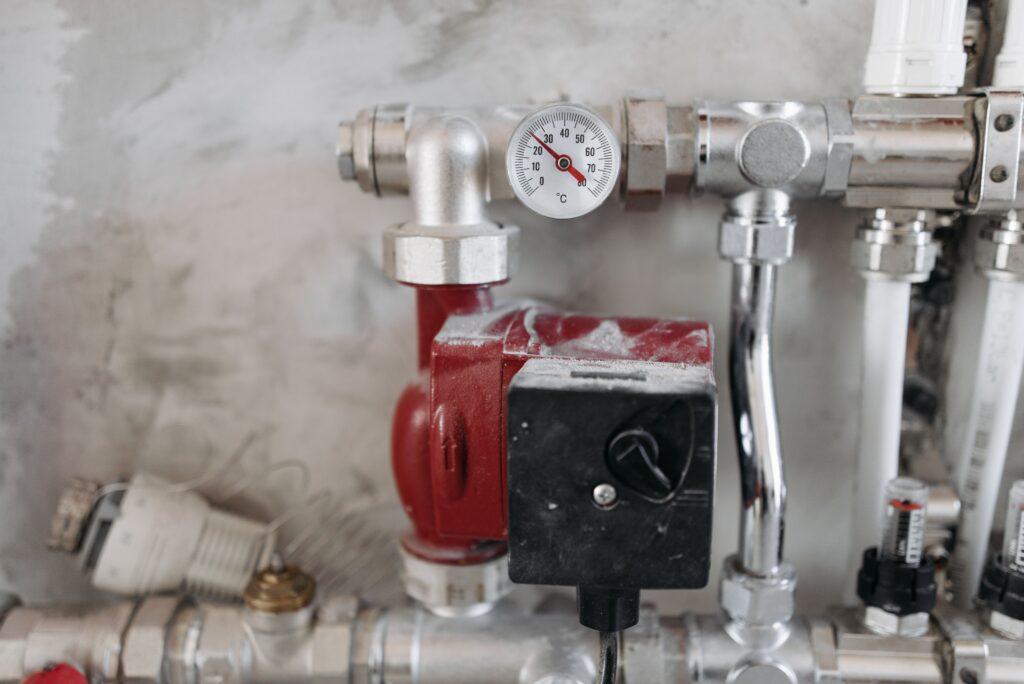
The pump is placed near the heater or near a remote fixture, depending on design. Flow direction must match the arrow on the pump body. Threaded joints need clean surfaces and approved sealant. Isolation valves are worth adding because they allow future service without draining large sections of pipe.
Add the Return Path
A dedicated return line connects back to the heater inlet or another approved connection point. In homes without that line, a crossover valve can use the cold pipe as the return path. Placement matters. A poorly located valve may cause warm water at cold taps or slow delivery at distant fixtures.
Place the Sensor
Temperature control keeps the pump from running without need. The sensor is often placed near the end of the hot water branch or close to the farthest fixture. Once water reaches the set temperature, the pump shuts off. That control reduces energy loss, limits motor wear, and keeps delivery more predictable.
Connect Controls
Controls may include a timer, a push button, a motion sensor, a switch, or a smart controller. Each choice affects how often the pump runs during the day. The plumber or electrician follows the manufacturer’s wiring directions and local requirements. Plug-in pumps need a suitable outlet. Hardwired systems require approved electrical work and accessible service points.
Refill and Test
After all connections are secured, the plumber slowly refills the piping. Open fixtures help release trapped air. Every joint is checked under pressure before the pump runs. The installer then confirms flow, temperature shutoff, valve action, and quiet operation. Distant fixtures should receive hot water faster without pressure surges.
Tune Daily Use
Controls should match the household’s real schedule. Morning showers, evening cleanup, and meal preparation often guide timer settings. Sensor-based systems may need minor adjustments after several days. The goal is quick delivery with a limited runtime. If cold taps turn warm, the crossover valve or check valve needs inspection.
Conclusion
A circulating pump can make daily hot water use more efficient, but installation should match the home’s exact plumbing and electrical conditions. Favorable results depend on pump sizing, return routing, sensor placement, controls, and pressure testing. Professional installation helps protect safety, code compliance, and equipment life. Once adjusted, the system can deliver hot water faster while reducing the amount of clean water wasted at distant fixtures.