How to Get the Best Cash for Gold in Atlanta: A Complete Seller’s Guide
If you have old gold jewelry sitting in a drawer, broken chains tucked away in a jewelry box, or coins you’ve inherited but never use, you may be surprised by how much they’re worth. Gold has remained one of the world’s most valuable precious metals for centuries, making it a practical asset to sell when you need extra cash or simply want to declutter.
However, not every gold buyer offers the same experience or value. Understanding how the gold-selling process works can help you avoid common mistakes and ensure you receive a fair offer. Whether you’re selling a single ring or an entire jewelry collection, taking the right approach can make a significant difference.
This guide explains everything you need to know before selling gold, from understanding what affects its value to choosing a reputable buyer and preparing your items for appraisal.
Why People Choose to Sell Gold
There are many reasons people decide to sell unwanted gold. Some are looking to free up space by getting rid of jewelry they no longer wear, while others need quick access to cash for unexpected expenses. Family heirlooms, outdated styles, broken jewelry, and duplicate gifts often become valuable assets when sold to a trusted buyer.
Unlike many household items that lose value over time, gold tends to retain its worth because of its intrinsic value. Even damaged or incomplete pieces can still have considerable value based on their gold content.
What Determines the Value of Your Gold?
One of the biggest misconceptions among first-time sellers is that jewelry is valued only by its appearance. In reality, several factors influence how much a buyer may offer.
Gold Purity
Gold purity is measured in karats. Common purity levels include:
- 24K – Pure gold
- 22K – Approximately 91.6% gold
- 18K – 75% gold
- 14K – 58.3% gold
- 10K – 41.7% gold
Higher purity generally means higher value, although weight and current market prices also play important roles.
Weight
Gold is typically weighed in grams or troy ounces. Naturally, heavier pieces contain more precious metal and usually command higher offers.
Current Gold Market Prices
Gold prices fluctuate daily based on global economic conditions, inflation, currency values, and investor demand. Because prices change regularly, the timing of your sale can influence your payout.
Condition Isn’t Always Important
Many sellers believe broken jewelry has little or no value. Fortunately, that’s rarely true. Bent bracelets, broken necklaces, single earrings, and damaged rings often retain value because buyers are primarily interested in the precious metal itself rather than whether the item can still be worn.
Common Items That Can Be Sold
Many people don’t realize just how many types of valuables may qualify for appraisal. Depending on the buyer, you may be able to sell:
- Gold rings
- Necklaces
- Bracelets
- Earrings
- Watches
- Gold coins
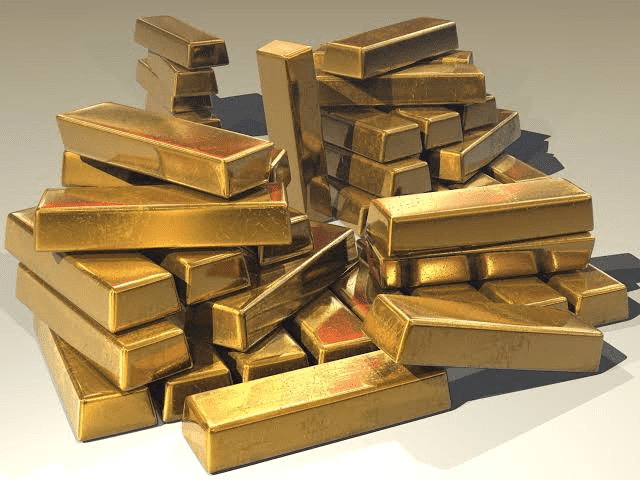
- Gold bars
- Estate jewelry
- Dental gold
- Scrap gold
- Broken jewelry
- Precious metal collectibles
Some buyers also purchase silver, platinum, diamonds, luxury watches, and other valuable items, allowing you to sell multiple assets during one visit.
How to Prepare Before Selling Your Gold
Taking a few simple steps beforehand can help you feel more confident during the appraisal process.
Organize Your Items
Separate your jewelry by type or karat if you know the purity. This makes the evaluation process more efficient.
Look for Hallmarks
Many gold items include small markings such as 10K, 14K, 18K, or 24K. These stamps provide an indication of purity, although professional testing may still be required.
Gather Any Documentation
If you have original purchase receipts, certificates, or appraisal documents, bring them along. While they’re not always necessary, they can provide helpful background information for certain items.
Understand Current Market Trends
Checking the current price of gold before visiting a buyer gives you a general idea of market conditions. While buyers must account for refining costs and business expenses, knowing current prices helps you better understand the appraisal process.
Why Choosing the Right Gold Buyer Matters
Not every gold-buying business operates with the same level of transparency. Choosing an experienced, reputable buyer can make the selling process far more comfortable.
Look for businesses that offer:
- Free evaluations
- Transparent testing methods
- Honest explanations of pricing
- No-pressure offers
- Experienced appraisers
- Immediate payment when an offer is accepted
Reading customer reviews, checking business ratings, and researching the company’s reputation before visiting are smart ways to identify trustworthy buyers.
For those looking for reliable Cash for Gold in Atlanta services, working with an experienced local precious metals buyer can make the process straightforward and transparent, giving sellers confidence that their valuables are being professionally evaluated.
Questions You Should Ask Before Accepting an Offer
Don’t hesitate to ask questions during the appraisal. A reputable buyer should be happy to explain how they arrived at their offer.
Some useful questions include:
- How was my gold tested?
- What purity was identified?
- How much does each item weigh?
- Is today’s offer based on current market prices?
- Am I obligated to sell today?
Clear communication helps build trust and ensures you fully understand the transaction before making a decision.
Common Mistakes to Avoid When Selling Gold
Selling gold is usually a straightforward process, but a few common mistakes can result in lower offers or unnecessary stress. Taking a little time to prepare can help you make a more informed decision.
Accepting the First Offer Without Research
While accepting the first offer may be convenient, it’s often worthwhile to compare options. Different buyers may use varying evaluation methods, and obtaining more than one appraisal can help you better understand your item’s market value.
Selling Without Knowing What You Have
Many people assume all gold jewelry is the same. In reality, purity, weight, craftsmanship, gemstones, and collectible value can all affect pricing. Spending a few minutes identifying hallmarks or gathering documentation can make the process easier.
Overlooking Small or Broken Pieces
Broken chains, single earrings, damaged bracelets, and even scrap gold can still have value. Because gold is valued primarily for its precious metal content, these items are often worth more than sellers expect.
Choosing a Buyer Based Only on Advertising
An attractive advertisement doesn’t always reflect the quality of service. Before visiting any business, look for customer reviews, years of experience, and a reputation for transparent evaluations. A trustworthy buyer should clearly explain how your items are assessed and answer any questions without pressure.
The Benefits of Selling Gold Locally
Many sellers consider mailing their valuables to an online buyer, but visiting a local business offers several advantages.
Face-to-Face Appraisals
One of the biggest benefits is the ability to watch the evaluation process in person. You can ask questions, see how your items are tested, and receive immediate explanations about the offer.
Immediate Payment
Unlike mail-in services that may take days or even weeks, local buyers often provide payment as soon as an offer is accepted. This convenience is especially valuable if you need funds quickly.
Greater Peace of Mind
Shipping valuable jewelry always carries some level of risk. Selling locally eliminates concerns about packages being lost, delayed, or damaged during transit.
Personalized Service
Experienced local buyers often take time to explain the appraisal process, helping first-time sellers feel more comfortable. Personalized service also makes it easier to discuss unique items such as estate jewelry, rare coins, or luxury watches.
Understanding the Gold Appraisal Process
If you’ve never sold gold before, knowing what happens during an appraisal can help set realistic expectations.
Although every buyer may have a slightly different approach, the process generally includes:
- Initial Inspection: The buyer examines each item to identify hallmarks, craftsmanship, and overall condition.
- Purity Testing: Professional testing methods confirm the gold content.
- Weight Measurement: Each item is weighed using precise scales.
- Market Price Review: The current value of gold is considered when calculating the offer.
- Final Offer: The buyer explains the valuation and presents a no-obligation offer.
A professional appraisal should be transparent, with each step explained clearly so you understand how the offer was determined.
Why Timing Can Influence Your Return
Gold prices fluctuate based on global economic conditions, inflation, currency movements, and investor demand. While no one can predict the market perfectly, staying informed about price trends may help you decide when to sell.
That said, the “best” time to sell also depends on your personal circumstances. If you have unused jewelry collecting dust or need immediate cash, waiting for a slight market increase may not always provide a significant advantage. The most important factor is choosing a reputable buyer who offers fair pricing based on current market conditions.
How to Choose a Trusted Gold Buyer
Before making your final decision, consider a few important factors:
- A strong reputation backed by positive customer reviews
- Experienced professionals who specialize in precious metals
- Clear and transparent testing methods
- No-pressure evaluations
- Honest communication throughout the appraisal
- Competitive offers based on current market prices
- Secure and professional business practices
Taking the time to research a buyer helps create a more comfortable selling experience and reduces the likelihood of unpleasant surprises.
Final Thoughts
Selling unwanted gold can be a practical way to unlock the value of items you no longer need. Whether you’re clearing out old jewelry, handling an estate, or simply looking for extra cash, understanding how the process works puts you in a stronger position to make informed decisions.
Remember that gold’s value depends on factors such as purity, weight, and current market prices—not simply its appearance. By preparing your items, asking the right questions, and choosing a reputable buyer, you can approach the transaction with confidence.
If you’re planning to sell your valuables, taking the time to work with an experienced local professional can make the experience smoother, more transparent, and more rewarding. A trusted buyer will provide a clear explanation of the appraisal process, answer your questions honestly, and ensure you understand your options before making any decision.
By following the guidance in this article, you’ll be well prepared to navigate the gold-selling process and maximize the value of your unwanted precious metals while enjoying a safe and professional experience.