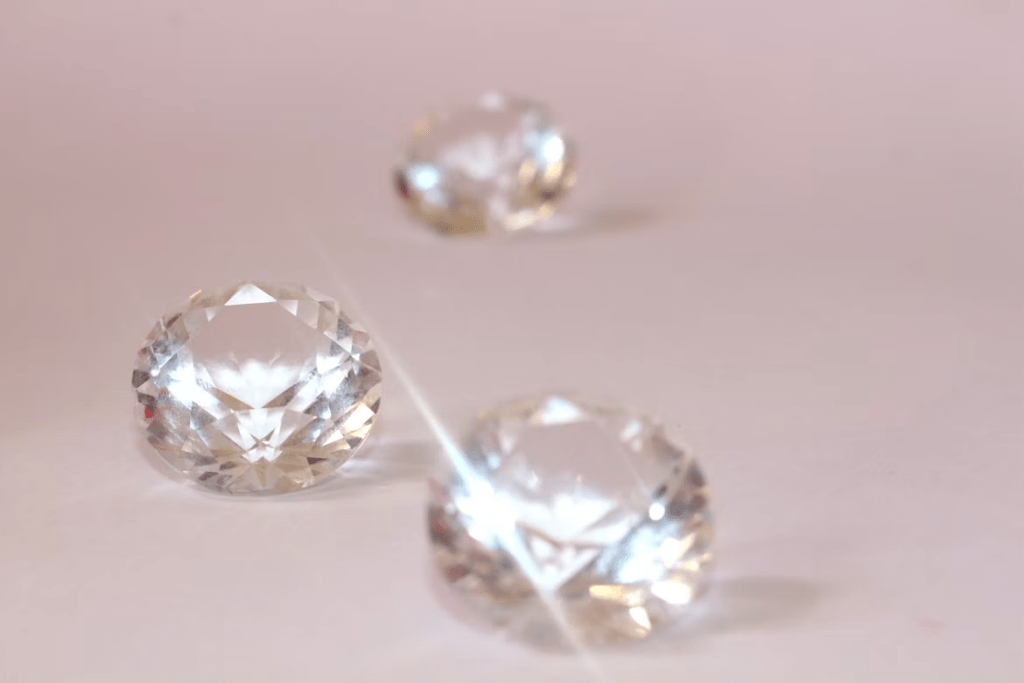
How to Find the Right Balance of Diamond Quality and Style
Shopping for fine jewelry often feels overwhelming when trying to balance appearance and value. Learning how visual traits pair with technical grades makes every purchase smoother.
A smart buyer focuses on key features that boost brilliance without inflating costs needlessly. Striking this harmony allows you to select pieces that shine bright for decades.
Understanding the Core Basics of Diamond Grading
Every gemstone receives grades based on four primary attributes that determine rarity and market price. Cut, clarity, color, and carat weight guide buyers through the selection process.
Metal choices play a huge role in how a stone presents itself on your body. When selecting classic pieces like diamond stud earrings, necklaces or anything else, matching color and clarity to metal backings creates maximum visual impact. Yellow gold hides slight warm tints, whereas platinum demands near-colorless stones. Choosing appropriate settings helps maintain a pristine look without paying extra for invisible perfection.
Proportions matter far more than flawless clarity when creating captivating sparkle under ambient light. Well-cut stones refract light effectively, hiding tiny internal characteristics from the naked eye.
Prioritizing Cut Quality for Maximum Brilliance
Gem cutters work diligently to shape rough stones into brilliant masterpieces. Proper angles allow light to bounce through the crown directly back to your eye.
Inferior cuts leave stones looking dull, lifeless, or surprisingly small despite heavy carat numbers. Investing heavily in cut grade yields the greatest visual reward of all parameters.
A stone graded as excellent or ideal displays incredible fire across room-length distances. Superior geometry masks minor inclusions, keeping visual appeal extraordinarily high.
Selecting Practical Clarity Grades for Daily Wear
Microscopic flaws occur naturally during geological formation beneath Earth’s surface over millions of years. Most inclusions remain completely invisible unless viewed under 10-times magnification loupes.
Slightly included stones offer immense savings, looking completely clear to casual observers. Bypassing flawless grades preserves budget capital for larger carat weights or premium mountings.
Eye-clean gems provide exact visual parity with top-tier museum-grade specimens in daily settings. Focusing on visual clarity rather than paper certificates maximizes personal satisfaction.
Navigating Carat Weight Rules and Tolerances
Carat weight directly impacts pricing tiers, causing sharp jumps at full rounded numbers. Choosing fractions just below whole numbers saves money, offering an identical appearance.
Official trade regulations define strict boundaries for advertised weight measurements. Government commerce guidelines state that a stone sold at half a carat must measure within 0.495 and 0.504 carats. Knowing these precise tolerances protects buyers from mislabeled inventory during transactions.
Focusing on physical millimeter dimensions provides a truer sense of size than weight alone. Well-proportioned gems spread weight outward, creating impressive surface coverage across mounting styles.
Comparing Natural and Created Stones
Modern technology creates gem-quality crystals possessing identical physical, chemical, and optical traits to mined stones. Consumers now enjoy unprecedented freedom when choosing origins for their collections.
Industrial sectors rely heavily on lab-created materials due to consistent manufacturing quality. Official government mining reports show synthetic production accounts for over 99% of industrial diamond usage globally. Fine jewelry markets benefit from similar technological advances, yielding affordable luxury options.
Deciding between mined and created options rests purely on personal preference and budget allocation. Lab-created choices allow shoppers to select larger stones with top grades at reasonable price points.
Choosing Setting Styles to Match Personal Fashion
Metal selection defines the overarching aesthetic of fine jewelry items. Setting choices safeguard precious gems and highlight their finest physical characteristics.
Popular mounting options offer distinct structural advantages for different activity levels:
- Prong settings maximize light passage through side facets for intense shimmer.
- Bezel settings surround gem perimeters with protective metal walls to prevent accidental chipping.
- Halo mountings wrap center stones in small accent diamonds to expand visual size.
Matching metal colors to skin tones elevates overall harmony when wearing favorite accessories daily. Warm gold alloys pair beautifully with classic styles, whereas platinum offers modern sophistication.
Balancing Budget Priorities for Long-Term Value
Smart shopping requires allocating funds where they make the most noticeable visual impact. Prioritizing cut structure ahead of extreme clarity yields the most brilliant appearance.
Purchasing certified gems provides unbiased grading verification from established gemological laboratories. Documentation confirms exact measurements, protecting buyers during appraisal procedures.
Selecting timeless designs guarantees your jewelry pieces remain fashionable through changing trends. Quality craftsmanship paired with thoughtful style choices yields enduring satisfaction.
Finding the right balance requires pairing personal taste with knowledge of gemstone characteristics. Focusing on cut quality and flattering settings delivers stunning results every time.
Smart shoppers make informed decisions that match their lifestyle needs and financial boundaries. Thoughtfully chosen jewelry brings lifelong joy and effortless style to any wardrobe.