How to Create a Healthier Home Environment for Everyday Wellness
Indoor environments frequently trap invisible particles that compromise daily respiratory health, exacerbating existing conditions for more than 35 million people nationwide. Modern residential building design often prioritizes airtight insulation to improve energy efficiency, but this structural tight seal simultaneously locks in common airborne irritants. Failing to provide consistent outdoor air exchange causes household pollutants to accumulate at levels that significantly exceed typical outdoor baselines.
Optimizing natural ventilation remains the simplest foundational step toward balancing your domestic ecosystem. Opening windows on opposite sides of a room creates an immediate cross-breeze that forces stagnant air and microscopic particles outside. Individuals can manage baseline indoor conditions by tracking outdoor pollen and pollution counts before opening windows, ensuring they introduce truly clean air into the living environment.
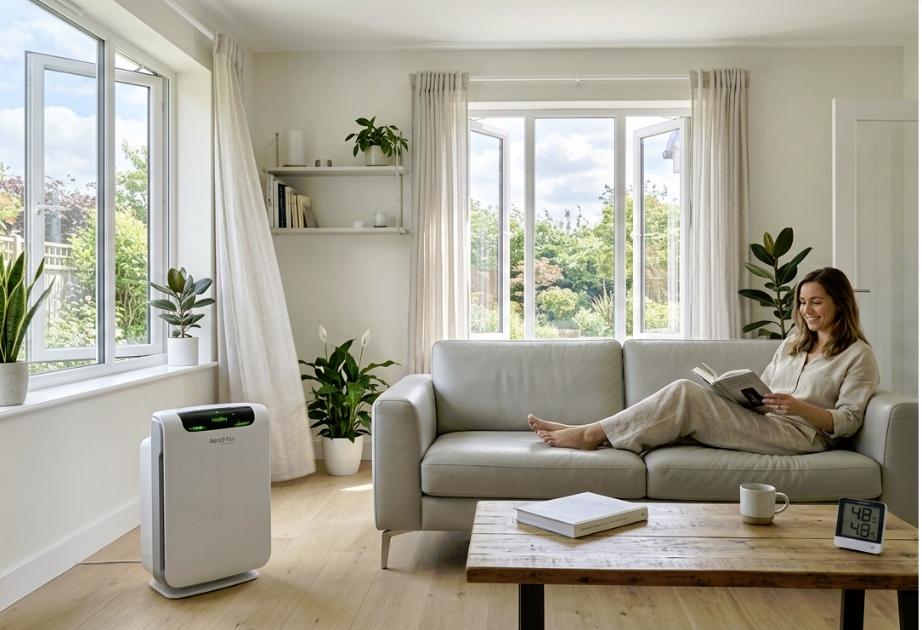
Mechanical filtration systems offer a predictable solution when regional outdoor air quality or seasonal weather patterns prevent regular open window ventilation. High-efficiency particulate air systems constantly cycle indoor air through dense fiber meshes to capture fine particulates before they settle on furniture or enter human airways. Dedicated air-cleaning units reduce the physical stress on your lungs by removing the microscopic debris that constantly triggers inflammatory responses.
Strategic Source Control and Allergen Mitigation
Eliminating pollutant sources entirely provides a much more sustainable long-term solution than relying solely on filtration to clean up existing household dust. Microscopic dust mites thrive in mattress fibers and heavy carpets, shedding waste particles that are a primary trigger for chronic nightly coughing fits. Swapping out standard bedding for tightly woven allergen-proof covers seals these microscopic pests away from your skin and respiratory tract.
Pet dander represents another resilient biological particulate that bonds tightly to walls, flooring, and soft window drapes. Regular vacuuming with machinery that uses specialized exhaust seals prevents these microscopic protein flakes from being blown right back into the room during operation. Maintaining a relative humidity level between 40% and 60% prevents these common household allergens from multiplying rapidly in hidden, damp corners.
Managing these everyday household triggers becomes especially crucial for individuals who rely on targeted medical interventions to maintain their daily respiratory stability. Consistently minimizing physical dust and dander reduces the total biological workload on your lungs, which directly maximizes the overall therapeutic real-world efficacy of asthma medications for better breathing during symptom flare-ups. Lowering the baseline volume of environmental irritants allows your body to respond more efficiently to preventative care routines.
The following environmental management strategies help minimize the accumulation of indoor irritants:
- Wash all bedding weekly in hot water exceeding 54 degrees Celsius
- Choose hard surface flooring instead of thick carpeting in primary bedrooms
- Wipe down hard surfaces with damp microfiber cloths to capture fine dust
Managing Household Chemicals and Combustion Triggers
Everyday chemical compounds introduced through routine cleaning habits can inadvertently degrade the safety of your indoor breathing environment. Conventional synthetic fragrances, aerosol sprays, and harsh chemical solvents release volatile organic compounds that linger in the air long after the initial scent fades away, according to studies. These airborne chemical vapors cause direct, localized irritation to the delicate mucosal linings of the human respiratory tract.
Transitioning toward simple, unscented cleaning alternatives like basic baking soda and distilled white vinegar keeps surfaces hygienic without releasing complex chemical gases. Reading manufacturing labels carefully allows homeowners to intentionally select commercial products that carry verified low- or zero-VOC certifications. Eliminating synthetic air fresheners and scented candles prevents artificial chemical irritants from constantly circulating through your shared living spaces.
Also, cleaning itself is important, so don’t skip it entirely. Just make these adaptations, and you’ll be on the right track.
Combustion byproducts represent another major category of hidden indoor air pollution that requires active daily management. Gas cooking hobs release noticeable amounts of nitrogen dioxide into the kitchen air during standard meal preparation.
Operating a high-performance range hood that vents entirely to the outdoors draws these combustion gases out of the kitchen before they migrate into surrounding living areas. Keeping kitchen exhaust fans running for ten minutes after you finish cooking ensures that all residual cooking vapors are successfully cleared from the property.
Controlling Moisture to Prevent Toxic Mold Growth
Uncontrolled moisture accumulation inside walls and under sinks creates an ideal breeding ground for toxic mold colonies. Mold spores travel effortlessly through internal residential air currents, tracking into communal living zones where they are easily inhaled during normal sleep cycles. Prolonged exposure to high indoor humidity levels damages drywall and causes chronic sinus congestion and persistent throat irritation for occupants.
Leaky plumbing fixtures must be repaired immediately to deny fungal spores the localized moisture pools they require to germinate and expand. Utilizing local exhaust fans in bathrooms during hot showers draws heavy steam away from cold ceiling surfaces before condensation can settle into the paint. Wiping down damp bathroom tiles and shower enclosures prevents surface mildew from establishing a permanent foothold in high-moisture structural zones.
Basements and crawl spaces require dedicated mechanical dehumidifiers to keep relative humidity well below the threshold at which fungal growth accelerates. Monitoring indoor moisture levels with an inexpensive digital hygrometer gives homeowners the precise data needed to adjust ventilation equipment throughout the changing seasons. Maintaining a dry, stable interior climate protects the structural integrity of your building materials while creating a hostile environment for common biological irritants.
Designing Minimalist Spaces for Long-Term Respiratory Wellness
The physical arrangement of furniture and decorative items directly impacts how easily dust settles and accumulates across your home over time. Ornate decorations, open bookshelves, and complex fabric installations serve as structural dust traps that require constant, meticulous maintenance to keep clean. Adopting a more streamlined, minimalist approach to interior decor reduces the total surface area available for airborne particulates to land.
Storing loose personal items inside closed cabinets or smooth plastic bins prevents them from gathering ambient household dust between cleanings. Selecting furniture upholstered in non-porous materials, such as treated leather or smooth wood, allows for rapid dusting without trapping deep-seated allergens. Streamlining your interior spaces makes routine cleaning tasks significantly faster while permanently reducing the total volume of hidden environmental irritants.
Investing time into optimizing indoor air quality, managing relative humidity, and reducing chemical irritants builds a resilient foundation for long-term physical wellness. Creating a home environment that actively supports your respiratory system reduces daily bodily stress and promotes deep, restorative rest every single night.
Transforming your living space into a clean sanctuary ensures that the air you breathe always works to restore your vitality rather than drain it. If you want more practical insights on maintaining a balanced household, explore our other domestic-focused posts.