How to Choose the Right Deck Builder for a Beautiful and Durable Outdoor Space
A well-designed deck can completely change the way a home’s outdoor area is used, providing a comfortable place for relaxing, entertaining guests, enjoying meals, or spending quality time with family. However, creating a deck that looks attractive and performs well for many years requires more than selecting a few boards and putting them together. The planning, structural design, materials, craftsmanship, and finishing details all have an important role in determining the final result. Choosing an experienced deck builder can make the entire process easier because a skilled professional understands how to turn an idea into a practical outdoor structure. From the initial consultation to the final inspection, the right professional can help homeowners make informed decisions about layout, materials, safety features, and maintenance requirements. A properly planned deck should complement the existing property while providing enough space for its intended purpose. It should also be constructed with durability and long-term performance in mind. By taking time to select the right contractor and establish clear expectations, homeowners can create an outdoor space that offers both beauty and lasting value.
Understanding Your Deck Requirements
Before construction begins, homeowners should carefully consider what they want their deck to accomplish. Some people may want a simple platform for outdoor seating, while others may envision a larger entertainment area with dining furniture, built-in seating, lighting, stairs, privacy screens, or other custom features. Understanding the intended purpose makes it easier to determine the appropriate size, shape, layout, and materials. The surrounding property should also be considered because the deck needs to work naturally with existing doors, windows, landscaping, and walkways. Homeowners should think about how many people will typically use the space and what furniture or equipment they plan to place on it. A professional deck builder can discuss these requirements and suggest design solutions that maximize the available space without making the area feel crowded. Proper planning at this stage can also help identify potential challenges before construction starts. Taking the time to discuss lifestyle needs, aesthetic preferences, and practical requirements can result in a much more functional final design.
Selecting Suitable Decking Materials
The choice of decking material affects the appearance, durability, maintenance requirements, and cost of the finished structure. Natural wood remains a popular option because it provides a warm, traditional appearance and can complement many different architectural styles. However, wood may require regular cleaning, staining, sealing, and inspection to maintain its appearance and protect it from outdoor exposure. Composite materials offer another option and are often selected by homeowners who prefer lower maintenance. They are available in various colors, textures, and finishes, allowing people to achieve different visual styles without relying entirely on natural timber. Other material choices may also be appropriate depending on the project’s requirements and budget. When comparing options, homeowners should consider more than the initial purchase price. Long-term maintenance, expected lifespan, appearance, installation requirements, and repair needs can all affect the overall value of a material. An experienced deck builder can explain the differences between available options and help homeowners select materials that match their priorities. Making this decision carefully can improve both the appearance and performance of the finished deck.
Creating a Functional and Attractive Design
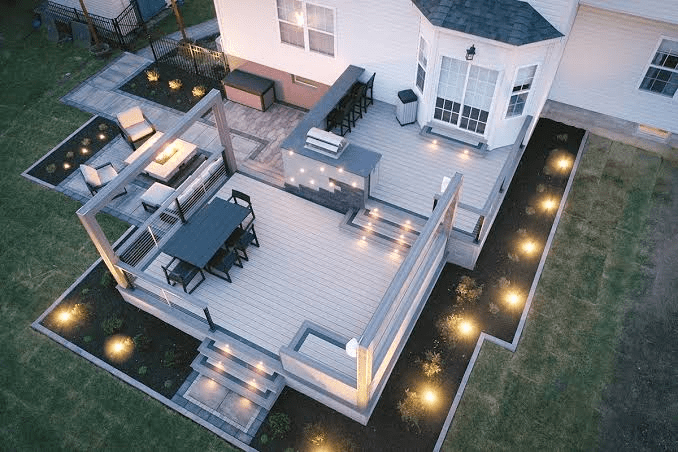
Good deck design involves balancing appearance with practical use. A visually impressive structure may not be useful if there is insufficient space for furniture or if movement between different areas is difficult. Homeowners should consider where tables, chairs, grills, storage units, and other outdoor items will be placed before deciding on the final dimensions. Creating separate areas for dining, relaxing, and entertaining can make a larger deck feel organized and comfortable. Smaller decks can also benefit from thoughtful furniture placement and built-in features that maximize usable space. Lighting can be incorporated to improve visibility and create a welcoming atmosphere during evening use. Privacy screens, planters, pergolas, and shade structures can provide additional comfort while contributing to the overall design. A qualified deck builder can incorporate these features into the initial plans rather than treating them as afterthoughts. This approach can improve the visual consistency of the project and make future modifications easier. The best designs are those that look attractive while also supporting the way homeowners actually intend to use the outdoor space.
Focusing on Structural Safety
Safety should always be a fundamental consideration when planning and constructing a deck. The structure must be capable of supporting expected loads and should include secure connections, appropriate supports, stable stairs, and properly installed railings where required. Every part of the deck, including components that will eventually be hidden beneath the finished surface, contributes to its overall stability. Water management is another important consideration because standing moisture can contribute to deterioration and damage over time. Proper spacing, drainage, ventilation, and material selection can help reduce moisture-related problems. Stairs should be designed carefully so that they are comfortable to use and consistent in their dimensions. Railings should be firmly secured and positioned appropriately for safety. Homeowners should ask potential contractors how they approach these structural considerations and whether they have experience handling projects with similar requirements. A professional deck builder should be able to explain the structural aspects of the project clearly and demonstrate a commitment to safe construction practices. Prioritizing safety from the beginning can help prevent costly repairs and serious problems later.
Establishing a Realistic Budget
Creating a realistic budget is an essential step before committing to a deck project. The total cost can include much more than the visible decking boards, with expenses potentially involving structural framing, foundations, stairs, railings, fasteners, labor, finishing, lighting, preparation, and custom features. The size and complexity of the deck will naturally influence the overall investment. Homeowners should request detailed estimates that clearly explain what is included and what may result in additional charges. Comparing several proposals can be useful, but the cheapest option should not automatically be considered the best. Extremely low estimates may sometimes exclude important elements or rely on lower-quality materials. A detailed written proposal makes it easier to compare contractors based on both price and scope. Homeowners should also consider setting aside some additional funds for unexpected issues that may become apparent once construction begins. An experienced deck builder can help explain where the budget is likely to be spent and identify areas where homeowners can prioritize features according to their available funds. Good financial planning can make the project less stressful and reduce the possibility of unexpected expenses.
Evaluating Contractor Experience
Experience is one of the most useful factors to consider when choosing someone for a deck project. A contractor with a strong history of completed projects may have encountered a wide variety of design challenges and construction conditions. Reviewing photographs of previous work can provide an initial impression of craftsmanship, but homeowners should also ask questions about projects that are similar to their own. Someone experienced with basic platforms may not necessarily have the expertise required for multi-level decks, complex stairs, integrated lighting, or custom structures. References and customer reviews can provide additional information about communication, reliability, scheduling, workmanship, and professionalism. Homeowners should also ask whether the contractor handles the work directly or relies heavily on subcontractors. Understanding who will actually be working on the project can help set realistic expectations. A reputable deck builder should be willing to discuss previous projects and explain how they approach different construction challenges. Taking time to verify experience before signing an agreement can greatly reduce the risk of disappointment.
Asking Important Questions Before Hiring
Clear communication is essential for a successful construction project. Before hiring a contractor, homeowners should ask about estimated timelines, materials, payment schedules, warranties, project supervision, cleanup, and procedures for handling changes. It is also useful to ask how weather or unexpected construction issues could affect the schedule. Homeowners should understand what is included in the quoted price and which items might require additional payment. Questions about material brands, structural components, fasteners, finishing products, and maintenance recommendations can also provide useful information about the contractor’s approach. A professional should be comfortable answering questions and explaining technical details in language that homeowners can understand. Written agreements are important because they provide a clear record of the project scope and expectations. If changes become necessary during construction, they should be discussed before additional work is performed whenever possible. A dependable deck builder will generally understand that homeowners need transparency before making a significant investment. Strong communication from the beginning can establish trust and make the entire project easier to manage.
Considering Custom Deck Features
Custom features can make a deck more useful and visually distinctive. Built-in benches can provide convenient seating without taking up as much floor space as separate furniture. Storage compartments can provide a place for cushions, gardening supplies, or outdoor accessories. Pergolas and shade structures can create more comfortable areas for relaxing during sunny periods. Lighting can improve evening visibility while also adding atmosphere to the outdoor space. Privacy screens can help create a more secluded environment, while planters can introduce greenery and visual interest. Some homeowners may also want designated areas for outdoor cooking or dining. These additions should be considered during the design stage because they may affect structural requirements, electrical planning, drainage, and overall layout. A skilled deck builder can help determine which features are practical for the available space and budget. Rather than adding numerous features simply because they are popular, homeowners should prioritize improvements that genuinely support their lifestyle. Thoughtful customization can make the finished deck feel like a natural extension of the home.
Maintaining Your Deck for Long-Term Performance
A deck requires regular maintenance even when it has been professionally constructed using quality materials. Cleaning should be performed periodically to remove dirt, leaves, organic debris, and other substances that can accumulate on the surface. Homeowners should inspect the structure for loose boards, damaged fasteners, cracks, discoloration, or signs of moisture-related deterioration. Wood decking may need periodic staining or sealing depending on its material and exposure conditions. Composite decking generally requires less maintenance but still benefits from routine cleaning and inspection. Stairs and railings deserve special attention because they are important safety components. Furniture should also be arranged in a way that does not trap moisture or create unnecessary wear on the decking surface. Homeowners should address small problems promptly instead of waiting until they become major repairs. A professional deck builder may also provide maintenance recommendations based on the specific materials used in the project. Following those recommendations can help preserve the deck’s appearance and extend its useful life.
Avoiding Common Construction Mistakes
Many deck problems can be prevented by making careful decisions before construction begins. One common mistake is designing a deck that is too small for its intended furniture and activities. Another is choosing materials based entirely on their appearance without considering maintenance and durability. Poor drainage can lead to moisture problems, while inadequate structural support can create serious safety concerns. Homeowners may also overlook the importance of planning for lighting, electrical connections, stairs, or privacy features before construction starts. Retrofitting these elements later can be more expensive and complicated. Selecting a contractor solely because of a low price can also result in compromises in materials or workmanship. Another frequent mistake is failing to establish a written agreement that clearly defines the project scope. A knowledgeable deck builder can help homeowners identify potential problems before they become expensive changes. Careful planning, quality materials, professional installation, and ongoing inspection are all important for avoiding unnecessary difficulties.
Enhancing Outdoor Living With the Right Deck
A thoughtfully designed deck can become one of the most useful areas of a home. It can provide a place for quiet mornings, family meals, social gatherings, outdoor hobbies, and relaxation. The design should reflect the household’s lifestyle while complementing the existing property. Comfortable furniture, outdoor lighting, planters, decorative elements, and practical storage can further improve the experience. Seasonal accessories can also make the space useful during different times of the year. Homeowners should consider how the deck will function when multiple people are using it and whether there is sufficient room for movement. Good organization can make even a relatively modest outdoor area feel comfortable and welcoming. A professional deck builder can help combine these practical and aesthetic considerations into a cohesive design. When construction quality and thoughtful design work together, the result can be an outdoor space that provides value well beyond its initial appearance.
Final Thoughts
Building a high-quality deck is an investment that can improve both the functionality and enjoyment of an outdoor area. The process requires thoughtful planning, appropriate material selection, careful structural design, skilled installation, realistic budgeting, and ongoing maintenance. Homeowners should evaluate contractors based on experience, workmanship, communication, transparency, and their ability to understand individual project requirements. Choosing materials solely because they are inexpensive may lead to higher maintenance costs later, while investing in quality can contribute to better long-term performance. Custom features should be selected according to actual needs rather than temporary trends, and safety should remain a priority throughout the entire project. A reliable deck builder can guide homeowners through each stage and help transform an initial concept into a durable, attractive, and functional outdoor space. With careful preparation and the right professional support, a new deck can become a valuable extension of the home and a place that can be enjoyed for many years.