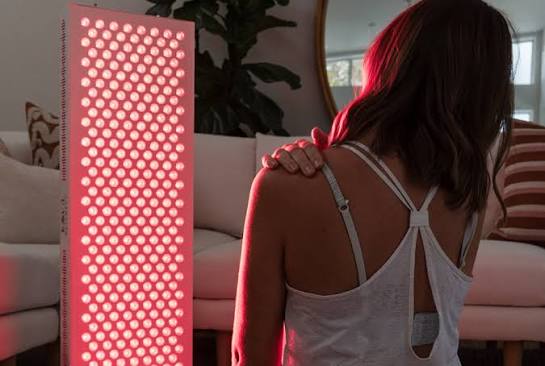
How to Choose a Red Light Therapy Panel for Your Wellness Routine
Selecting a red light therapy panel requires more than just comparing prices or physical size. Effective research considers wavelength range, irradiance, treatment area, controls, safety guidance, and practical setup. A suitable device should fit household habits, provide clear operating instructions, and support consistent sessions. Careful comparison also separates measurable performance from exaggerated claims. Those details help people choose equipment that complements an established wellness routine without creating unnecessary expense or complicated daily preparation.
Compare Available Models
During product research, red light therapy biomax provides one useful comparison point. Its product information lists multiple panel sizes, several wavelength options, individual light controls, preset modes, and varying output levels. These specifications deserve attention because treatment coverage, operating flexibility, and setup time influence regular use. A panel may appear impressive on paper, yet its value depends on whether the configuration suits the intended body areas, room, schedule, and comfort preferences.
Match Wavelengths to Goals
Photobiomodulation equipment commonly combines visible red light with near-infrared wavelengths. Red light generally supports surface-focused applications, while near-infrared bands reach deeper tissue. Buyers should look for exact nanometer ranges instead of broad descriptions. Multiple bands can offer flexibility, although extra settings have limited value if controls remain confusing. Clear specifications allow people to compare similar products and form reasonable expectations about how each device may fit personal wellness goals.
Compare Light Output
Irradiance refers to the power delivered across a measured surface. Product comparisons should include the testing distance, measurement unit, and method used to obtain each figure. A high number without testing conditions offers little practical meaning. Greater output may allow shorter sessions, but excessive intensity can reduce comfort. Reliable instructions should explain positioning, exposure duration, and recommended limits, helping users establish a routine that feels controlled and sustainable.
Review Controls
Daily operation depends heavily on the control system. Separate wavelength switches allow users to adjust sessions for different purposes. Preset programs can simplify selection, while an integrated timer supports repeatable exposure. Remote access, display readability, and saved settings may also improve convenience. Advanced functions should not interfere with basic operation. If the panel requires several steps before each use, people may gradually stop reaching for it.
Consider Mounting
Mounting equipment at a repeatable distance can improve session consistency. A freestanding stand suits flexible spaces, while wall hardware preserves floor area. Adjustable supports may accommodate seated, standing, or targeted treatments. Cables should remain secure, and ventilation openings must stay unobstructed. Before purchase, households should measure the proposed location, the nearby outlet, the ceiling height, and the storage area. A practical arrangement removes small obstacles that can weaken long-term adherence.
Set a Realistic Budget
Price should reflect coverage, specifications, expected service life, and actual household needs. A compact device may suit a single body area, whereas a larger investment could reduce repositioning during longer sessions. Shipping, taxes, stands, and wall hardware can alter the final expense. Comparing total ownership cost gives a clearer picture than reviewing the listed price alone. Payment plans may spread costs, but warranty limits and return deadlines still require close attention.
Check Evidence
Scientific evidence can help clarify what light therapy may reasonably support, although research findings do not guarantee identical outcomes for every person. Strong product information separates measured performance from testimonials and general wellness language. Independent testing, published specifications, and transparent methods deserve greater weight than dramatic promises. Research should also involve comparable wavelengths, exposure levels, and treatment areas. Those distinctions help prevent inaccurate comparisons between laboratory findings and household use.
Verify Safety Information
Safety instructions should cover eye protection, recommended distance, session duration, and relevant contraindications. Anyone using photosensitizing medication or managing a light-sensitive condition should consult a qualified clinician before beginning treatment. Responsible guidance distinguishes wellness support from medical care. Certification marks also warrant verification rather than automatic acceptance. Clear directions help users operate equipment safely, identify potential issues, and seek professional advice when personal health factors require additional caution.
Conclusion
Choosing a panel becomes clearer when technical details are connected to daily behavior. Wavelengths, irradiance, coverage, controls, safety guidance, mounting, and total cost all deserve careful review. Product claims should remain secondary to documented measurements and precise instructions. A sensible purchase supports comfortable sessions, repeatable positioning, and realistic wellness objectives. Reviewing these factors together helps people select equipment that earns regular use, rather than becoming an expensive device left unused.