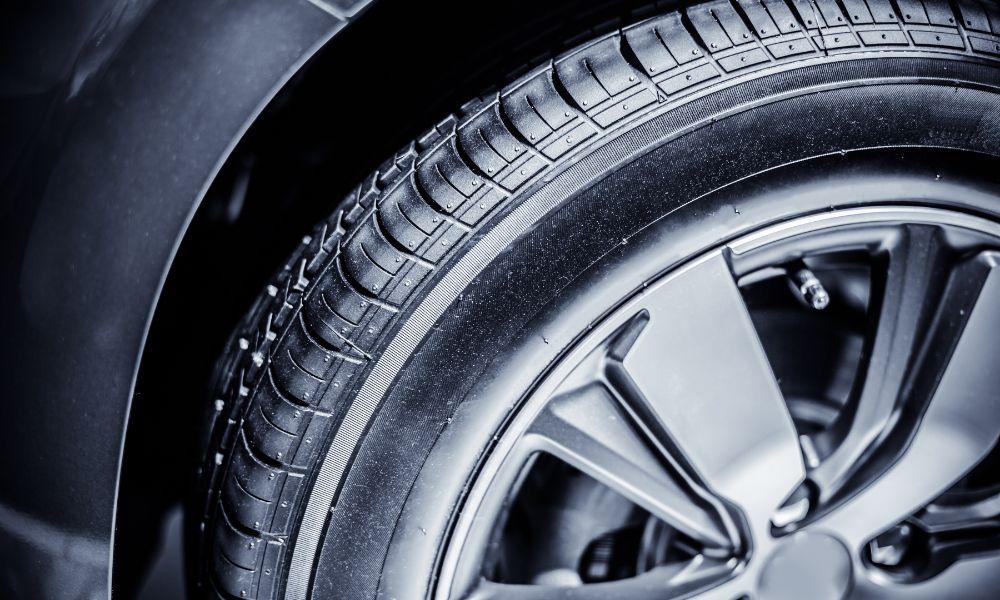
How Tire Size Affects Alignment and Overall Vehicle Performance?
Changing your tires may seem simple, but even slight size changes can impact how your vehicle performs over time. Many people focus on appearance or grip, but few consider the effects on alignment and performance.
For example, switching to 225/65R17 may slightly alter ride height, steering response, and suspension behavior. These changes may seem minor, but over time, they can impact tire wear, fuel efficiency, and driving comfort.
Let’s look at how tire size affects your vehicle.
Understanding What Wheel Alignment Actually Does
Wheel alignment refers to how your tires sit relative to the road and to each other. These settings help ensure your vehicle drives straight, handles smoothly, and avoids uneven tire wear.
There are three main alignment angles:
- Toe – Whether tires point slightly inward or outward
- Camber – The tilt of the tires when viewed from the front
- Caster – The angle of the steering axis when viewed from the side
When these angles are properly adjusted, your tires maintain consistent contact with the road. Even slight misalignment can lead to:
- Uneven tire wear
- Steering pulling to one side
- Reduced fuel efficiency
- Less stable handling
This connection between alignment angles and driving experience brings us to the role tire size plays in the overall equation.
How Tire Size Changes Alignment Geometry?
Switching tire sizes changes how your suspension and steering parts interact with the road. For example, installing 225/65R17 tires instead of a different size can affect:
- Rolling diameter
- Ride height
- Contact patch (the area that touches the road)
- Suspension resting position
These changes directly alter your alignment, even if you don’t touch suspension parts.
Here’s how:
- Larger Tires Raise Ride Height
A taller tire increases the distance between your vehicle and the road. This slightly changes suspension angles and steering geometry. Over time, this can affect toe and camber settings.
- Increase Road Contact & Vehicle Stability
A wider tire tends to spread weight across a larger surface. While this improves grip, it can also increase stress on suspension components and exaggerate alignment angles.
- Smaller Tires Lower the Vehicle
If you switch to a smaller diameter, your vehicle will sit lower. This can reduce ground clearance and alter suspension travel, affecting ride comfort and handling.
Even a half-inch difference in tire diameter shifts alignment angles enough to cause uneven wear.
How 225/65R17 Tires Impact Performance?
The 225/65R17 size is commonly used on SUVs and crossovers. It offers a balanced mix of comfort, stability, and traction. However, like any other tire size, it still influences vehicle behavior.
Here is what you may notice when switching to a wider tire:
- Better Stability: The wider footprint improves road contact and enhances straight-line stability.
- Improved Ride Comfort: The taller sidewall absorbs bumps better, resulting in a smoother ride.
- Slight Steering Changes: Wider tires may make steering feel slightly heavier, especially at low speeds.
- Fuel Economy Differences: Larger tires may slightly reduce fuel efficiency due to increased rolling resistance.
Combined with alignment shifts, these subtle changes directly affect long-term performance.
Signs Your Alignment Is Affected After Changing Tire Size
After installing new tires, keep an eye out for:
- Vehicle pulling to one side
- Uneven tread wear
- Steering wheel not centered
- Increased vibration
- Reduced fuel efficiency
If you notice any of these, have your alignment checked right away.
Why Alignment Matters More After Tire Size Changes?
When you change tire size, your vehicle’s weight distribution and suspension angles shift slightly. Even if everything else remains unchanged, your alignment settings may no longer be optimal.
Professional alignment ensures:
- Tires wear evenly
- Steering remains stable
- Suspension components last longer
- Fuel efficiency stays consistent.
If you skip alignment after installing new tires, you’ll see issues that may worsen over time.
Quick Tips Before Switching to 225/65R17 Tires
If you’re considering a tire size change, keep these points in mind:
- Check manufacturer-recommended tire sizes
- Verify wheel compatibility
- Consider ride height changes
- Schedule alignment after installation
- Monitor tire wear during the first few weeks
These steps prevent long-term problems directly.
Wrapping Up
Changing tire size can improve comfort, traction, and appearance. However, it also affects alignment and overall performance more than many drivers realize.
Whether you’re upgrading to a different tire size or replacing your current tires, alignment should always be a part of the process. A quick alignment check ensures your vehicle handles properly, your tires last longer, and your driving experience stays smooth. Talk to a tire specialist who can help you understand it in depth.