How Scalp Micropigmentation Can Help Restore Everyday Confidence
Hair loss can begin as a small change, perhaps a widening part, thinning crown, or hairline that no longer looks as full as it once did. Over time, those changes can start influencing everyday habits. Some people avoid bright lighting, feel uncomfortable in photographs, or spend extra time arranging hair before leaving the house. For anyone exploring cosmetic options, Scalpmasters can be part of that search for a practical way to create a fuller-looking, more defined scalp appearance. Scalp micropigmentation does not replace natural hair growth, but it can reduce the visual contrast between hair and scalp. For many clients, that change is less about chasing perfection and more about feeling comfortable again when looking in the mirror, meeting friends, going to work, or stepping into situations that once made them self-conscious.
Confidence Can Be Shaped by Small Daily Moments
Hair concerns often appear in ordinary situations. A person may notice the scalp under office lighting, hesitate before joining a group photograph, or keep checking a reflection in a shop window.
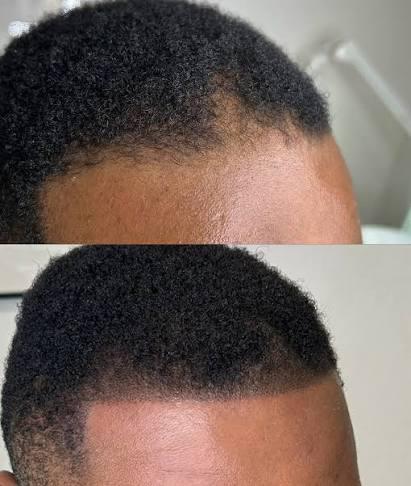
Scalp micropigmentation may help by creating the appearance of tiny hair follicles across areas where the scalp is more visible. When carefully designed, the result can make thinning areas look more even and intentional. That can reduce the mental energy spent trying to conceal changes every day.
A Natural Result Starts With Careful Design
One of the biggest concerns before treatment is whether the result will look obvious. Scalp micropigmentation works best when pigment tone, density, placement, and hairline are planned around the individual rather than copied from a standard template.
A natural-looking hairline should suit facial features, age, existing hair, and personal preferences. Some clients want a sharper appearance, while others prefer a softer edge. Density matters too. Adding too much pigment can look heavy, while careful layering can create a more believable visual balance.
The aim is not to create a painted surface, but to imitate closely cropped follicles or reduce scalp visibility in thinning areas.
Low-Maintenance Appeal Can Reduce Daily Fuss
For people who use concealing fibres, sprays, hats, or complicated styling techniques, scalp micropigmentation can offer a different routine. Once treatment has healed, the appearance does not need to be recreated from scratch every morning.
That low-maintenance quality can appeal to busy people, frequent travellers, gym-goers, or anyone wanting fewer steps before leaving home. It can also suit people who prefer a closely shaved style and want the hairline to look more defined.
Pigment can gradually soften over time, and sun exposure, skin type, aftercare, and lifestyle can influence how the treatment ages. Touch-ups may eventually be needed.
Different Hair Loss Patterns Need Different Approaches
Not everyone seeking scalp micropigmentation has the same concern. One person may have a receding hairline, another diffuse thinning across the top, and someone else may want to soften the appearance of a scar.
That is why treatment planning should be individual. A practitioner may work around existing follicles, adjust pigment density between areas, or create a gradual transition where natural hair remains thicker. For scars, skin texture and colour may also affect pigment placement.
A careful assessment can help determine what kind of visual improvement is realistic. Scalp micropigmentation is a cosmetic treatment, not a cure for hair loss, and understanding that distinction supports sensible expectations.
Feeling More Comfortable in Photos and Social Settings
Photographs can be surprisingly emotional when someone feels self-conscious about hair loss. Camera flashes, overhead lights, and certain angles can make thinning areas appear more noticeable. That can lead to avoiding pictures or constantly trying to position the head a certain way.
A fuller-looking scalp appearance may help reduce some of that self-monitoring. The same can apply to social situations. Instead of wondering whether someone has noticed a thinning area, a person may feel freer to focus on the conversation or simply enjoy the day.
Confidence comes from many places and no cosmetic treatment can create it on its own. What a treatment can sometimes do is remove one persistent source of distraction, giving the person more room to feel like themselves.
The Consultation Should Feel Informative, Not Rushed
A good consultation is not only about choosing a hairline. It should also give clients a chance to ask practical questions about healing, aftercare, pigment changes, treatment sessions, and future maintenance.
It is useful to discuss the desired result, but equally important to talk about what is achievable. Skin tone, scalp condition, existing hair, previous procedures, and hair loss pattern can influence the treatment plan.
Clients may also want to see examples of healed work, not only freshly completed treatments. Healed results can offer a better sense of how pigment settles over time. Clear information helps people decide without feeling pressured.
Realistic Expectations Create Better Satisfaction
Scalp micropigmentation can make a meaningful cosmetic difference, but realistic expectations matter. It will not create physical hair strands or stop future hair loss. What it can do is create the visual impression of density, define a hairline, or reduce contrast in selected areas.
For some people, that improvement is enough to change how they feel about everyday grooming and appearance. Others may combine it with a haircut or styling choice that makes the overall effect feel more natural.
The most satisfying results often come from choosing a look that suits the person rather than chasing an unrealistic version of how their hair appeared years ago.
Confidence Can Return in Practical, Everyday Ways
The most meaningful changes after a cosmetic treatment are not always dramatic. Sometimes they show up in simple routines. Getting ready may take less time. A bright room may feel less uncomfortable. Photos may stop becoming something to avoid. A morning glance in the mirror may feel less critical.
That is where scalp micropigmentation can have value beyond appearance. By creating a more consistent, fuller-looking scalp, it may help reduce the daily attention placed on thinning hair. The result can feel practical, personal, and easy to live with.
For anyone considering treatment, an informed consultation with a trained practitioner can help clarify the process and what is realistic for the individual scalp and hair pattern. Confidence cannot be guaranteed by any cosmetic procedure, but when the result looks natural and suits the person, everyday life can feel easier, less self-conscious, and more comfortable.